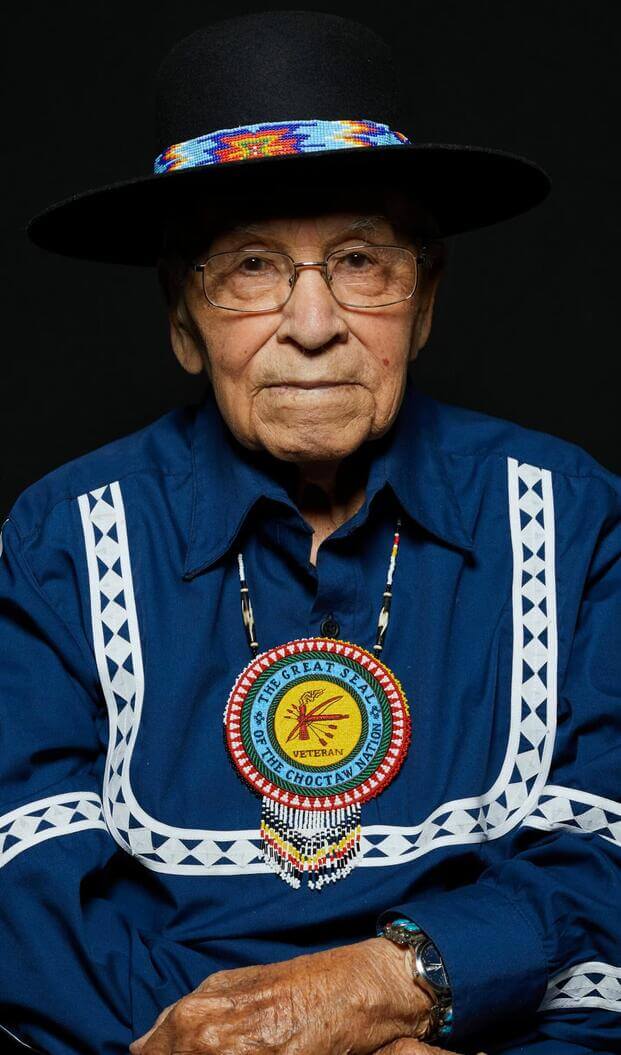
In a world where veterans from World War II are becoming increasingly scarce, the passing of Gilbert “Choc” Charleston marks the end of an era. At the age of 101, Charleston, a distinguished Native American veteran and the last living member of his unit, died on Thanksgiving night. His death was confirmed by the Choctaw Nation, to which he belonged.
Charleston was among the approximately 45,000 remaining U.S. veterans of World War II, according to figures from the National WWII Museum. In one of his last interviews, he recounted his life story to CBS News Texas in November, just weeks before he would have turned 102 on December 24.
Origin of the Nickname “Choc”
Charleston’s nickname, “Choc,” was given to him shortly after his birth in 1923. A visitor humorously noted the infant Charleston sleeping in a dresser drawer, commenting, “Well, looks like we got another ‘Choc.’” Charleston embraced his Choctaw heritage and carried the nickname with pride into his military service as a tank operator with the 739th Tank Battalion.
“We slept in the tank. We rarely got hot food,” Charleston recounted. “I prefer not to be shot at, but it didn’t work out that way.”
Memories of the Battle of the Bulge
Charleston was a survivor of the notorious Battle of the Bulge, enduring the harsh winter of 1944-45. He shared, “Many men lost their feet that were in the infantry because of the snow and the cold. We were fortunate enough in the tank not to lose our feet, but it was still 20 degrees below.”
In 2024, Charleston returned to Belgium to commemorate the battle’s 80th anniversary and reunited with fellow soldiers. He described meeting the king and queen of Belgium as a fitting closure to his military service.
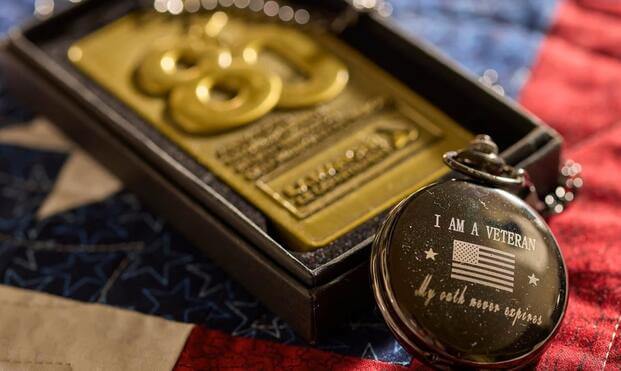
Legacy of Service
Choctaw Assistant Chief Jack Austin highlighted the longstanding tradition of Native Americans serving in the U.S. military, noting their participation even before being recognized as U.S. citizens. “They were proud to be fighting for something, and we’ve always stood by our country,” he said.
“It’s a way of saying, ‘Yakoke.’ Thank you to all veterans for their service because at some point in time in their life, they sign that check that was payable with their life,” stated Austin.
Charleston made it a priority to honor fellow veterans, particularly those from his unit. He expressed his gratitude in a pre-Veterans Day message: “Happy Veterans Day today and especially to those that were in the Pacific and European battles.”
His philosophy for a long life included staying active and healthy, avoiding smoking and drinking, and playing golf regularly. Charleston’s memory will continue to inspire future generations, as noted by Austin, who emphasized his enduring impact on the Choctaw Nation.