In Knoxville, Tennessee, a heartfelt homage to World War II veterans has been preserved for years at Central High School. Two banners, adorned with 49 stars, honor the young graduates who sacrificed their lives in one of history’s most devastating conflicts. Each star bears the name of an alumnus who died fighting for freedom.
Uncovering Past Lives
Russell Bazemore, the Junior Reserve Officers’ Training Corps (JROTC) instructor and retired Navy captain at Central, often pondered the stories behind these names. Hanging at the back of his classroom, the banners sparked curiosity about the lives these young men led before heading into battle. Bazemore saw an opportunity for a unique history project for his students.
“Let’s find out something about what they did in World War II,” Bazemore told WBIR Channel 10 News in Knoxville.
As students delved into their research, they were struck by the realization that many soldiers were not much older than they are now. Isabella Glass, a 15-year-old student aspiring to become a military aviator, reflected on the brevity of the soldiers’ lives and the dreams they might have had.
“It’s kind of crazy to me to know that these people, like, were just so young when they went through this, and they still had so much life to live,” Glass remarked.
Heroes of Major Battles
The investigation revealed that many of the “Central 49” participated in crucial battles across the Pacific and European fronts, such as D-Day, the Battle of Midway, Iwo Jima, and Pearl Harbor. Notably, Robert Bobby Mills, a state golf champion in 1944, landed at Omaha Beach during the Normandy invasion.
“Robert Bobby Mills — he was a state golf champion in 1944. … He landed at Omaha Beach,” said Noah Keesee, company commander of the JROTC class.
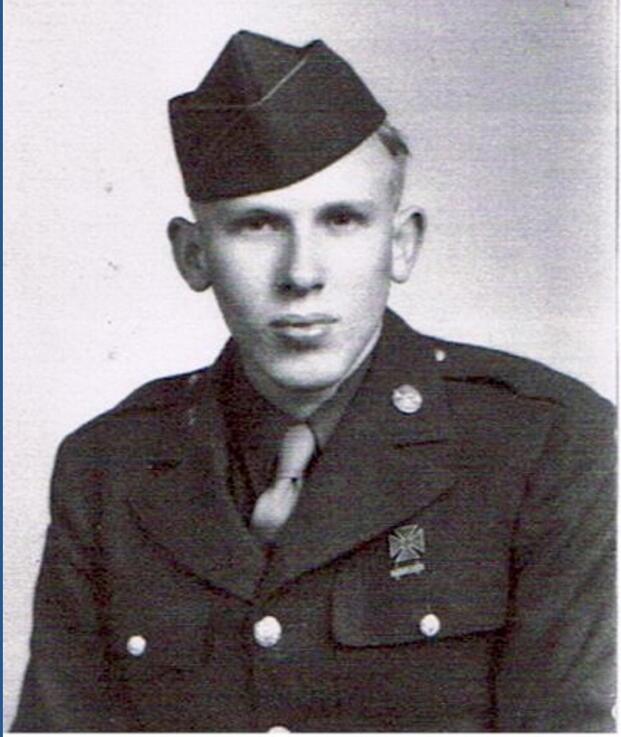
Pfc. Mills was killed in Germany on April 18, 1945, while serving in the Ninth Army infantry. During their research, the cadets also found a yearbook photo of Gaylon Wilson, a Navy veteran who witnessed Japan’s surrender aboard the USS Missouri on September 2, 1945, marking the end of World War II. Although not among the 49, Wilson’s story added another layer to their project.
Bazemore arranged for his students to meet Wilson, who lives nearby and recently turned 100. The encounter allowed the students to engage directly with living history.
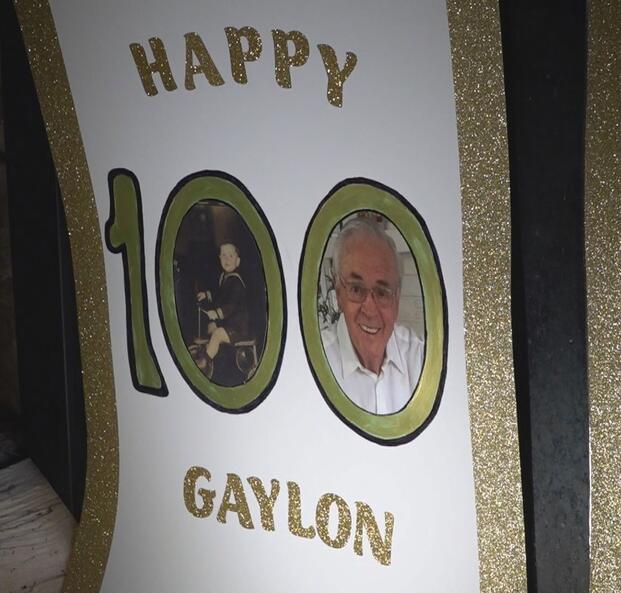
“What ran through your mind when you witnessed the Japanese surrender?” a student inquired.
“Glory, glory Hallelujah, I’m going back to Coker Avenue (in Knoxville),” Wilson replied. “I was ready to come home.”
Life After Conflict
Returning to Knoxville, Wilson attended the University of Tennessee, where he played football under coach Robert Neyland, a retired brigadier general. Neyland’s legacy endures at the university, with the football stadium named in his honor.
“I would describe Coach Neyland as the finest man I’ve ever known,” Wilson shared.
The cadets were awestruck by Wilson’s firsthand accounts of history, recognizing the significance of his experiences.
“He witnessed the end of one of the worst wars in human history, and that’s just something … astounding,” noted JROTC Executive Officer Aden Hirsch.
Bazemore expressed pride in his students’ dedication to uncovering the past, turning a simple curiosity into an enriching educational journey.
“I am extremely proud to be at a school that has supported the military over the decades, like Central High School,” Bazemore said.