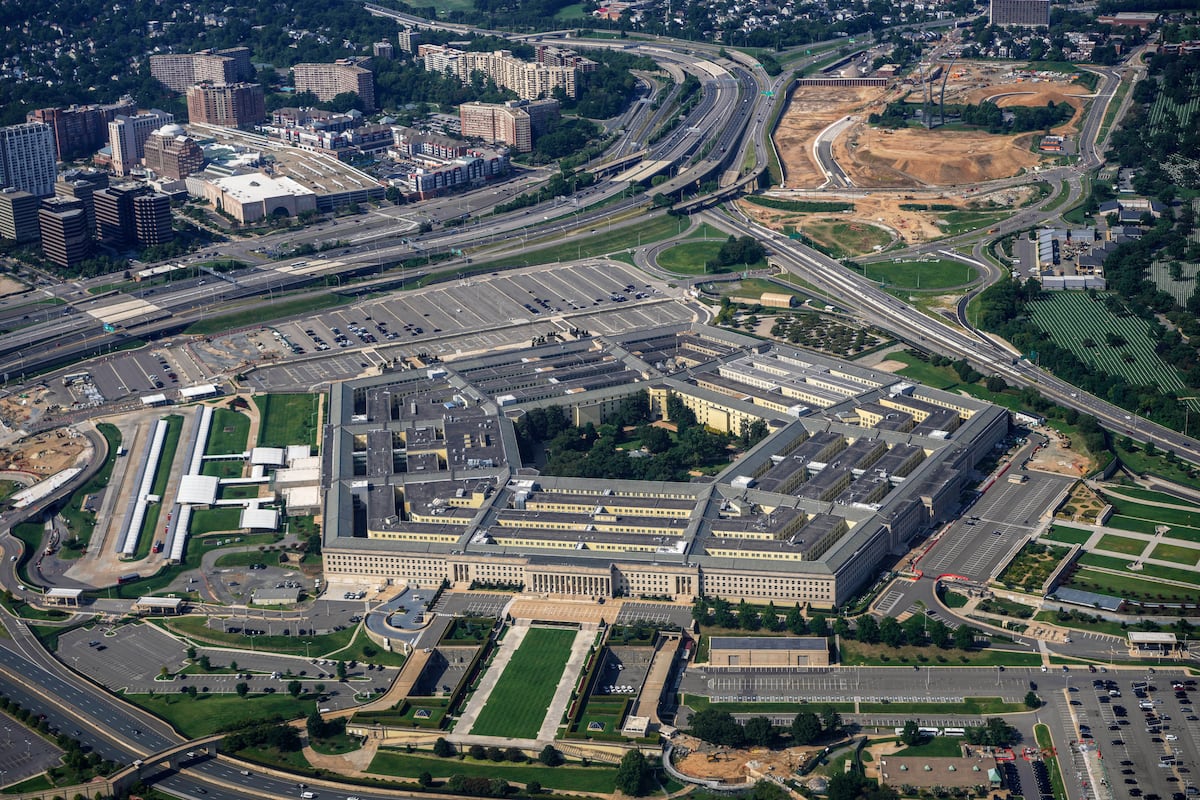
In a significant boost to defense financing, Congress is poised to approve a National Defense Authorization Act (NDAA) for fiscal year 2026 that authorizes $900.6 billion in discretionary spending. This allocation exceeds the Pentagon’s earlier budget request by $8 billion, underscoring the nation’s commitment to strategic military enhancements.
The NDAA proposal, unveiled by lawmakers, designates $162 billion specifically for procurement and $146 billion for research, development, testing, and evaluation. It also allocates $291 billion for operations and maintenance, alongside $234 billion for military personnel and health care expenses.
This policy bill supports several key initiatives of President Donald Trump, including the expansive Golden Dome missile defense system, next-gen fighters such as the Air Force’s F-47 and Navy’s F/A-XX, and the B-21 Raider stealth bomber. The plan also emphasizes Air Force drone collaborations, submarines, and various naval vessels. Notably, however, it does not propose renaming the Defense Department to the War Department, a change favored by Trump and Defense Secretary Pete Hegseth.
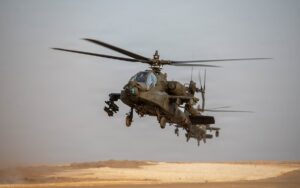
The NDAA authorizes over $38 billion for the modernization and acquisition of aircraft across the armed services. Additionally, it includes $26 billion for shipbuilding, which will support the construction of a third Columbia-class ballistic missile submarine, a Virginia-class submarine, and advanced procurement for future submarine classes and destroyers.
Furthermore, the act proposes more than $25 billion to replenish the nation’s munitions supplies, including precision strike missiles, Javelins, Stingers, and Tomahawks, among others. Another significant investment involves the purchase of 47 F-35 Joint Strike Fighters for the Air Force, Navy, and Marine Corps, aligning with the Pentagon’s summer budget plan but marking a decrease from the previous year’s purchase.
According to a House Armed Services Committee report, the focus is shifting towards sustaining and improving the F-35 fleet. Congress supports this strategy, emphasizing the readiness of these jets to “fight tonight.” The bill mandates a buildup of spare F-35 parts to ensure a 90-day supply by September 2028 and continues to require annual evaluations of the F-35 program by the Government Accountability Office.
The NDAA also shields the E-7 Wedgetail airborne battle management program from cancellation, despite skepticism from Defense Secretary Hegseth. It prevents the Pentagon from terminating Boeing’s prototype contract or halting production of this jet, which is already operational in Australia.
The legislation obliges the Air Force to maintain a fleet of at least 103 A-10 Warthogs until September 2026, with a detailed retirement and replacement plan to be submitted by the following March. The bill also allocates nearly $2.6 billion for the Air Force’s next-generation F-47 fighter, requiring a comprehensive report on its development and deployment strategy by March 2027.
Moreover, the Air Force must provide a plan to extend the life of its Minuteman III ICBMs until the new LGM-35A Sentinel nuclear missile becomes fully operational. The NDAA restricts the reduction of the ICBM arsenal below 400 units and mandates the operational status of at least 450 launch silos.
Lastly, the act limits the acceptance of KC-46A Pegasus tankers until the Air Force addresses all significant deficiencies, ensuring the tanker fleet meets operational requirements.