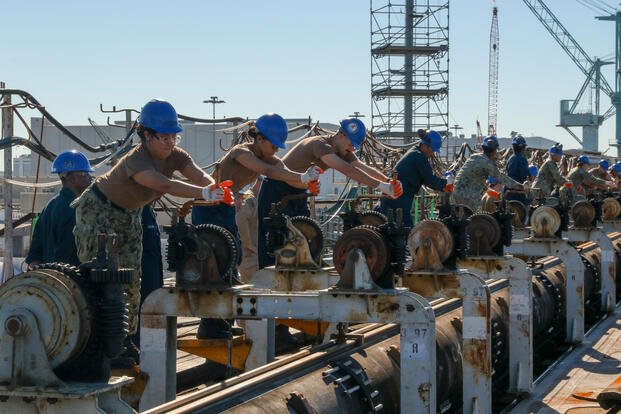
The U.S. Navy is embarking on a significant transformation in shipbuilding, fueled by a hefty $448 million investment in artificial intelligence and autonomy technologies. This initiative, in collaboration with Palantir, aims to streamline operations and enhance productivity in this crucial sector.
Announced Tuesday, the Shipbuilding Operating System (Ship OS) initiative, managed by the Maritime Industrial Base (MIB) Program and Naval Sea Systems Command (NAVSEA), will leverage data from multiple sources. By aggregating data from enterprise systems and legacy databases, the initiative seeks to identify bottlenecks and streamline workflows in shipbuilding processes. This data-driven approach is expected to result in faster, more informed decision-making.
Initially, the focus will be on the Submarine Industrial Base, with plans to systematically expand to surface ship programs. Officials indicate that lessons learned from the initial phase will guide future expansions and adaptations.
According to Secretary of the Navy John Phelan, the investment aims to modernize operations across shipbuilders, shipyards, and suppliers. Phelan commented, “By enabling industry to adopt AI and autonomy tools at scale, we’re helping the shipbuilding industry improve schedules, increase capacity, and reduce costs. This is about doing business smarter and building the industrial capability our Navy and nation require.” Palantir CEO Alex Karp joined Phelan at the announcement.
Pilot Deployments and Future Plans
The Navy plans to implement Ship OS using Palantir’s commercial software, benefiting from $2.5 billion in previous investments in AI and data integration technologies. This approach allows for integration with existing shipyard and supplier systems, enhancing production performance without starting from scratch.

“Ship OS is designed as an integrative capability, not a replacement for the tools already used across the industrial base,” a Navy spokesperson explained. The system will aggregate data to provide a unified view of production performance, with plans to incorporate additional AI and automation technologies as needed.
Earlier pilot deployments at General Dynamics Electric Boat and Portsmouth Naval Shipyard showed marked improvements in planning and material review timelines, prompting confidence in the system’s potential.
AI’s Role in Modern Warfare
The Navy’s initiative is part of a broader push by the U.S. military to utilize AI more aggressively. The Department of Defense is also deploying GenAI.mil, a secure AI platform for handling controlled unclassified information across its ranks.
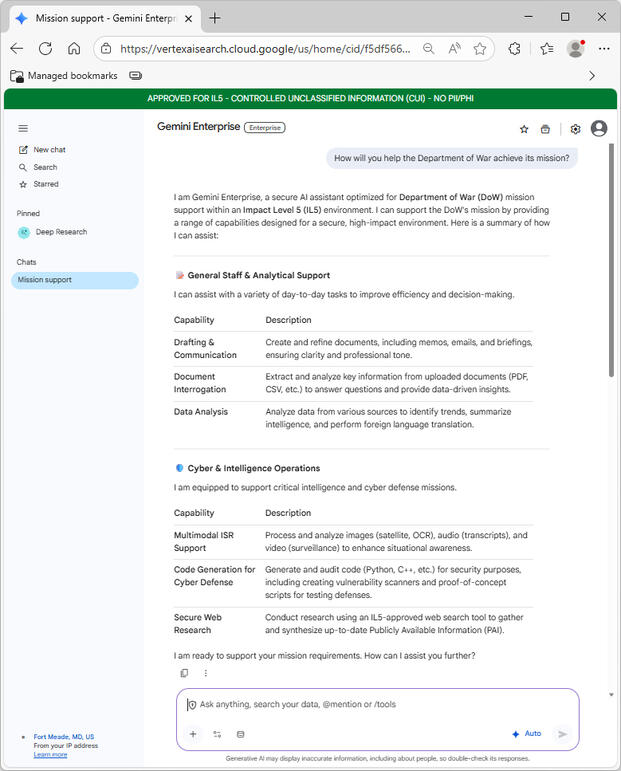
Defense Secretary Pete Hegseth emphasized the importance of AI, stating, “The future of American warfare is here, and it’s spelled A-I.” Access to the GenAI.mil platform is restricted to personnel with proper credentials.
Future Expansion
Plans for the Ship OS initiative include a prioritized list of up to 100 critical suppliers for early deployment phases. The aim is to expand systematically to other shipbuilders and suppliers by 2026, using insights from initial deployments to guide the process.