Expansion of Militarized Zone along California Border Sparks Questions
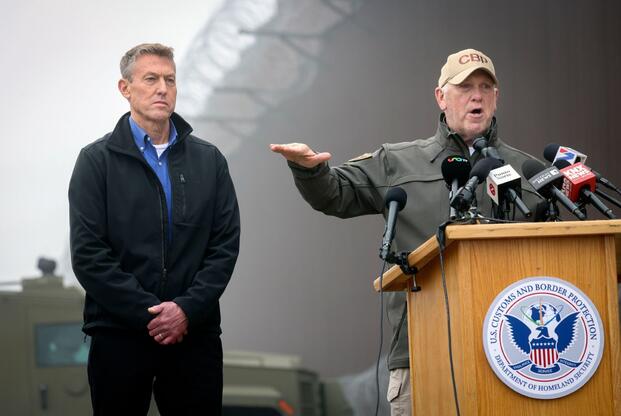
The Trump administration’s recent decision to extend militarized zones into California has raised questions about the future of border security. Officials, including “border czar” Tom Homan and U.S. Customs and Border Protection Commissioner Rodney Scott, visited San Diego to assess the situation, yet left many specifics undisclosed.
A shift in jurisdiction over approximately 740 acres of land in San Diego and Imperial counties to the Department of the Navy was announced by the Department of the Interior. This area, now designated as a National Defense Area (NDA), will serve as a restricted military zone.
The newly designated zone stretches from the Otay Mountain Wilderness Area’s western boundary in San Diego County to about a mile west of the California-Arizona border. This includes regions near Tecate and Jacumba Hot Springs, highlighted as high-traffic areas for illegal crossings.
Military personnel within this area will have the authority to detain individuals for trespassing and transfer them to border agencies. Commissioner Scott explained, “We’ve always had the Department of Defense on the border, but when they’re on their own property, they have increased authorities and responsibilities to actually arrest for trespass just like they would on any other military base.”
Details on the operations and the number of troops to be deployed remain vague. Scott stated, “The numbers will change depending on what we believe the threat and the requirement is to make sure that we have that section of the border sealed.”
Despite inquiries, further specifics from the Navy and Marines regarding the management of this militarized zone were not provided. Scott assured that necessary support from the Department of War would be requested to ensure safety across San Diego and the nation.
In other southwestern border areas, unauthorized entry signs have been displayed, and federal prosecutors have charged migrants with military base trespass laws, which could result in a six-month prison term in addition to other charges.
The timeline for establishing the defense area in the eastern San Diego sector and the El Centro sector remains uncertain. While troops, including Marines from Camp Pendleton, have been involved in support roles, they have primarily provided engineering assistance and installed concertina wire along border fences.
Both Homan and Scott noted a significant decline in illegal border crossings in the past year, with CBP data indicating a 93% drop in migrant encounters in the San Diego sector in October compared to the previous year.
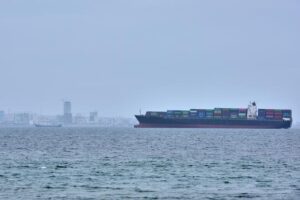
Homan highlighted the collaboration with the Navy and U.S. Coast Guard in maritime operations, acknowledging, “When we lock the border down, (we knew) they’re gonna take to the water.” The 2025 fiscal year reported 490 maritime smuggling events, resulting in 1,526 apprehensions.
Operations by Immigration and Customs Enforcement and the Border Patrol were also discussed. San Diego Border Patrol Chief Justin De La Torre mentioned that the border security shift has allowed agents to patrol more proactively within the interior.
Homan further emphasized, “We’re in a position now where the Border Patrol can actually come to the interior because the border is the most secure ever.” He concluded that stringent enforcement has effectively reduced illegal crossings.
Staff writer Gary Robbins contributed to this report.
©2025 The San Diego Union-Tribune. Visit sandiegouniontribune.com. Distributed by Tribune Content Agency, LLC.
© Copyright 2025 The San Diego Union-Tribune. All rights reserved. This material may not be published, broadcast, rewritten, or redistributed.