The holiday season, often celebrated as a time of joy and togetherness, can also bring about significant challenges for many veterans. From Thanksgiving to New Year’s Day, feelings of loneliness and anxiety can intensify for those who have served. Yet, there are organizations dedicated to providing solace and support during these times.
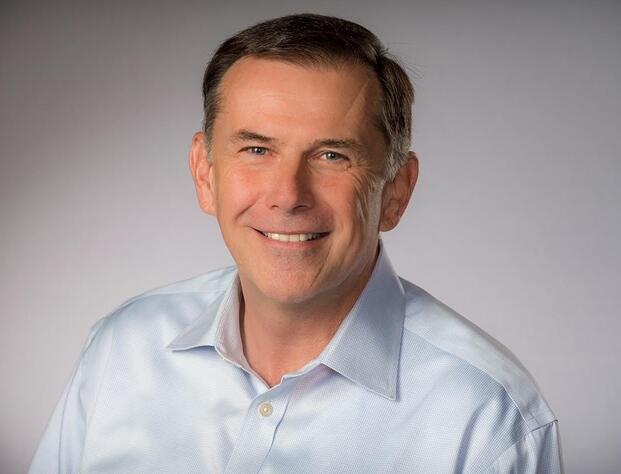
Jim Whaley, the CEO of Mission Roll Call, leads efforts in advocating for veterans through comprehensive research, community polling, and the sharing of personal stories. This nonprofit organization not only connects veterans with each other but also links them to various support networks.
Whaley, who served 20 years in the Army and experienced his own share of holidays away from home, underscores the importance of community among veterans. “Reach out to a fellow veteran, reach out to a friend,” Whaley advised in an interview with Military.com. “If you’re thinking about somebody, get involved. We share a number of veteran support organizations you can plug into in your area.”
According to a recent nationwide survey by Mission Roll Call, 43 percent of veterans experience severe increases in PTSD during the holidays. Mental health challenges often lead to a spike in suicides during the season.
Financial Burden During Holidays
Financial difficulties compound the emotional strain many veterans face during the holidays. The prevalence of food insecurity highlights this struggle, with Whaley noting that 1 in 5 veterans faces this challenge.
“I use that term ‘food insecurity,’ but actually that’s financial insecurity,” Whaley explained. “If you can’t buy food, it’s because you don’t have money.”
While military service offers numerous benefits, it doesn’t always provide a financial safety net. Many veterans transition to civilian life without substantial savings, which can lead to financial instability.
“One in five with food insecurity – that’s pretty alarming,” Whaley said. “I think most Americans feel that is something that needs to be fixed. We shouldn’t have one in four veterans struggling to find food or not knowing where their next meal is going to be.”
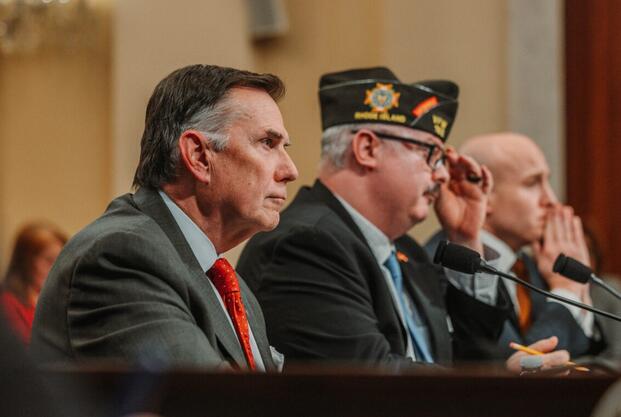
Veterans often face challenges in civilian job markets, struggling to find roles that provide the sense of purpose and community they experienced in the military.
“They want to be part of something bigger than themselves, and that sometimes is the challenge during the transition process,” Whaley said. “They’re in a unit that’s very important, and then they go to a job that they feel is not very important, or certainly not as high-speed as what they were doing in the military.”
Suicides and Homelessness
Mission Roll Call is actively working to obtain more accurate data on veteran homelessness and suicides. Current methods, like the one-day tally by the Department of Veterans Affairs and the Department of Housing and Urban Development, may not fully capture the scope of the issue.
“That doesn’t take into account a lot of rural areas and misses a lot of people that they may not have seen,” Whaley said. “It also doesn’t consider people who are, in some cases, living on a neighbor’s couch or a friend’s couch. And some states don’t consider if you’re living in a tent or a car as ‘homeless.’ I don’t know about you, but if I’m living in a tent, I’m homeless.”
He pointed out that California, which has a significant homeless population, does not participate in this annual survey.
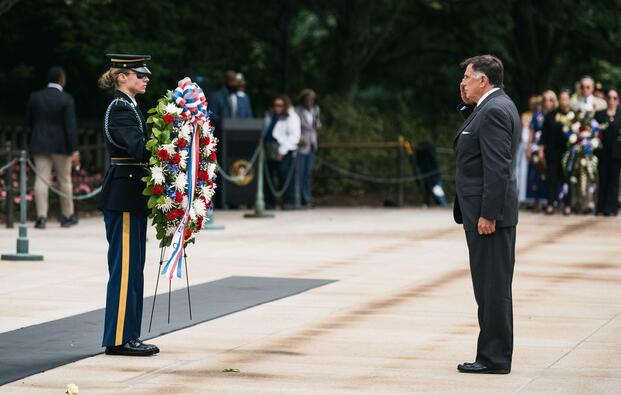
Mission Roll Call Works to Close the Gap
With less than 1 percent of the U.S. population being veterans, a disconnect often exists between civilians and those who have served. Mission Roll Call aims to bridge this gap by sharing veterans’ stories and insights with decision-makers and the public.
“We’re trying to make that connection through stories, through content development, through sharing our information and our research in a way that can help decision makers at every level make good decisions, and get bills passed that need to get passed,” Whaley shared.
By polling veterans and their families, Mission Roll Call gathers data to inform local, state, and national leaders about the needs and challenges facing this community.
“We’re apolitical. We don’t choose a side, we just listen to what veterans say,” Whaley said. “But at the same time, we don’t filter it. We don’t say, ‘Well, we think they meant this.’”
Empowering veterans by ensuring their voices are heard could lead to meaningful change, enhancing the lives of those who have served.