In a significant move that could reshape naval warfare, the U.S. Navy has unveiled plans for a new class of large warships, known as the Trump-class battleships. Announced in December 2025, this marks the first time in years that the Navy has considered the battleship designation for future vessels, indicating a strategic pivot in fleet composition and surface firepower.
During the White House announcement, President Donald J. Trump, alongside top Navy and Defense Department officials, emphasized that these ships are part of a long-term strategy to bolster U.S. maritime power. The initiative is seen as a response to escalating global maritime competition, focusing on enhancing the lethality of surface combatants.
Navy’s Official Statements
According to official releases, the inaugural ship of this new class will be named USS Defiant. It is envisioned as a heavily armed vessel with superior long-range strike capabilities, surpassing current destroyers and cruisers. However, the Navy has yet to reveal specific details such as its design specifications, costs, or a precise timeline for acquisition.
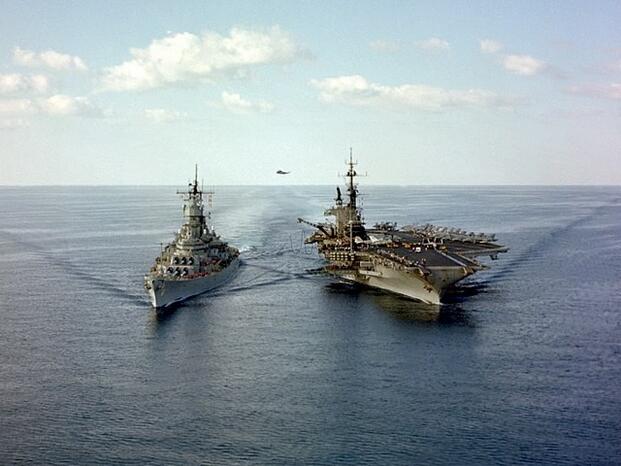
The Navy has confirmed that the battleship will feature cutting-edge weapons and sensor systems, capable of integrating seamlessly with carrier strike groups and other naval formations. The emphasis is on firepower, durability, and expansive ammunition storage, which are expected to define this new class.
Comparing Current and Future Fleets
The existing surface fleet primarily consists of Arleigh Burke-class destroyers and Ticonderoga-class cruisers, designed for multi-mission roles including air defense and anti-submarine warfare. However, their missile capacity and size are limited compared to the proposed battleships.
The new battleship concept, which you can learn more about here, centers on sustained offensive capabilities. Its larger hull is expected to accommodate more vertical launch cells and enhance survivability and command facilities, particularly in high-missile-expenditure scenarios.
Reviving the Battleship Designation
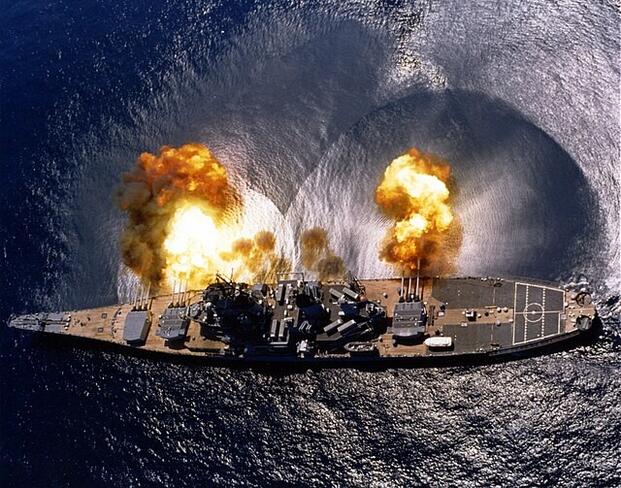
The last time the U.S. Navy operated battleships was during the Cold War, with the Iowa-class ships, which were decommissioned in the early 1990s. These ships featured heavy armor and large-caliber guns, later modified to carry cruise missiles.
Unlike their armored predecessors, the modern battleship design emphasizes missile capacity, advanced sensors, and networked warfare. The renewed use of “battleship” is symbolic, representing a commitment to robust surface firepower over traditional armor and artillery.
Unresolved Details
Key questions remain unanswered, such as the number of ships to be built, their construction locations, and funding strategies. Initial plans suggest a batch of ten, with potential expansion to 20-25 units. However, experts caution that introducing such large vessels may strain the U.S. shipbuilding industry, already busy with aircraft carriers, submarines, and destroyers.
Strategic Implications
The new battleships are not meant to replace carriers or submarines but to enhance U.S. naval capabilities in contested waters. This initiative fits within the broader strategy to expand the fleet and focus on high-end conflict readiness, shifting away from counterinsurgency missions.
Naming Conventions and Traditions
U.S. Navy ship-naming conventions typically honor geographic locations, historical battles, or deceased individuals. Naming a vessel after a living person is rare but not unprecedented. President Trump acknowledged this departure by stating that the ships would be “the best, the biggest, and the most powerful ships ever built,” a testament to the symbolic significance of the naming decision.
Significance of the Initiative
If realized, the Trump-class battleship program could represent a major shift in U.S. naval design philosophy. It signals a readiness to invest in specialized large combatants, contrasting with the current emphasis on versatility. However, the initiative remains in the early stages, with many details yet to be clarified. The future of this program will depend on congressional approval, industry capacity, and subsequent administrative support.
“`