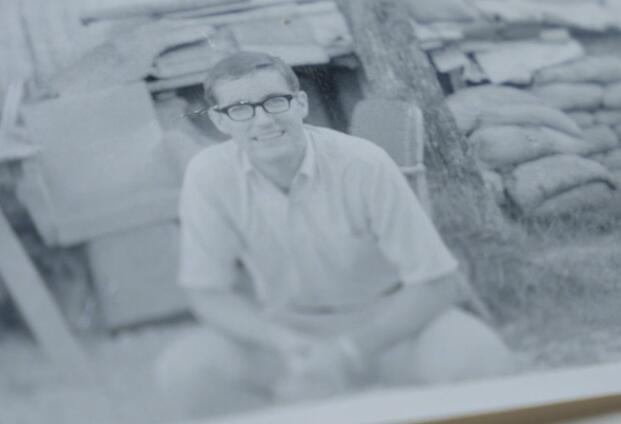
Nearly six decades have passed since Robert Hendricks was thrust into the chaos of the Vietnam War, yet the vivid recollections of those days remain etched in his memory. As a young man drafted into the Army in 1967, Hendricks found himself on the frontlines of one of the war’s most infamous battles, the Tet Offensive.
Hendricks, after basic training at Fort Ord, California, and military intelligence school in Baltimore, was sent directly to Vietnam. “I think everyone who was graduating knew exactly where we were going,” Hendricks shared with Central Oregon Daily News. Assigned to Soc Trang in the Mekong Delta, his unit collaborated with the Army of the Republic of Vietnam and the Vietnamese Marine Corps to gather intelligence on enemy movements.
Experiencing the Tet Offensive
The night of January 31, 1968, marked the beginning of the Tet Offensive. As Hendricks and another soldier sheltered in a small blockhouse, they witnessed the North Vietnamese launch a major assault across South Vietnam. “We began to creak open the front door, and you could see tracers going back and forth,” Hendricks described. The eerie silence that followed at dawn was unsettling, as they awaited the signal to move to the airbase.
The U.S. Air Force’s intervention to clear the way with F-100 Super Sabres left a lasting impact on him. “I had never seen napalm in my life, and I never want to see it again,” Hendricks remarked. The scene he later encountered, walking through the aftermath, was unlike anything he had ever seen: “You saw some bodies that were still smoking, and you had no clue if they were Viet Cong or if they were simply civilians.”
Reflections on War
Witnessing the devastation of napalm firsthand, Hendricks grappled with the mental toll it took on him. “It occurred to me that one body lying there—that was somebody’s father, somebody’s brother, somebody’s son,” he reflected. Despite the war’s harsh realities, Hendricks maintained his empathy for others, recognizing the shared humanity of both soldiers and civilians.
“In one sense, I appreciated that experience, however dreadful it was—a real education in foreign affairs and human affairs,” Hendricks said.