The year 2025 marked a significant shift for the U.S. Army as it embraced new missions and a focus on modernization, highlighted by a remarkable increase in recruitment numbers. This transformation has been seen as a response to the evolving global landscape and the need to prepare for broader challenges.
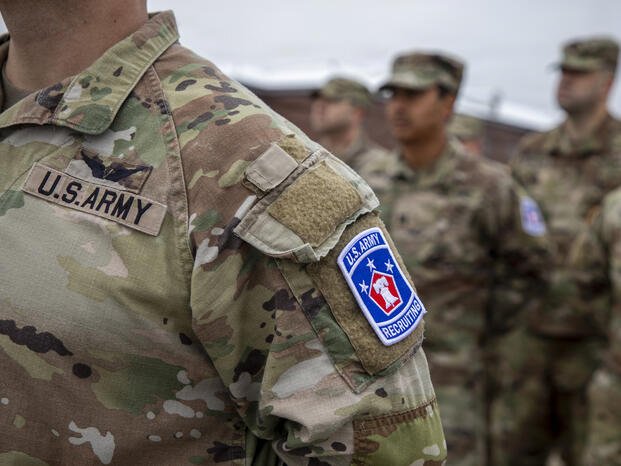
Celebrating its 250th anniversary, the Army reached its annual recruiting goal of 61,000 active-duty members well ahead of schedule, a milestone that service leaders described as a “turning point” from previous years of recruitment shortfalls. This success is attributed to enhanced preparation programs, attractive bonuses, and innovative marketing strategies. The Army reached its active-duty recruiting goal months early, which serves as evidence that these revamped strategies are effective.
Early in the year, the Army had secured about half of its recruitment target, setting a promising pace compared to previous cycles that often required urgent interventions. By April, the Army had achieved approximately 85% of its annual goal, reinforcing the impact of the new recruitment strategies.
However, internal data suggests potential challenges remain. Nearly 25% of soldiers recruited since 2022 have left the service within their first two years, highlighting issues such as training difficulties and family pressures, which may lead to early attrition.
Other persistent concerns for Army families include healthcare, housing, childcare, and spouse employment, which influence decisions to continue service. Despite recruitment successes, surveys indicate that only about one-third of military families would recommend service to their children, emphasizing the importance of support programs.
Adapting to New Challenges
The Army’s 2025 narrative is one of adaptation, with personnel initiatives closely tied to readiness and soldier experience. Efforts to modernize and improve quality of life are seen as ongoing, not completed, as the Army aims to prepare for potential high-intensity conflicts with peer adversaries.
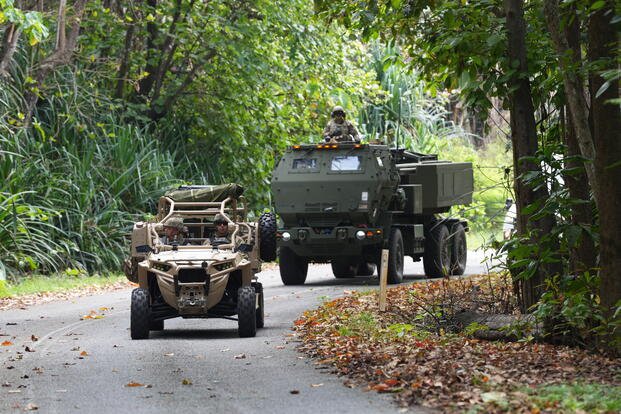
Exercises like Talisman Sabre involved about 35,000 troops from 19 nations, conducting high-intensity drills in Australia, potentially drawing attention from China as U.S. forces integrate with allies. Reserve units faced challenges in stateside events like Mojave Falcon, focusing on large-scale combat operations.
Artificial intelligence and data tools are playing a growing role in targeting and decision-making, as new systems gather information from various sources, necessitating vigilance in identifying threats.
Ensuring soldier readiness and experience remains a priority, with multinational exercises and modernization efforts key to preparing for potential crises globally. Continued success in recruiting and modernization relies on sustained resources and effective supply chains. Clear authority and oversight are essential for understanding the boundaries of domestic support and warfighting commitments.