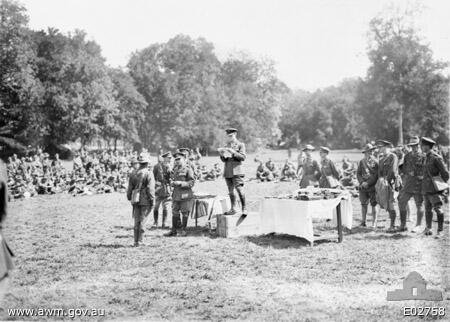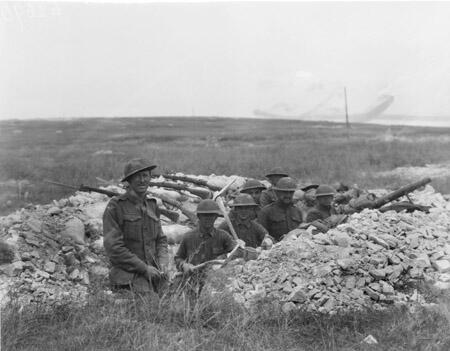
In the early hours of July 4, 1918, history was made as American soldiers emerged from their trenches in northern France. These soldiers, mainly inexperienced in combat, joined forces with seasoned Australian troops under the leadership of an Australian general. This operation marked the first time U.S. soldiers fought under foreign command, resulting in a significant victory and a lasting alliance with Australia.
Breaking New Ground
The Battle of Hamel was a pivotal moment in World War I, showcasing innovative military tactics. American troops from the 33rd Division teamed up with Australian and British forces for a meticulously orchestrated attack, integrating infantry, tanks, artillery, and aircraft like never before. This approach successfully disrupted the deadlock of trench warfare.
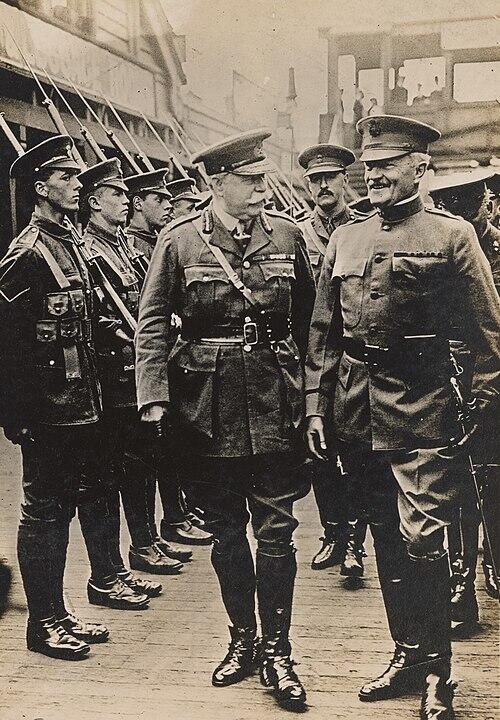
Americans Under Foreign Command
General John J. Pershing, leading the American Expeditionary Force, initially resisted the idea of American troops serving under foreign leadership. However, circumstances led to ten American companies joining Australian Lieutenant General John Monash at Hamel. Although orders were given to withdraw, many American soldiers remained, blending into Australian units, which significantly affected the strength of the battalions involved.
Despite Pershing’s concerns, the collaboration proved beneficial. Captain Gale, reflecting the sentiment of many, remarked that the operation with the Australians achieved more than months of training could have.
Executing a Perfect Plan
General Monash’s meticulous planning was likened to composing an orchestral score, where each military unit played its part precisely. The assault on German positions in Hamel was scheduled to last 90 minutes, and involved a complex coordination of forces over a six-kilometer front. The use of tanks, artillery, and aircraft was unprecedented in its effectiveness.
Secrecy and deception were key to the success of the operation. Dummy installations and continuous air cover masked troop movements, while aircraft noise disguised the sound of tanks taking positions.
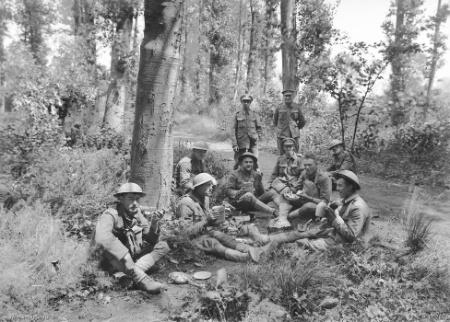
The Battle Unfolds
The attack commenced at 3:10 a.m. with a powerful artillery barrage. The American troops, eager to match the seasoned Australians, advanced with fervor. Their enthusiasm sometimes led them ahead of the protective barrage, resulting in casualties, yet their determination was commendable.
Key objectives included the Pear Trench and Hamel village, where intense fighting occurred. The collaboration led to significant achievements, such as Lance Corporal Thomas Axford’s and Private Henry Dalziel’s commendable actions, both earning the Victoria Cross for their bravery.
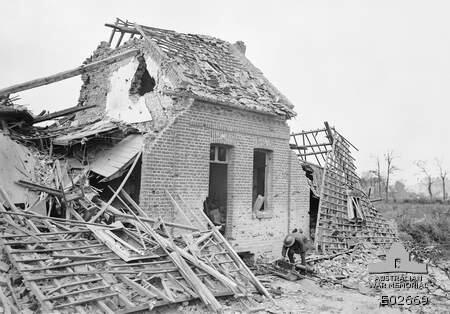
A Swift and Decisive Victory
The battle concluded in just 93 minutes, with all objectives secured. This swift victory highlighted the effectiveness of combined arms tactics and the importance of meticulous planning and execution. The operation resulted in significant enemy losses and set a new standard for future engagements.
General Monash lauded the American troops, acknowledging their “dash, gallantry and efficiency.” The operation at Hamel was a testament to the power of international military cooperation, laying the groundwork for future Allied strategies.
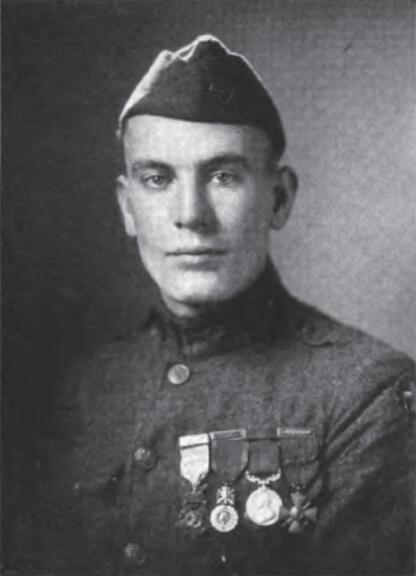
The Legacy of Hamel
The Battle of Hamel reshaped military tactics, emphasizing the integration of various forces to achieve strategic objectives. This approach was later successfully applied in the Battle of Amiens and throughout the Hundred Days Offensive.
The experience gained by American forces at Hamel proved invaluable, equipping them with the knowledge and skills necessary for future battles. The partnership formed between American and Australian forces endures, reflected in their continued cooperation in conflicts throughout the 20th and 21st centuries.