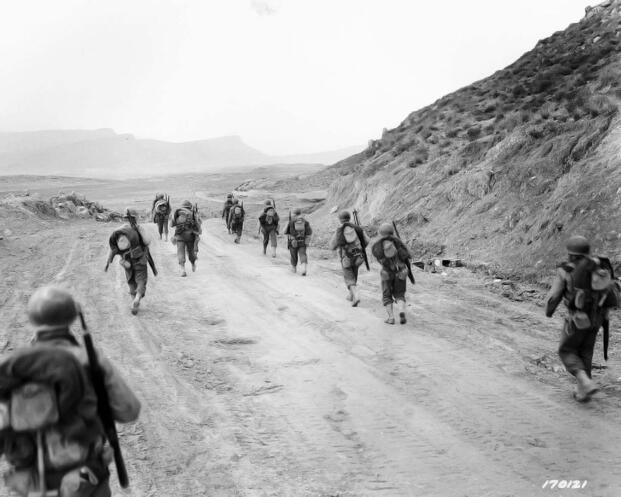
Amid the rugged terrain of Djebel Chambi, American troops prepared for their first significant confrontation against the European Axis powers during World War II. Recently deployed to North Africa, they had encountered minimal opposition from Vichy French forces. However, a daunting challenge awaited them as Field Marshal Erwin Rommel’s Afrika Korps launched a formidable attack.
On the night of February 20, 1943, American soldiers, anticipating the German onslaught, were caught off guard by the unexpected appearance of Italian infantry, known for their distinctive plumed helmets. The 5th Bersaglieri Regiment overwhelmed the American defenses, resulting in significant losses and a strategic retreat by the U.S. forces. This defeat at Kasserine Pass marked a pivotal moment, prompting major reforms within the U.S. Army.
The Strategic Importance of Tunisia
By early 1943, the Axis forces were losing their grip in North Africa. Following the Allied landings in Morocco and Algeria during Operation Torch, and after the defeat at El Alamein, Rommel found himself retreating to Tunisia. This region, with its challenging mountainous terrain, served as the last Axis bastion in North Africa.
Rommel’s strategy hinged on exploiting the inexperience of American forces before they could consolidate their positions. Yet, the Allied command was hampered by a disorganized structure and miscommunication, with British, French, and American leaders often issuing conflicting orders.
Initial Engagements at Faid Pass
The German offensive began on January 30, 1943, targeting the French at Faid Pass. Despite their resistance, French forces were pushed back due to a lack of reinforcements from their Allied counterparts. American Major General Lloyd Fredendall’s decision-making further compounded the issue, with his headquarters located far from the front lines and his orders often being indecipherable.
American units found themselves scattered and unprepared, with insufficient anti-tank weaponry and artillery support. The Axis forces capitalized on this disarray, setting the stage for their next move.
Catastrophic Loss at Sidi Bou Zid
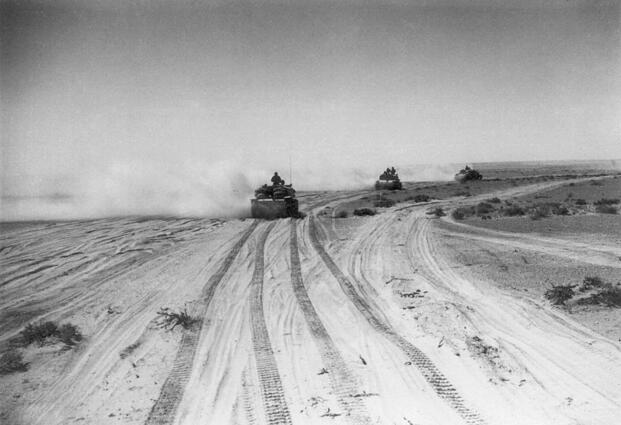
On February 14, a powerful German offensive, led by General Hans-Jürgen von Arnim, caught American forces off guard. Concealed by a sandstorm, German tanks advanced rapidly, surrounding key American positions. Lieutenant Colonel John Waters, who had previously cautioned his men regarding the challenges of facing German forces, found his battalion overwhelmed.
By February 16, American forces had suffered heavy casualties, with significant losses in men and equipment. The Allies retreated to their final defensive line at the Western Dorsal, bracing for the next Axis assault.
Rommel’s Calculated Advance
Rommel, eager to capitalize on his success, aimed to push through Kasserine Pass towards Tébessa, a crucial Allied supply base. However, he was compelled to adhere to orders from Italian command, diluting his forces across multiple objectives. The initial German advance through Sbiba Pass met with stiff resistance from well-prepared Allied defenses.
Undeterred, Rommel redirected his focus to Kasserine Pass, where Allied defenses, though formidable, were ultimately breached by a concentrated Axis assault on February 20.
Turning the Tide
Despite the initial setbacks, the American forces regrouped and fortified their positions. Under the leadership of Brigadier General Paul Robinett, they effectively utilized artillery and defensive tactics to repel the Axis advance. By February 21, the German assault had stalled, prompting Rommel to reassess his strategy in light of dwindling resources and mounting Allied resistance.
Realizing the futility of further advances, Rommel ordered a retreat on February 22. Allied forces quickly regained control of Kasserine Pass, signaling a turning point in the North African campaign.
Learning from Adversity
The Battle of Kasserine Pass exposed significant deficiencies within the American military structure, leading to comprehensive reforms. Under the leadership of General George S. Patton, the U.S. Army underwent a transformation, emphasizing air superiority, cohesive command structures, and integrated combined arms tactics.
These changes, coupled with enhanced equipment and a renewed focus on training, prepared American forces for future engagements. As a result, the U.S. Army emerged stronger and more resilient, playing a pivotal role in subsequent Allied victories across the European Theater.