The U.S. Department of Defense has taken a significant step by announcing a $1 billion investment in L3Harris Technologies for the production of solid rocket motors. This historic agreement marks the first of its kind, aiming to boost the capacity and efficiency of L3Harris’s solid rocket motor production through a strategic partnership.
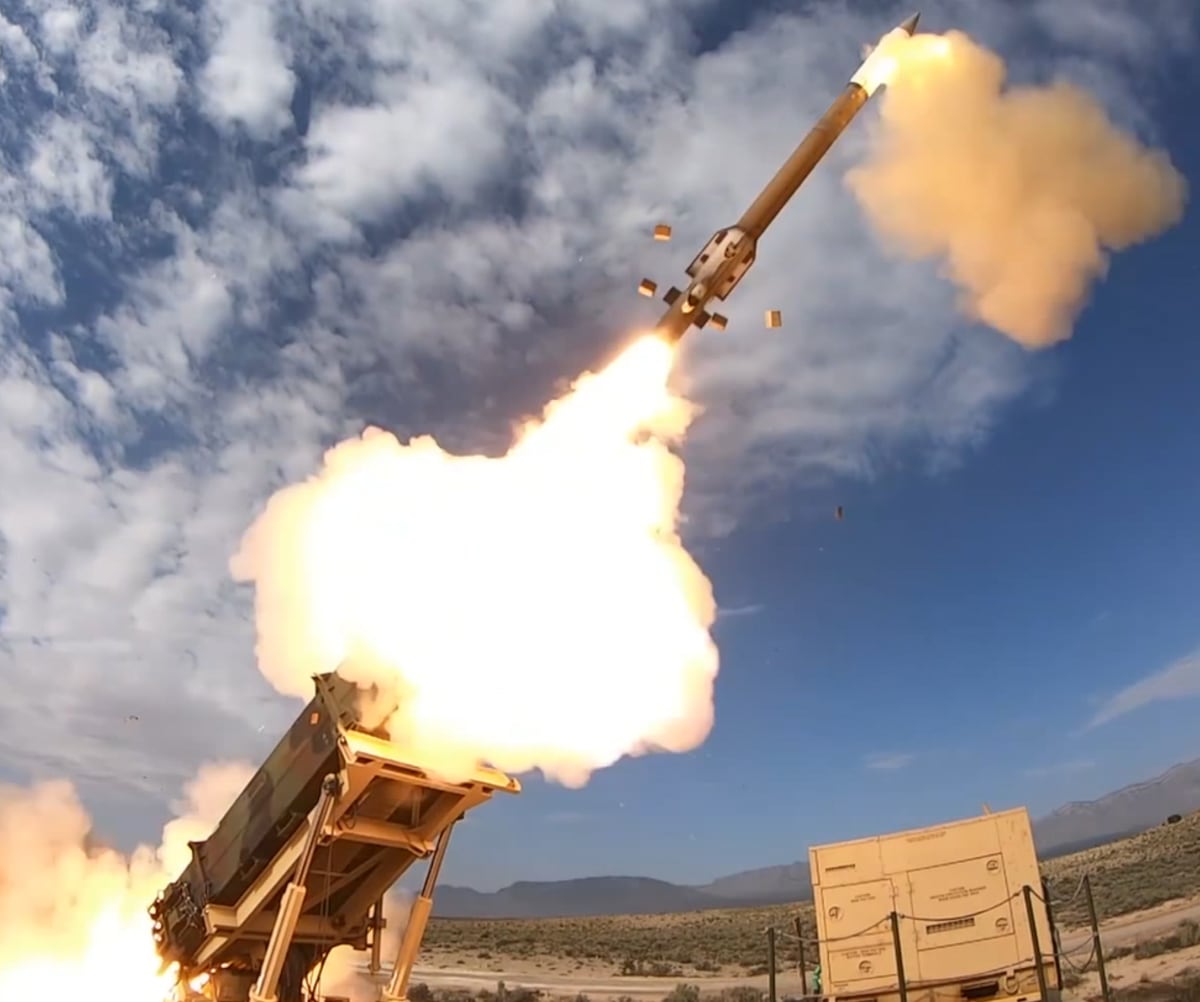
As part of this innovative deal, L3Harris will spin off its Missile Solutions division into an independent entity. This move follows the company’s acquisition of Aerojet Rocketdyne in 2023, a decision that now supports its endeavors to enhance critical missile programs like the Army’s PAC-3 and THAAD systems, alongside the Navy’s Tomahawk and Standard Missiles.
The Pentagon’s financial commitment is intended to provide the fledgling company with both the necessary upfront capital and stability. This will facilitate the expansion of solid rocket motor production, modernization of facilities, and bolstering of industrial resilience. This approach aligns with Defense Secretary Pete Hegseth’s broader acquisition transformation strategy, which seeks to streamline processes and cut costs by engaging directly with key suppliers.
According to Michael Duffey, undersecretary of defense for acquisition and sustainment, “We are fundamentally shifting our approach to securing our munitions supply chain.” He emphasized the importance of building a resilient industrial base to ensure the availability of critical components.
L3Harris has highlighted the partnership’s potential to significantly boost the production of solid rocket motors, which are becoming increasingly critical amid ongoing global conflicts like the war in Ukraine. This demand places pressure on the defense industrial base to deliver more efficiently and effectively.
The investment from the Pentagon will see it act as the anchor investor for the new Missile Solutions company, with a plan for an initial public offering in the latter half of 2026. L3Harris will maintain a controlling interest in the new entity.
Chris Kubasik, Chief Executive of L3Harris, shared insights from discussions with Pentagon officials which began in mid-2025. These conversations underscored the need for increased speed and capacity in the production chain, leading to the creation of a publicly traded spinoff with substantial government backing.
The financial structure of the investment includes a convertible preferred security, which will transition into common equity post-IPO, allowing L3Harris to retain a significant stake in the independent company.
Despite the transformative potential of this arrangement, industry experts like Bryan Clark from the Hudson Institute have noted possible risks, including fluctuating demand for solid rocket motors. The market has seen substantial changes over the years, and a standalone entity faces the challenge of adapting to these shifts.
Clark also highlighted the unique nature of this arrangement, which might inadvertently give the new Missile Solutions company an edge in future government contracts. This could potentially challenge competitors like Northrop Grumman’s Orbital ATK.
The development of this new company reflects a broader trend within the defense sector, where traditional business models are evolving to meet contemporary demands. However, as Clark points out, the viability of this new venture will depend heavily on sustaining current demand levels.