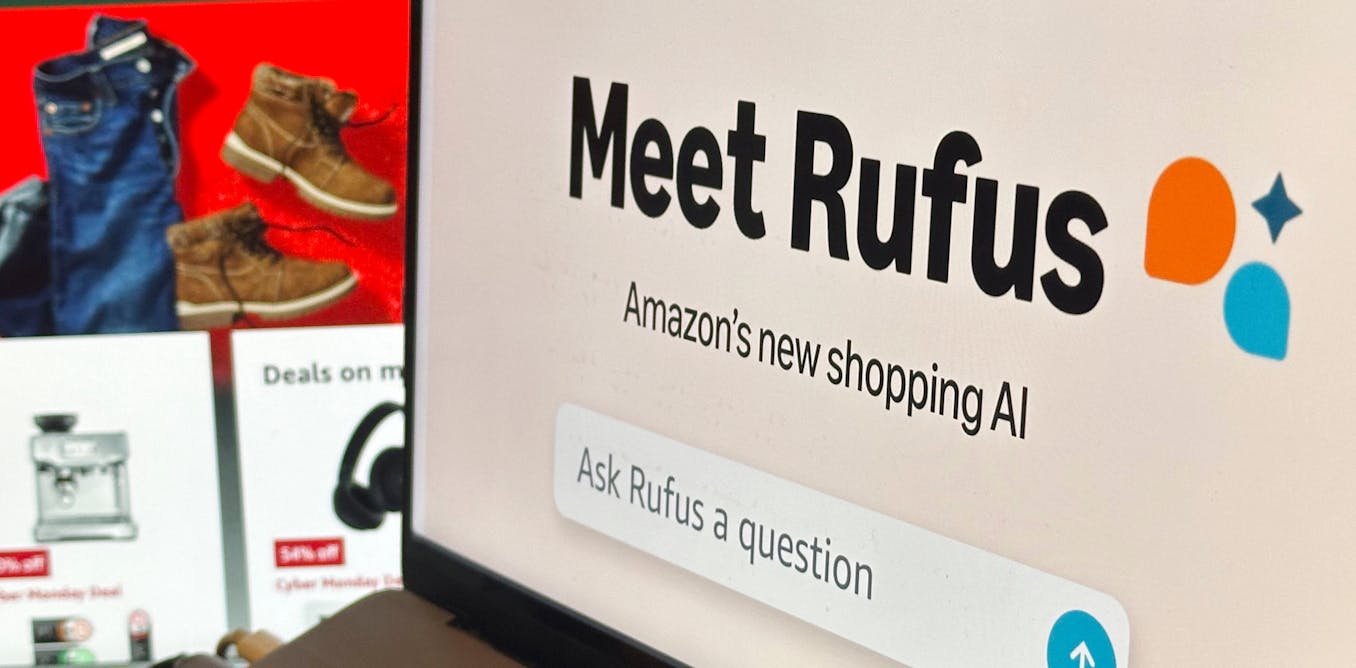
As Americans continue to dedicate substantial time to shopping, surpassing activities like education and volunteering, the landscape of consumer behavior is undergoing significant transformation. Retail giants and online platforms are increasingly turning to automation to streamline the shopping experience.
Currently, artificial intelligence (AI) agents are capable of conducting product searches, suggesting options, and even finalizing purchases for consumers. Despite these advancements, many shoppers remain wary of relinquishing control. A Bain & Company survey highlights that while AI tools are being utilized, most consumers hesitate to let AI complete their transactions autonomously.
Concerns About AI Shopping
Privacy concerns play a significant role in consumers’ reluctance to adopt AI shopping tools. The hesitation stems from apprehensions about sharing personal and financial information, as well as the desire to maintain control over purchasing choices. When shoppers find it difficult to comprehend the logic behind AI recommendations, their trust in these systems diminishes.
Additionally, the perception that AI might infringe on personal autonomy leads to resistance. Research indicates that consumers may intentionally choose options that don’t align with their preferences when they feel their choices are being predicted, as a means of asserting independence.
Despite advancements, AI systems have encountered notable setbacks. For instance, an AI-driven vending machine infamously stocked a live fish, as reported by the Wall Street Journal. Similarly, Wired documented an AI assistant taking an excessive 45 seconds to add eggs to a shopping cart.
The Business Impetus for AI Adoption
The allure of AI for businesses is evident. These systems are engineered not only to assist but also to influence consumer behavior. According to research, AI agents can shape preferences, steer choices, and even reduce product returns.
Prominent companies are capitalizing on these capabilities. Salesforce boasts AI agents that can “effortlessly upsell,” while Mastercard’s AI assistant, Shopping Muse, reportedly achieves 15% to 20% higher conversion rates compared to traditional methods.

Rupixen on Unsplash., CC BY
Retailers are swiftly embedding AI tools into customer interactions, from Amazon’s Rufus app to Walmart’s AI-enhanced grocery carts. As AI shopping agents like Sparky and Ralph are heralded as the retail future, there’s a push for companies to align their brands with this technological evolution.
The Emotional Aspect of Shopping
AI shopping tools promise efficiency by quickly comparing prices, analyzing reviews, and monitoring discounts. They also help consumers navigate complex privacy policies and terms of service.
Nonetheless, there are emotional factors at play. The anticipation associated with awaiting a purchase often brings happiness, sometimes exceeding the joy of the product itself. This emotional anticipation risks being undermined by automated purchasing processes.

Vitaly Gariev on Unsplash, CC BY
Shopping also represents a form of personal expression and ethical decision-making. Consumers often choose products based on ethical considerations, like fair-trade or cruelty-free labels, which contribute to their identities.
The social aspect of shopping, such as browsing with friends or interacting with salespeople, enriches personal well-being. Likewise, gifting, which involves thoughtful selection and personal investment, risks losing its significance if delegated to AI systems.
Balancing Automation with Human Agency
As AI shopping agents become more prevalent, regulatory discussions are catching up. Transparency is a primary concern, with the European Union proposing a disclosure framework for automated decision-making. Meanwhile, U.S. lawmakers are considering bills addressing AI transparency.
Ultimately, consumers desire a choice in their engagement level with AI shopping tools, reflecting that shopping is more than just fulfilling needs efficiently. The critical question remains whether these tools will prioritize user interests and human well-being or focus predominantly on maximizing corporate profits.