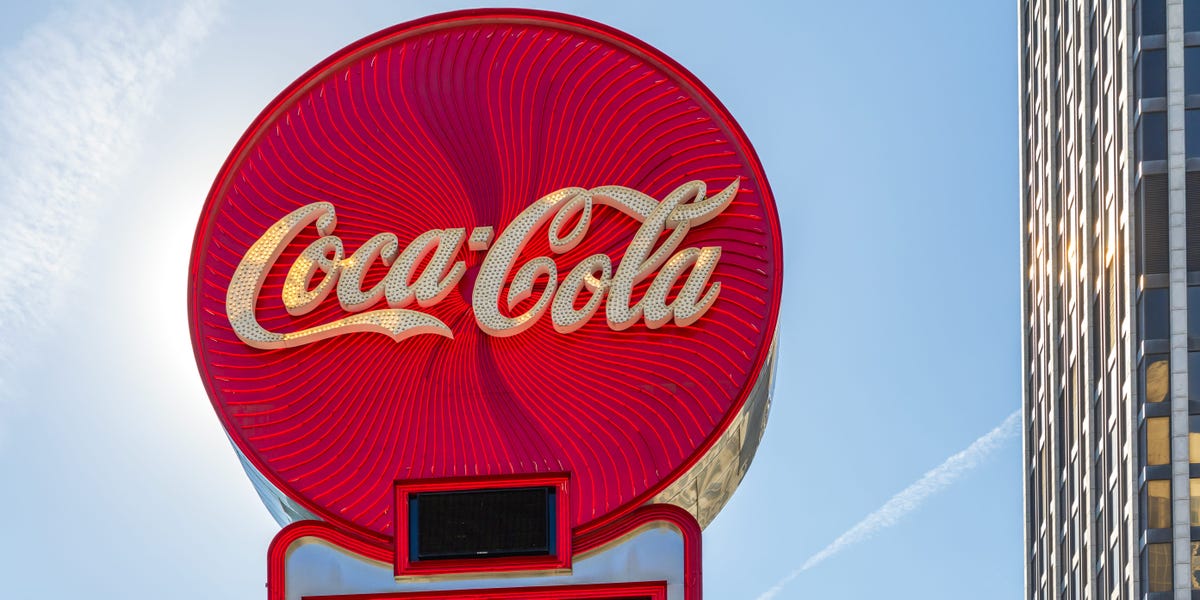
In a rapidly evolving marketing landscape, artificial intelligence is becoming a cornerstone for major consumer goods companies, revolutionizing how they create and deliver content. Notably, Coca-Cola’s festive advertisement and Svedka’s Super Bowl commercial have both utilized AI technology, showcasing its growing influence in the advertising industry.
Consumer goods companies are increasingly integrating AI into their marketing strategies, both creatively and strategically. According to marketing leaders, the technology is enabling faster campaign development than ever before.
At Mondelēz International, the adoption of AI has significantly reduced production times for short social media videos. Jennifer Mennes, VP and global head of digital marketing and strategy at Mondelēz International, explained that a task that once took up to 10 weeks can now be accomplished in mere minutes with AI’s help. Though final production still involves human oversight, the overall process has been dramatically expedited.
While AI aids in creating substantial content efficiently, there is a risk of producing low-quality output, known as “AI slop,” which may deter consumers. Despite this, the efficiency gains are invaluable, especially in high-volume tasks, as stated by Mennes: “It doesn’t seem that exciting,” but the impact is significant.
Testing and Learning with AI
AI’s role extends beyond visible marketing aspects to include idea generation and testing. Johnny Rohrbach, founder of global partnerships and operations at Silverside AI, collaborates with companies like Coca-Cola on holiday campaigns, utilizing AI for brainstorming creative directions.
Additionally, AI is used for focus group testing. Sonja Evans, VP of business intelligence and strategy at Blue Chip Marketing Worldwide, mentioned their partnership with Waldo.fyi, an AI firm, to simulate brand target groups for testing creative ideas. This method allows agencies to refine concepts with virtual audiences before real-world testing.
Blue Chip employs AI to create “boardomatics,” animated versions of ads that can be tested with consumers before full production. This allows for feedback-driven refinements, optimizing the final product.
Avoiding the Trap of AI Slop
With increasing demands for content, brands must maintain quality to avoid alienating their audience. Rohrbach highlighted that AI helps balance consumer demands with budget constraints. However, as Mennes pointed out, “If the spots feel like garbage and if you’re just pumping out content because you can, then you’re going to turn off the consumer.”
Ensuring authenticity, particularly in imagery, is crucial, especially for food brands. Despite criticisms of AI-generated ads, Rohrbach noted the success of their Coca-Cola holiday ad, which performed well in both internal and external testing.
BCG’s study indicates a maturity gap in AI adoption, with only 13% of CPG marketing leaders having fully integrated AI into their workflows. Yet, the potential for AI to enhance marketing efficiency remains evident. As Mennes remarked, collaboration among CPG peers is fostering innovation and organizational transformation.