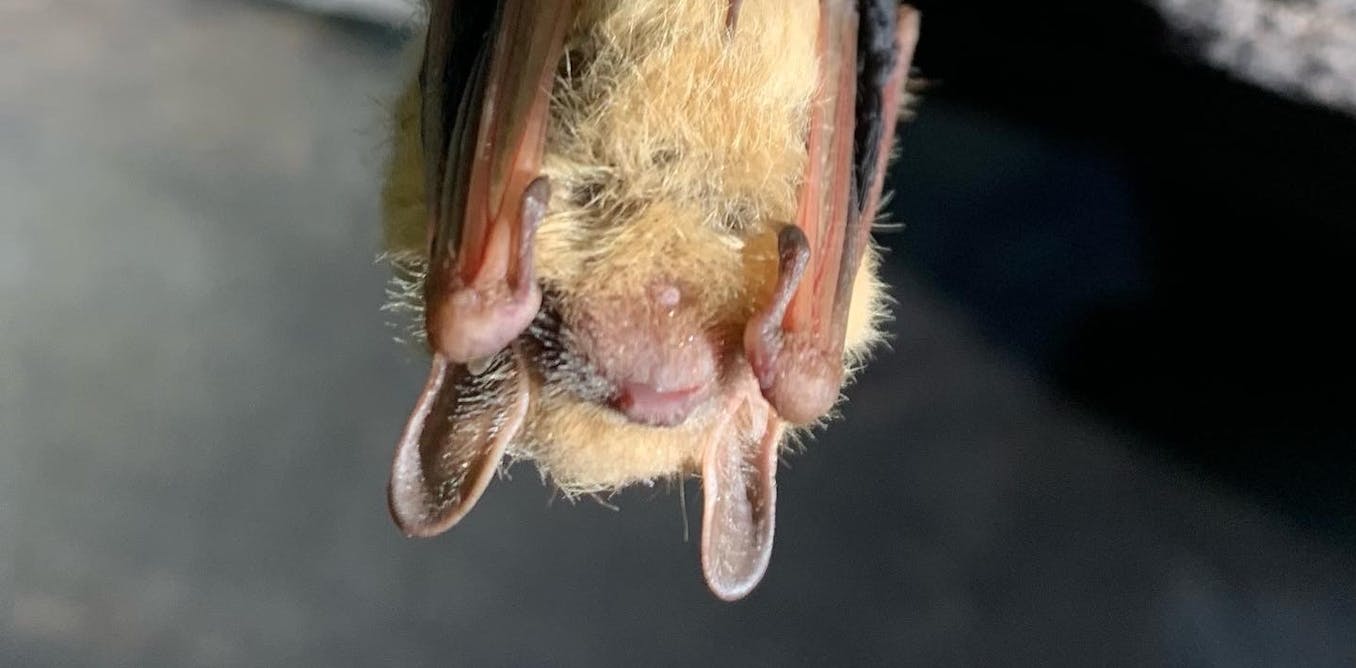
While bats are often associated with Halloween, their importance to the U.S. economy is felt every day through their vital ecological roles.
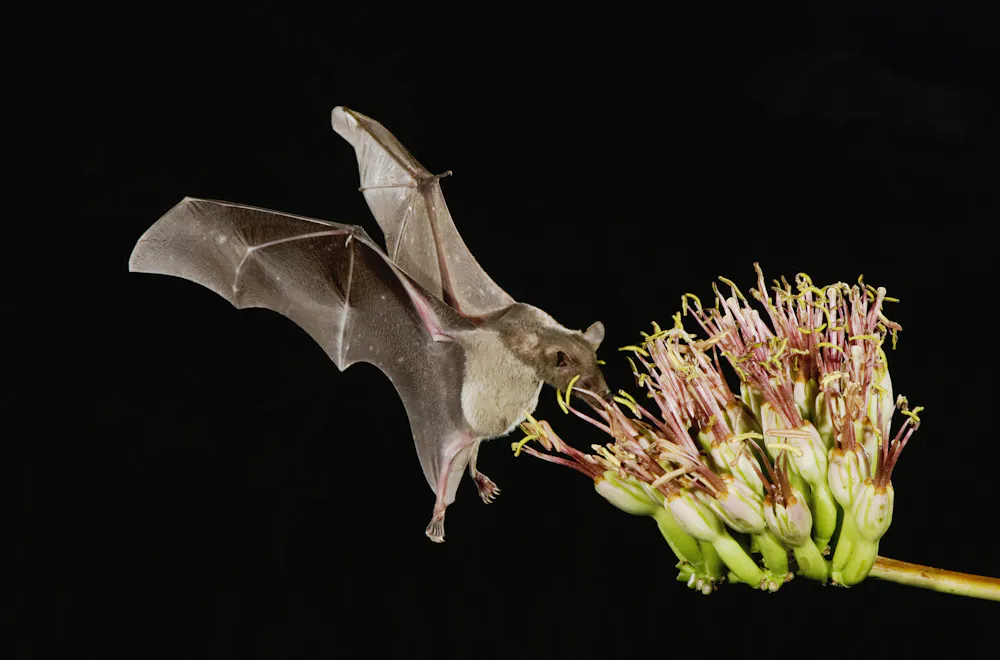
These nocturnal creatures contribute significantly by pollinating plants, including essential food crops, and their guano is a valuable source of fertilizer. Moreover, bats play a crucial role in pest control by eating insects that not only annoy people but also harm crops.
Despite their importance, bat populations in North America are declining drastically, primarily due to a fungal disease known as white-nose syndrome. The loss of bats results in increased insect populations, which can have detrimental effects on agriculture and the broader economy.
Bats: Nature’s Pest Control
Consider the volume of insects that bats consume. During summer, a reproductive female big brown bat can consume its body weight in insects nightly, coinciding with the peak farming season.
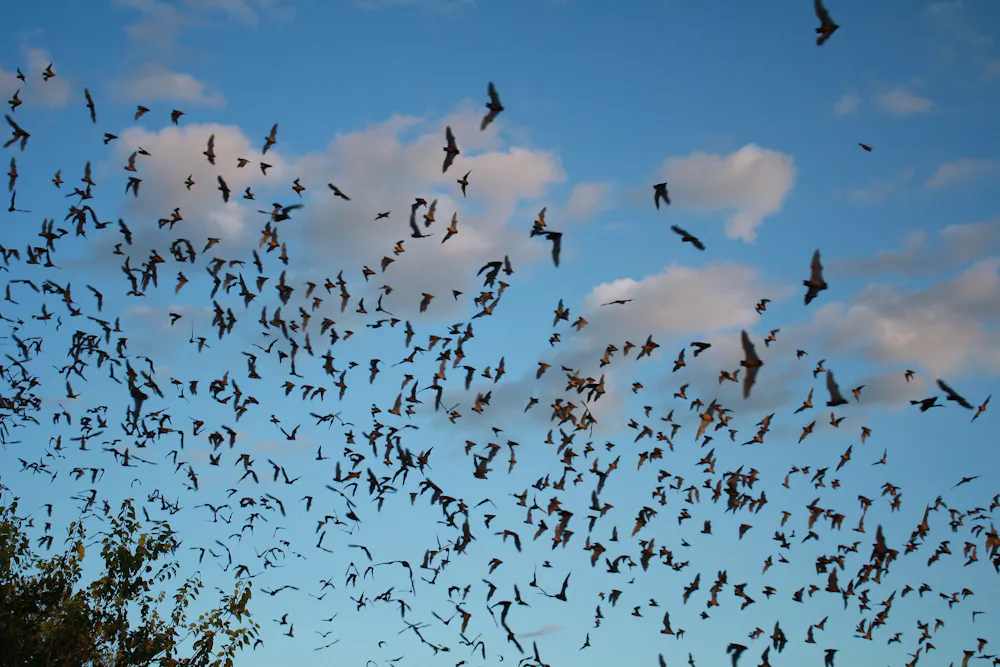
Ann Froschauer/U.S. Fish and Wildlife Service
Bats’ dietary habits help control pests like the cucumber beetle, which originates from rootworm, a notorious pest in U.S. cornfields. This pest is responsible for significant agricultural damage, prompting farmers to spend over US$1 billion annually on pesticides.
A colony of 150 big brown bats can consume 600,000 cucumber beetles annually, thus preventing the production of millions of rootworms, which would otherwise devastate corn crops.
White-Nose Syndrome: A Looming Threat
White-nose syndrome, caused by the fungus Pseudogymnoascus destructans, was first identified in the U.S. in 2006. Since then, it has spread across the country, affecting 12 bat species. This disease has led to devastating declines in bat populations, with some colonies experiencing mortality rates between 30% and 99%.
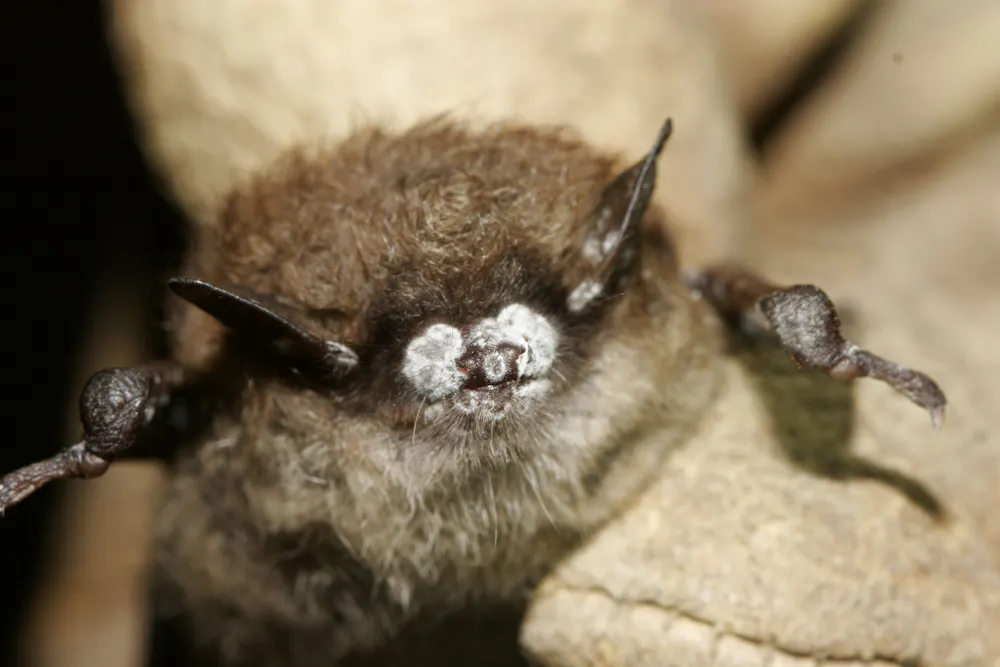
Ryan von Linden/New York Department of Environmental Conservation
By March 2026, the fungus had been detected in 47 states, spreading primarily through bat-to-bat contact, though human activity also plays a role in its dissemination. Efforts to control the disease, such as restricting access to bat habitats, have not stopped its rapid spread.
The Agricultural Impact
The decline in bat populations affects agriculture significantly. As pests increase, crop yields fall, leading farmers to rely more on chemical pesticides. This not only raises costs but also introduces potential human health risks. The economic impact of white-nose syndrome on agriculture was estimated to be more than $420 million annually as of 2017.
Rolf Nussbaumer/imageBROKER
Financial Strain on Local Governments
Tax revenues from agricultural lands decrease as bat populations decline, leading to lower profits and a reduced tax base for rural counties. This loss of revenue forces counties to either cut services, raise taxes, or borrow more, often at increased costs. On average, rural counties have lost nearly $150 per person annually due to white-nose syndrome.
Implications for the Bond Market
Rising risks and borrowing costs for counties affected by bat population declines are reflected in the municipal bond market. Investors require higher interest rates, increasing costs on bonds, such as a 15-year, $1 million bond, by over $33,000.
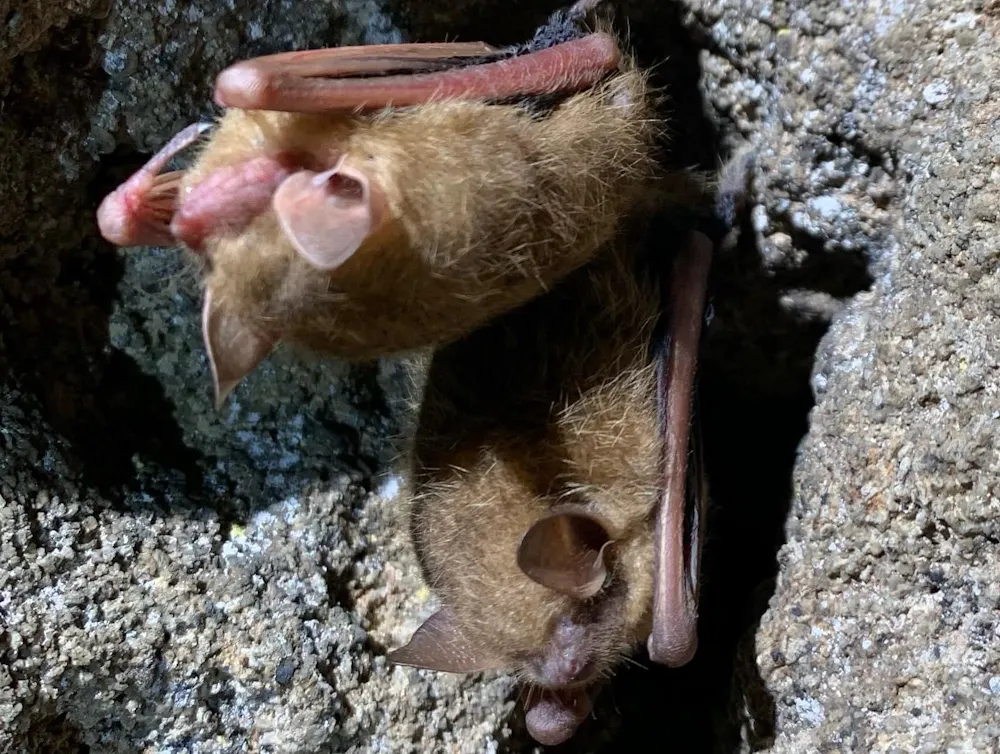
Liz Hamrick/TVA
The increased yields reduce bond prices, impacting investors, including those managing retirement funds. For instance, a $1 million bond from a rural county affected by white-nose syndrome would face a discount of nearly $14,000.
Economic Incentives for Bat Conservation
Maintaining healthy bat populations offers economic opportunities by boosting farmer incomes and tax revenues, and reducing borrowing costs. Efforts to protect bats, such as testing fungal vaccines and enhancing bat habitats, are underway. Though challenging, these initiatives promise financial and ecological benefits.