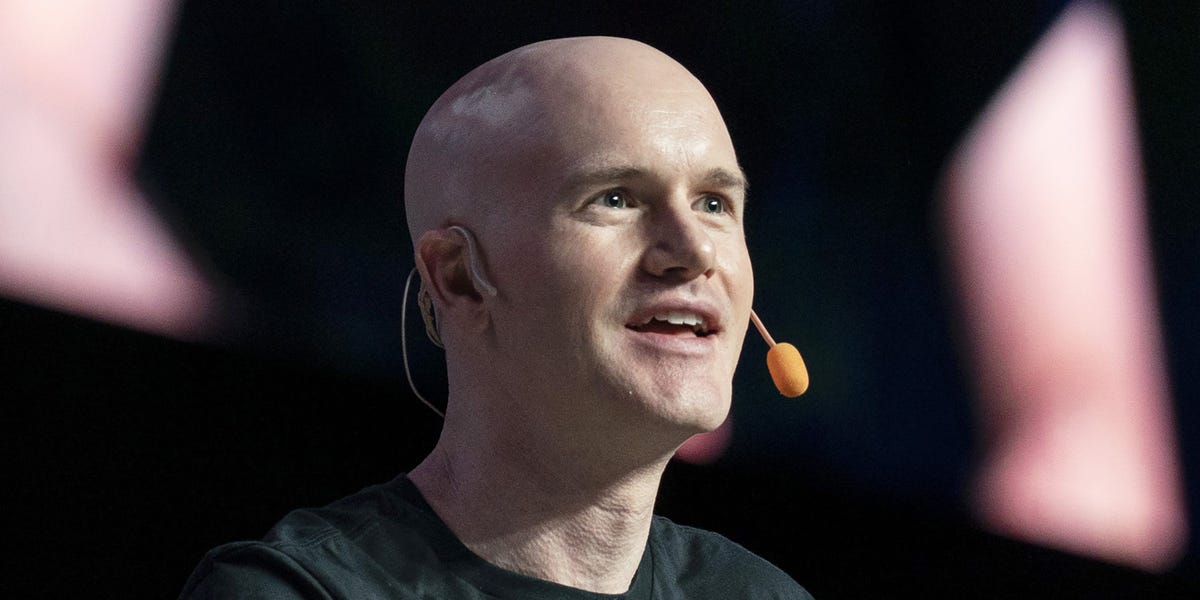
Coinbase’s recent announcement of a 14% workforce reduction marks a significant shift in its operational strategy. As the company navigates these changes, the remaining employees will encounter new dynamics in their work environment.
In a memo shared on X, Coinbase CEO Brian Armstrong explained the reasoning behind the layoffs and outlined the future direction for the company. This decision is part of a broader restructuring effort, which Armstrong communicated to employees directly. For the full memo, visit here.
The company’s stock has experienced a downturn of nearly 17% this year and was down almost 3% at the time of the announcement.
1. Streamlined Organizational Structure
Armstrong emphasized a streamlined hierarchy by stating, “We are flattening our org structure to 5 layers max below CEO/COO. Layers slow things down and create a coordination tax.” This new approach aims to enhance agility through smaller, context-driven teams.
Leadership roles will expand, with leaders expected to manage about 15 direct reports.
2. Elimination of Pure Manager Roles
The restructuring will see the end of traditional management roles as Coinbase shifts to a “player-coach” model. Armstrong explained that managers will now work alongside their teams, a trend already gaining traction in the tech sector.
This approach aligns with similar moves by other major tech companies, which are reducing middle management roles in favor of more dynamic team structures. For more insights into this trend, read here.
3. Emphasis on AI and Tiny Teams
In line with the tech industry’s evolution, Armstrong highlighted a focus on AI-driven efficiency, stating, “We’ll be concentrating around AI-native talent who can manage fleets of agents to drive outsized impact.”
This new model includes experimenting with reduced team sizes, potentially down to “one-person teams,” where individuals may take on multiple roles typically held by engineers, designers, and product managers.
This shift reflects a broader movement towards leveraging AI to replace larger teams with smaller, highly specialized units or individuals.