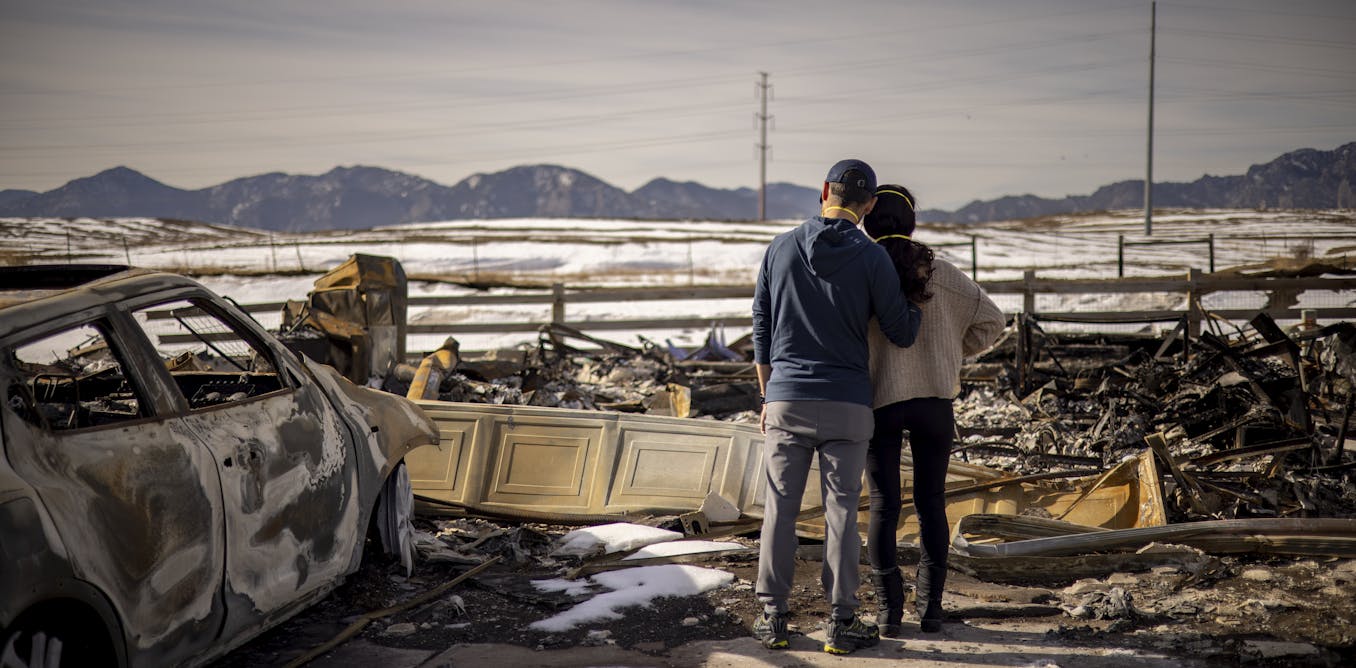
Amid growing risks from natural disasters, the question of whether homeowners carry enough insurance is more pressing than ever. In Colorado, a state recently hit hard by the devastating Marshall Fire, many homeowners have found themselves underinsured, unable to fully rebuild their homes after total losses.
Economists Tony Cookson and Erin Gallagher, who study financial strategies for disaster recovery, have investigated the insurance landscape in Colorado. They found alarming trends, including a near 60% surge in insurance premiums over the last five years due to increased wildfire, hail, and other risks. These trends align with a nationwide reevaluation of risk factors.
Their research, which connects detailed insurance data to real rebuilding efforts, sheds light on critical steps homeowners can take to enhance their coverage.
Prevalence of Underinsurance
Underinsurance occurs when a homeowner’s coverage falls short of the actual costs to rebuild after a disaster. By utilizing construction-cost software and matching it to actual post-fire quotes from the Marshall Fire, the study found that 74% of homeowners were underinsured. Notably, 36% of these were severely underinsured, with policies covering less than 75% of rebuilding costs.
Interestingly, this issue spanned across income levels. Even among those earning above $180,000 annually, 72% did not have sufficient insurance to cover total rebuild costs. The study also noted that credit scores and mortgage debts did not correlate with underinsurance levels.
UCG/GettyImages
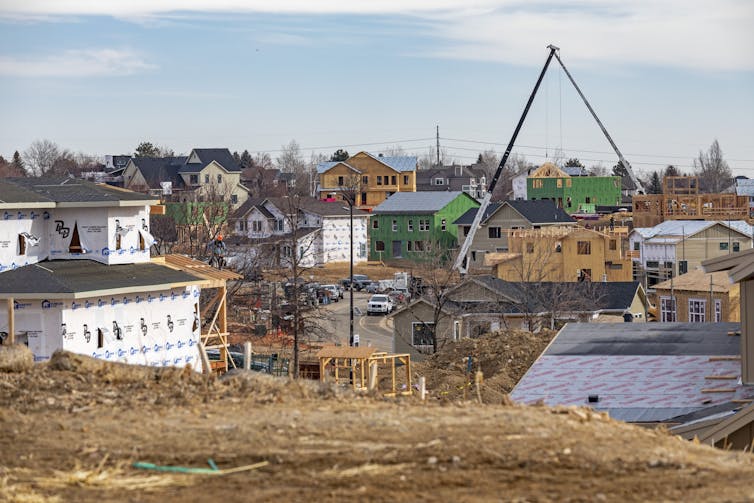
Post-disaster, rebuilding costs typically increase as many survivors attempt to reconstruct simultaneously. Extended Replacement Cost policies, which offer additional coverage if reconstruction exceeds the original limits, are popular among homeowners. Despite 87% of policies in the study including such extended coverage, nearly three-quarters still did not fully cover rebuilding expenses. These policies, while helpful, do not entirely address the underinsurance issue.
The Impact of Insurance Choices
The choice of insurance provider significantly influences the level of coverage, even when accounting for factors like income and property characteristics. Homeowners often focus on premium costs rather than the extent of coverage offered. By comparing insurer quotes for identical coverage, homeowners could save approximately $290 annually, which represents about 10% of the average homeowner’s insurance premium.
Consequences of Underinsurance
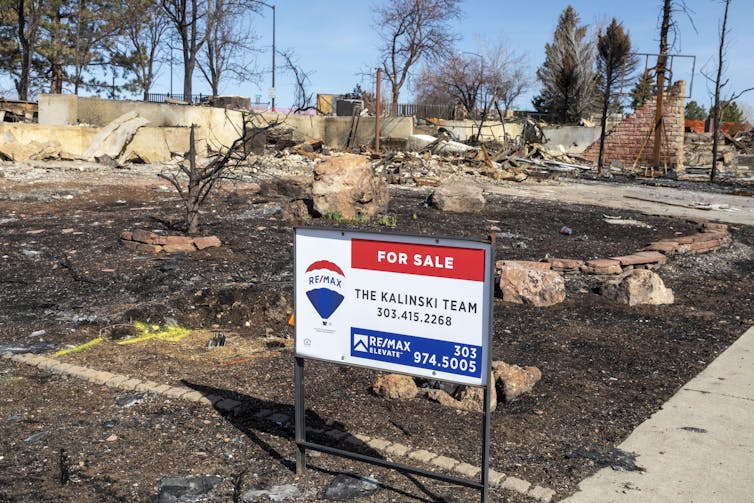
Underinsurance can severely hinder recovery efforts after disasters. Households lacking adequate coverage are less likely to rebuild, often opting to sell their properties instead. The study suggests that if all underinsured households had full coverage, 25.4% would have sought reconstruction permits within a year, compared to the actual 18.8%. Additionally, fewer homeowners would have sold their properties, allowing more families to remain in their communities.
UCG/GettyImages
Steps for Colorado Homeowners
Colorado homeowners can take several actions to ensure their insurance coverage meets increasing risks and costs:
-
Request a detailed comparison of coverage limits and extended coverages when obtaining or renewing insurance quotes. This approach prevents underinsurance while pursuing lower premiums.
-
Review coverage limits after significant property changes or economic shifts. Construction costs have risen sharply in recent years due to factors like the pandemic. Regularly updating your coverage, especially after renovations, is crucial.
Consider the insurer’s reputation and community presence. Companies with local ties may offer better coverage options, reflecting their concern for maintaining a positive reputation. This factor should be considered alongside pricing.
As the Front Range continues to grapple with intense wildfire seasons influenced by wind, drought, and human activities, insurance premiums are unlikely to decrease soon. Homeowners should approach insurance shopping and policy renewals with the mindset that a total loss could occur at any time.