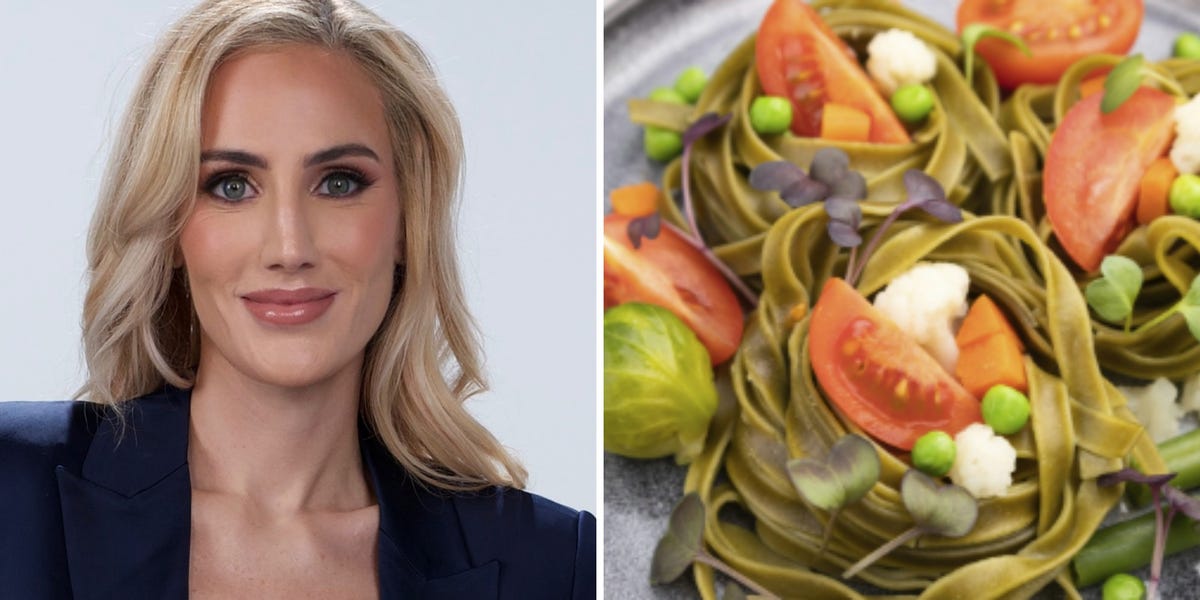
In a world where most individuals struggle to meet even the minimum daily fiber requirements, Dr. Danielle Belardo stands out by consuming an impressive 90 grams of fiber daily. This vegan cardiologist from Los Angeles surpasses the weekly fiber intake of many Americans in just one day.
“There’s no guideline that says anyone should reach 90 grams of fiber a day, it just happens to be what I eat,” Belardo told Business Insider.
The recommended fiber intake is 14 grams for every 1,000 calories consumed, translating to at least 25 grams daily. However, only 10% of Americans achieve this goal, with many consuming less than half the recommended amount.
A diet rich in fiber from sources like fruits, vegetables, and whole grains is known to help eliminate waste, such as bile acid, from the body and reduce “bad” cholesterol levels. Low-fiber diets have been associated with poor heart health, increased diabetes, high blood pressure, and various cancers, including colon cancer and breast cancer.
Introducing fiber into the diet too quickly, a practice known as “fibermaxxing,” can cause bloating, gas, and cramps. It’s advisable to gradually increase fiber intake while ensuring adequate hydration.
Here’s a look at how Dr. Belardo incorporates fiber and protein into her daily meals.
Breakfast: a smoothie, with berries, protein powder, and frozen spinach
Getty Images
Belardo’s typical breakfast smoothie:
- 1 cup of frozen raspberries (8 g of fiber)
- 1 cup of frozen blackberries (8 g)
- 1 cup of spinach (1 g)
- 1 scoop of protein powder (4 g)
Fiber from breakfast: 21 g
With this meal, Belardo nearly meets the daily fiber recommendation for women, which is 25 to 28 grams.
Lunch: avocados, beans, and whole grains
Lemanieh/Getty Images
For lunch, Belardo often opts for a grain bowl.
A fiber-rich lunch:
- 1 whole avocado (10 g)
- 1/2 cup of black beans (7.5 g)
- 1 cup of quinoa (5 g)
- 1 cup of Brussels sprouts (4.5 g)
- 1 Tbsp of chia seeds (5 g)
Fiber from lunch: 32 g
Total fiber consumed so far: 53 g
Dinner: pasta, chickpeas, broccoli, and beans
Getty Images
“Bean pastas are such a great option to get high fiber in,” she said, recommending them to her patients for weight loss and heart health improvement.
High fiber foods tend to replace less nutritious options, contributing to overall health.
Belardo added: “You can do lentil or chickpea, but one that’s got a super high amount of protein and fiber that I love is edamame and mung bean pasta.”
A high-fiber dinner:
- 1 1/2 cups of cooked edamame and mung bean pasta (24 g)
- 1/2 cup of cooked chickpeas (6 g)
- 1 cup of broccoli (5 g)
- 1 Tbsp of black beans (1 g)
Fiber from dinner: 36 g
Total daily fiber: 89 g (Belardo’s average daily intake is about 90 grams).
It’s better to get fiber from foods than supplements
Peter Blottman Photography/Getty Images
While fiber supplements can address deficiencies, Belardo advises against them, as whole foods offer additional benefits that supplements cannot match.
“It’s not just the fiber itself that’s beneficial, it’s the food it comes packaged with,” Belardo explained. “It’s also coming with phytonutrients, vitamins, minerals, antioxidants and all these other things.”