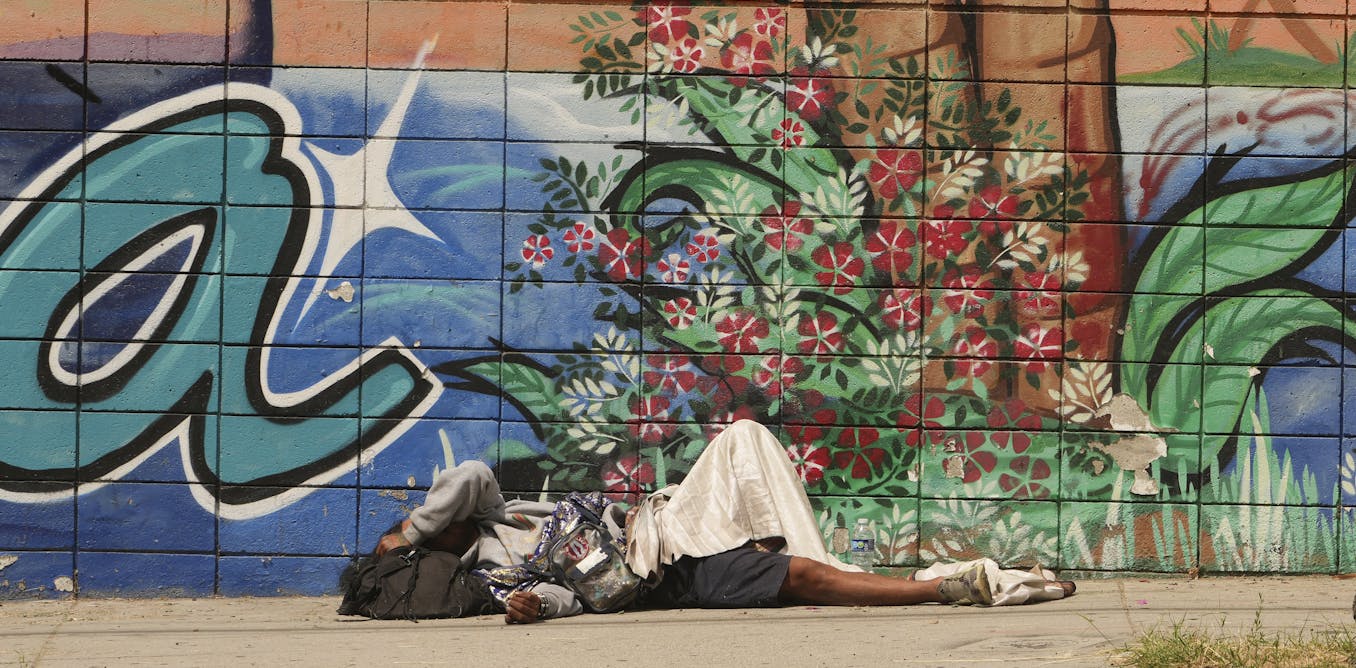
Exploring avenues to alleviate homelessness remains a critical concern across the United States. Could providing homeless individuals with a monthly stipend of $750 aid in securing permanent housing? This question guided a recent study, undertaken by the University of Southern California Homelessness Policy Research Institute in collaboration with Miracle Messages, a nonprofit based in San Francisco.
This investigation, one of the pioneering randomized studies on basic income for homeless individuals in the U.S., involved 103 homeless participants from California receiving $750 monthly for a year. Their progress towards housing was compared to a control group of homeless individuals who did not receive the payments. All participants were classified under the federal definition of literal homelessness, indicating they resided either on the streets or in shelters.
Precedents and Expectations
Anticipation for a positive outcome was fueled by earlier studies. A Canadian experiment distributing a lump sum of 7,500 Canadian dollars to 50 homeless individuals resulted in 99 fewer days of homelessness over one year. Additionally, a smaller pilot by Miracle Messages showed promising results, where six out of nine participants transitioned to long-term housing after receiving $500 monthly for six months. However, such small-scale results can be misleading, and the differences between the U.S. and Canada’s social safety nets necessitated further investigation.
Short-Term Nature of Homelessness
After a year of receiving the basic income, nearly half of the study’s participants were no longer homeless. Interestingly, a similar proportion of the control group also managed to find housing. This suggests that homelessness, although disruptive, is often temporary for many individuals actively seeking stable living conditions.
Given these findings, the researchers questioned the broader impacts of the monetary aid if not significantly altering housing outcomes. The focus shifted to understanding how the funds were utilized by the recipients.
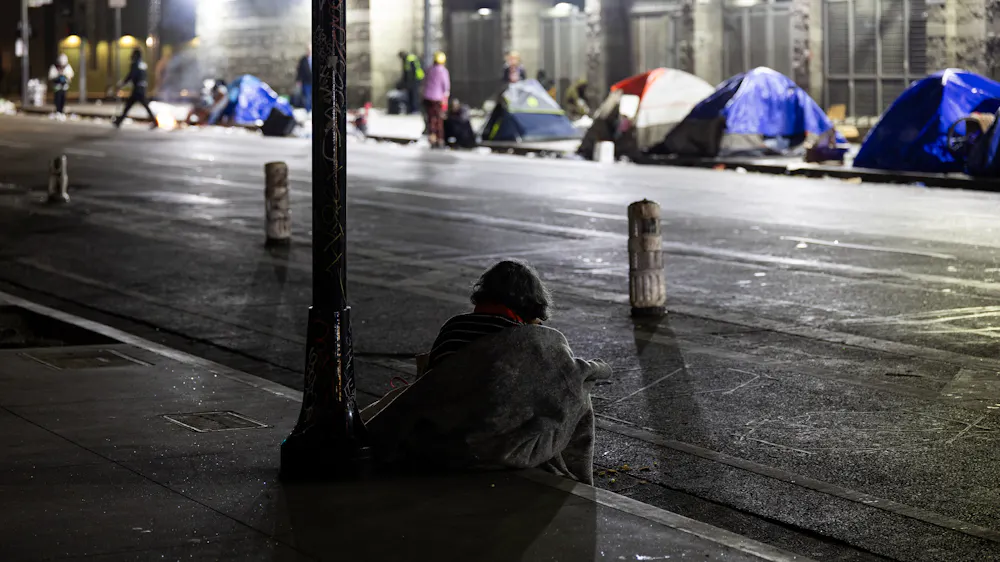
Qian Weizhong/VCG via Getty Images
Analysis of Expenditure
Despite concerns that recipients might misuse the funds on non-essential items like alcohol or drugs, the study revealed that most participants allocated the money towards essentials such as food, housing-related costs, transportation, and health care. Spending on alcohol, cigarettes, and illegal substances was limited to just 5% of the funds.
Moreover, the cash enabled individuals to address personal and immediate needs. For instance, one participant used the money to maintain his car, which served both as transportation and a makeshift home. Others spent on gifts for family, supported aging parents, or even donated to charity, enhancing their sense of contribution. Some used the funds to alleviate debts that were causing stress.
Understanding the Findings
While the basic income did not significantly reduce homelessness, it contributed to increased stability in other life aspects for the participants. The absence of negative consequences suggests that the program was beneficial in non-housing areas.
Cash assistance programs have been evaluated globally, often targeting specific communities like the unemployed or impoverished families, and have consistently led to improved conditions. However, homelessness poses unique challenges, primarily due to the high costs of housing. The $750 monthly stipend falls short of covering typical rent, which averaged nearly double that amount in February 2026 for a one-bedroom apartment.
For basic income to effectively reduce homelessness, future programs may need to consider larger and longer-term payments, ideally sufficient to cover local housing costs, as an integral part of the solution.