The prolonged 2025 government shutdown has cast a spotlight on the food insecurity issues faced by many Americans. Over 42 million people relying on the Supplemental Nutrition Assistance Program (SNAP) found themselves navigating an uncertain landscape to fill their pantries during the 43-day suspension.
In a candid moment, a West Virginia resident expressed her frustration to a New York Times journalist, saying, “We’re angry. Because we do count!” Her words echo a broader sentiment that food security transcends mere sustenance, touching on dignity and social status.
Researchers in the fields of food inequality, nutrition, and food justice have long studied how food assistance impacts individuals. While such programs meet essential needs, they can sometimes strip away dignity, leaving recipients feeling stigmatized.
These researchers have explored alternatives to conventional food charity models, which, despite their good intentions, often induce feelings of shame. They argue that it’s possible to provide food support in ways that respect individual dignity.
Dignity and Food Assistance
The persistent challenge of food insecurity involves more than just access to nutritious food that aligns with personal preferences. Programs like SNAP, along with other government and charitable food services, remain in high demand, irrespective of economic conditions. However, reliance on these resources often falls short of promoting a healthy diet and can negatively impact mental well-being.
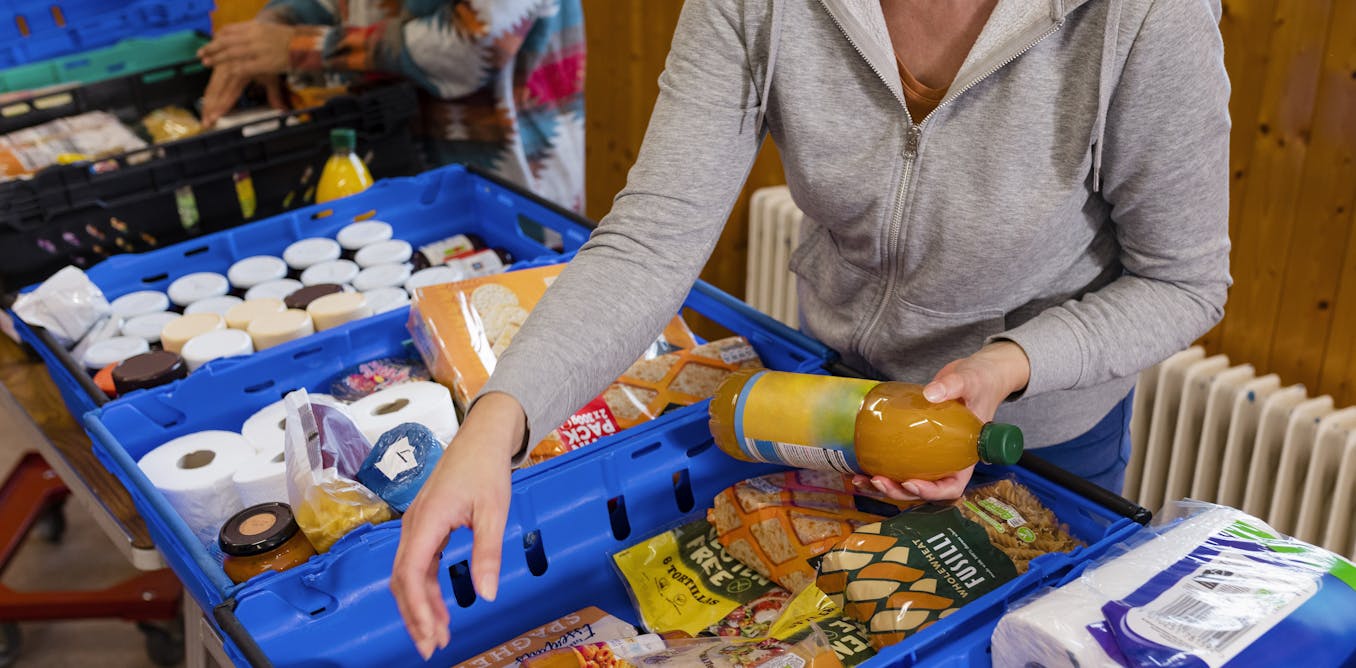
Interviews with mothers reveal the shame felt when SNAP benefits fail to cover grocery expenses. Such emotions are compounded by food pantries that limit selections, leaving individuals feeling marginalized. These facilities, typically stocked with grocery leftovers and community donations, often provide food that users describe as unhealthy or unappealing, adding to the burden of those in need.
Research findings indicate that people frequenting food banks expect low-quality offerings and limited options. This perception can reinforce feelings of powerlessness and shame, exacerbated by the scrutiny and suspicion they face regarding their food choices.
During interviews, researchers observed cashiers closely monitoring mothers using SNAP EBT cards, reflecting broader societal biases. Political narratives sometimes paint SNAP as corrupt, fostering negative perceptions of its beneficiaries. Studies highlight the hostile encounters SNAP users often face, contributing to stress and stigma.
Minimizing Stigma
Research suggests that food assistance programs can maintain dignity while providing aid. Initiatives in Canada, such as bulk-buying food cooperatives, have demonstrated success by fostering community involvement. Programs that ensure SNAP benefits are accepted in major grocery outlets help users feel integrated into the shopping experience.
Yet, the social stigma persists, as SNAP participants often face societal judgment based on economic status.

Brandon Bell/Getty Images
Cultivating Dignity in Food Assistance
Efforts to reduce stigma can enhance the effectiveness of food aid programs. Intentional focus on dignity in these programs is essential. A nationwide meal kit initiative exemplifies how considering the multifaceted nature of food can promote dignity.
The 2021 Pass the Love meal kit program provided participants with ingredients and recipes for three vegetarian meals weekly, without income verification. Interviews with participants revealed that the quality and presentation of the food were highly valued, fostering a sense of worth and respect.
Participants, many living at or below the poverty line, described receiving the meal kits as a “gift” or “Christmas,” emphasizing the program’s thoughtful execution. The initiative conveyed that everyone deserves access to nutritious and appealing food, essential for both physical and emotional well-being.
Research underscores that treating food as a fundamental human right involves ensuring access to culturally appropriate, nutritious food, supporting not only physical health but also psychological and social well-being.