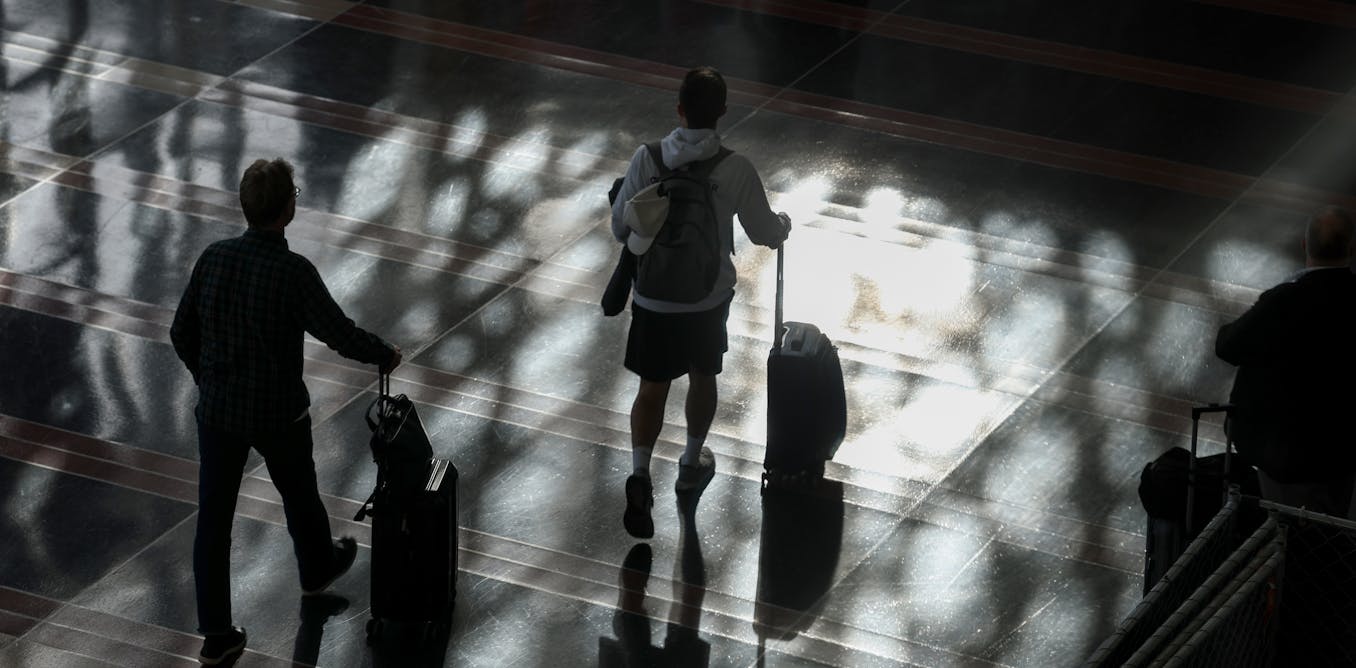
Travelers across the United States are experiencing disruptions as major airports face a 4% reduction in flights starting November 7, 2025, due to a government shutdown.
The Federal Aviation Administration initiated this measure to alleviate the workload on air traffic controllers who have been working without pay since the shutdown began on October 1. Essential personnel, including air traffic controllers, remain on duty despite the financial strain.
Curious about how this affects the average American traveler, The Conversation U.S. consulted Laurie A. Garrow, a civil aviation expert at Georgia Tech.
FAA’s Reduction Strategy
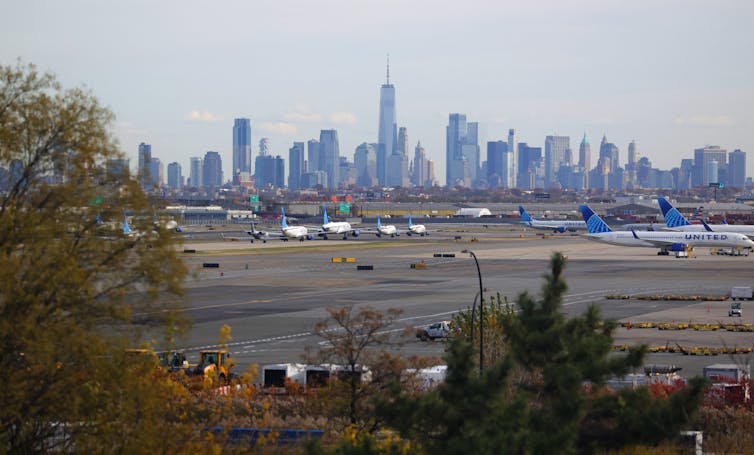
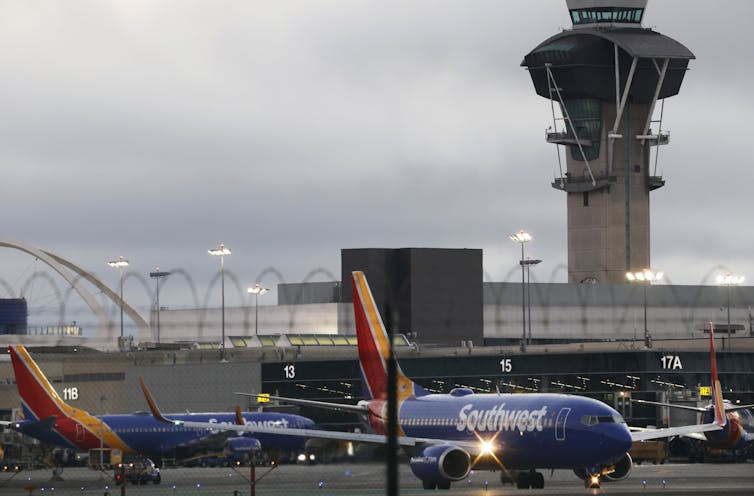
The FAA has announced a 4% cancellation rate at 40 “high-volume” airports, with potential plans to increase this to 10% by November 14 if the shutdown persists. The affected airports include key hubs like Atlanta, New York, Chicago O’Hare, Los Angeles International, and Dallas/Fort Worth. The full list of airports is accessible to the public.
The cancellations primarily target high-frequency domestic routes to minimize customer disruption. For instance, American Airlines, which typically operates nine daily flights from Miami to Orlando, is reducing this to eight. Similarly, regional flights may see reductions, such as the service from Erie, Pennsylvania, to Charlotte.
Implications for Current Flights
Flights that remain operational will likely carry more passengers, benefiting from the current lull before Thanksgiving. Although cancellations are occurring, there is enough slack in the system to accommodate passengers on alternative flights. Travelers should plan for potential delays due to ground delay programs aimed at maintaining air traffic safety standards during peak times.
Timothy A. Clary/AFP via Getty Images
Airline Industry Effects
The current 4% flight reduction is manageable for airlines, especially as it affects a balanced mix of large hub airports across U.S. carriers. However, the broader air transport sector, contributing significantly to the U.S. economy, may face longer-term challenges if disruptions persist.
Holiday Season Concerns
As the holiday season approaches, a potential increase to a 10% reduction in flights could cause significant inconvenience. This could drive changes in travelers’ choices, potentially impacting how Americans decide to travel during this period.
American Airlines CEO Robert Isom noted on November 7 that the current situation is already influencing travel decisions, with some people opting to postpone or reschedule their trips.
Passenger Compensation and Advice
Compensation for flight disruptions typically depends on the cause. While airlines aren’t obligated to compensate for delays due to ATC staffing issues, many are allowing customers to change flights or request refunds without penalties. Travelers are encouraged to stay informed through airline apps and to book with flexibility, avoiding checked luggage and connections when possible.
Mario Tama/Getty Images
Comparative Historical Events
Although there’s no direct precedent for a 4% to 10% flight reduction due to a government shutdown, significant disruptions have occurred previously, such as post-9/11 and during the COVID-19 pandemic. These events temporarily altered travel behaviors, with an increased preference for automobile travel for moderate distances.