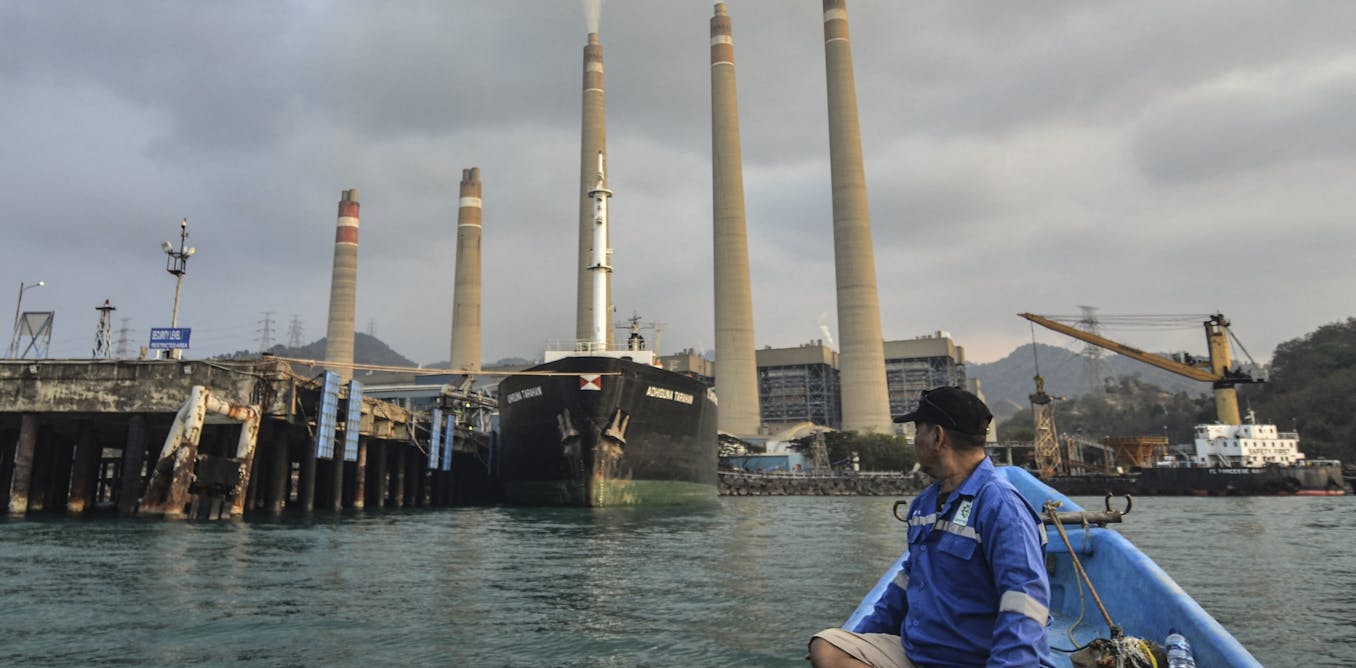
As the 30th annual United Nations climate conference commences in Brazil, a sense of urgency pervades the gathering. Global leaders, researchers, and lobbyists are grappling with the daunting reality that efforts to combat climate change are not advancing rapidly enough. World leaders and participants are under pressure to deliver meaningful progress as greenhouse gas emissions and global temperatures continue their upward trajectory.
In the absence of official representation from the U.S. government, which under the Trump administration is rolling back environmental policies and advocating for increased fossil fuel use worldwide, the U.S. is drawing criticism. Meanwhile, coal consumption is on the rise, with significant increases noted in India and China, leading to a broader conversation about the transition for coal-dependent communities.
Despite these challenges, there are indications of progress and potential solutions on the horizon.
The Dilemma of Coal
Coal remains the most polluting fossil fuel, significantly contributing to greenhouse gas emissions and posing serious health risks. However, a reduction in coal use has been identified as a key factor in the recent decline of U.S. emissions, driven by the affordability of natural gas and renewable energy.
Currently, nearly a third of countries have committed to phasing out coal-burning power plants. Nations such as Germany, Spain, and Malaysia are setting ambitious phase-out deadlines, although they still have substantial coal reserves. The Powering Past Coal Alliance exemplifies these commitments.
Governments in the European Union and Latin America continue to lead the charge in reducing coal dependency, with the EU reporting a decline in greenhouse gas emissions.
Progress and Hurdles
Globally, the transition from coal is a mixed picture. On the positive side, renewable energy deployment is accelerating, with over 90% of new electricity capacity in 2024 coming from clean sources. However, the rapid increase in energy demand means that renewables often supplement rather than replace fossil fuels.
-
China, burning more coal than any other country, continues to construct new coal plants. Yet, it is also a leader in renewable energy investment, furthering solar and wind power development both domestically and internationally.
-
While some U.S. and European policies face backlash, many countries persist in implementing emissions reduction strategies.
Meeting the climate goals of the 2015 Paris Agreement requires a swift reduction in fossil fuel use, yet current efforts are falling short.
A Just Transition for Coal Communities
The transition from coal raises concerns about the socio-economic impacts on coal-dependent communities. Historical examples, such as the decline of British coal communities in the 1980s, highlight the potential for long-term economic downturn if transitions are not managed carefully.

Per-Anders Pettersson/Getty Images
Countries phasing out coal are seeking to ensure a just transition for affected communities by investing in retraining programs, infrastructure, and economic development.
Solutions are Available
Renewable energy technologies present a viable alternative to coal, with the added benefit of reducing health risks associated with coal mining and burning. Addressing political and regulatory challenges, expanding renewable energy infrastructure, and aiding developing countries with financing are crucial to expanding clean energy access globally.