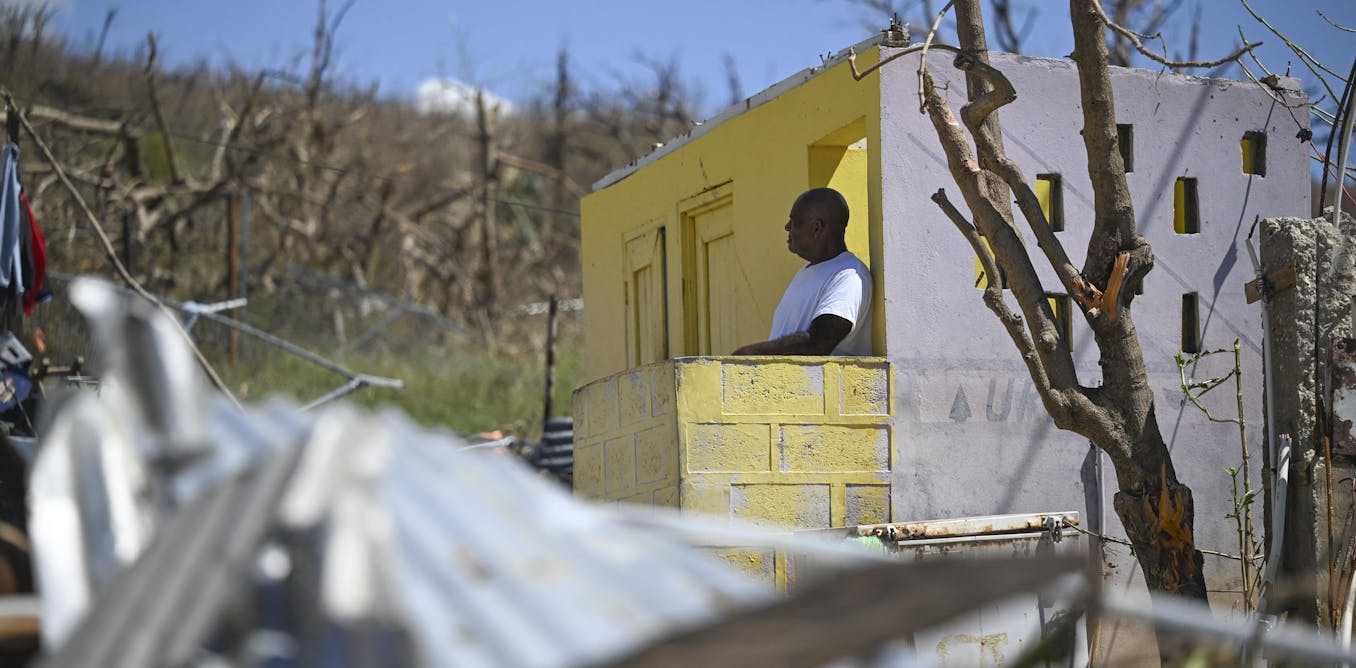
As Hurricane Melissa, a Category 5 storm, wreaked havoc across the Caribbean in October 2025, the affected regions were not just grappling with the immediate destruction. Instead, they were facing the compounded challenges of recurring disasters. This storm ravaged Jamaica, Cuba, and Haiti, countries still recovering from previous storms.
Jamaica, still healing from the blow of Hurricane Beryl in July 2024, saw its agricultural hub in St. Elizabeth devastated again. With 45,000 farmers affected and damages estimated at $15.9 million, the island was in the throes of rebuilding when Melissa struck.

Ivan Shaw/AFP via Getty Images
Cuba’s situation was equally precarious. After Hurricane Oscar caused a power grid collapse in 2024, leaving millions without electricity, Melissa’s arrival further strained the barely recovered infrastructure.
Haiti’s challenges were compounded by years of political unrest, gang violence, and health crises, such as cholera outbreaks. Over half of its population required humanitarian assistance even before Melissa hit, exacerbating the nation’s vulnerability.
The Caribbean is caught in a cycle where disasters exacerbate pre-existing vulnerabilities, leading to infrastructure failure, economic debt spirals, and social disintegration.
The Cycle of Compound Disasters
Research into Caribbean disaster responses reveals that these islands are trapped in a loop of recurring shocks, with recovery times shorter than the intervals between major storms.
Infrastructure Breakdown: Hurricanes hitting fragile systems lead to cascading failures, as witnessed in Grenada after Beryl and Dominica after Maria. Power outages can cripple water, communication, and health services simultaneously.
Economic Debt Spirals: Countries often deplete reserves on recovery and face subsequent disasters while still managing debt. This cycle leads to ballooning debt and reduced creditworthiness, as seen with Hurricane Ivan’s impact on Grenada, which cost over 200% of its GDP.
Social Erosion: The human toll is severe, with migration trends post-disasters like Maria showing significant population declines in affected areas, such as Puerto Rico and Dominica. These shifts weaken community resilience and exacerbate trauma.

Ricardo Makyn/AFP via Getty Images
The interconnectedness of these challenges means that each disaster intensifies the others, locking countries in an ongoing crisis cycle.
Reimagining Recovery
For Caribbean islands, continuous rebuilding is the new normal, with recovery operations starting before the previous ones conclude. The challenge lies in constructing resilient systems atop unstable foundations left by earlier catastrophes.
The pressing issue isn’t whether Jamaica can recover post-Melissa, but whether it can withstand future storms before completing current recovery efforts.
To escape this trap, recovery models must shift from crisis response to adaptive strategies that consider the chronic nature of these challenges.
Charting a New Path
The persistence of the compounding disaster trap underscores the inadequacies of current recovery frameworks, which apply generic solutions to layered crises.
Breaking this cycle demands adaptive recovery strategies from the local to the global level.

Ricardo Makyn/AFP via Getty Images
Individual and Community Support: Beyond infrastructure, recovery involves addressing trauma, with measures like cash assistance and community-based mental health support offering relief and restoring autonomy.
Community resilience can be bolstered by empowering local networks, such as farmer cooperatives and neighborhood associations, which play crucial roles in rebuilding social trust and participation.
Resilient Infrastructure Solutions: The cycle of rebuilding vulnerable infrastructure only to see it destroyed again must end. Communities need sustainable designs that withstand future storms.

Ricardo Makyn/AFP via Getty Images
Global Financial Reform: Recovery cannot remain dependent on high-interest loans. International financial institutions and development lenders must create frameworks that allow affected nations to recover without falling deeper into debt.
The current international disaster finance system relies on post-disaster loss verification before aid distribution, leading to significant delays. A shift to pre-emptive and assured funding mechanisms would streamline recovery efforts.
Rethinking Global Support
A global system providing proactive support and committing to pre-arranged funding could transform disaster recovery. The experiences of Jamaica, Cuba, and Haiti serve as early warnings of the challenges that coastal and island communities worldwide might face as climate change accelerates.