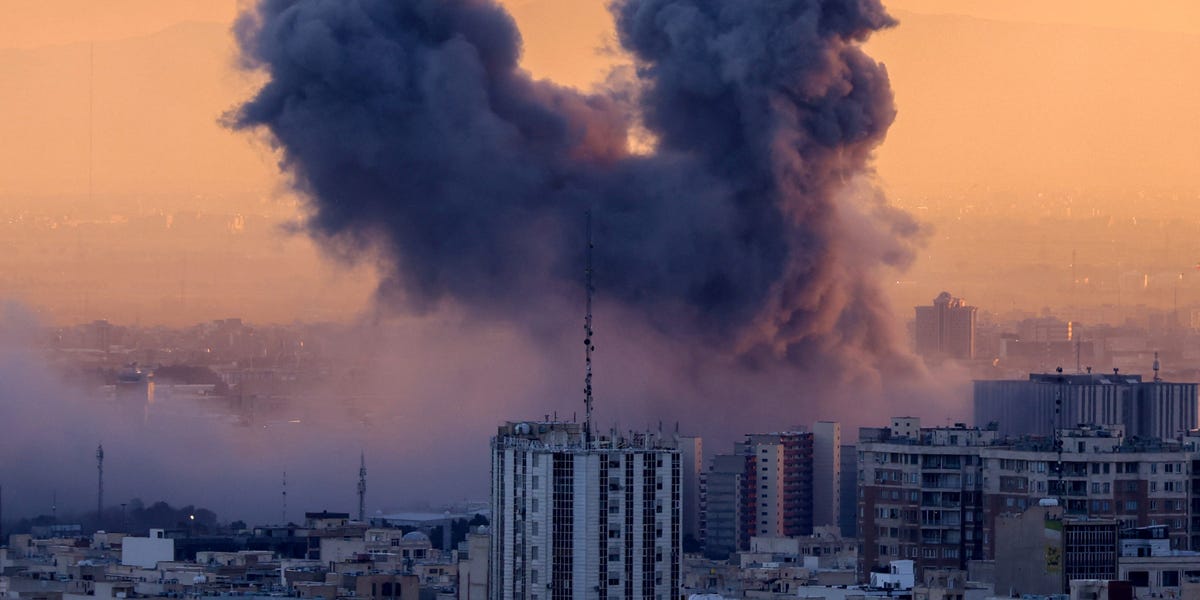
As conflict continues to unsettle the Middle East, the region faces a long road to recovery. Although the war has only persisted for 43 days, the repercussions are expected to linger for many years.
On CBS News’ “Face the Nation,” Kristalina Georgieva, the International Monetary Fund’s director, remarked on the already significant economic impact of the Iran conflict, stating it is “baked” into the economy.
The conflict’s toll on the energy sector includes immobilized tankers, extensive damage to energy infrastructure across the Gulf, and missile and drone assaults on Qatari gas fields, which may require years for full restoration. Georgieva commented, “We are going to see some drag of this crisis over the year, but if we have peace, of course, conditions are likely to improve faster.”
Optimism for peace emerged when President Donald Trump announced a temporary ceasefire with Iran, as detailed in a ceasefire deal. This development soothed investor concerns about prolonged conflict, potential oil price hikes, and possible US recession.
The financial markets responded with relief, as stocks rose and both bond yields and oil prices decreased. Brent crude oil settled at $94.50 per barrel, while West Texas Intermediate closed at $95.98.
However, by Sunday, the situation shifted as negotiations collapsed. Trump announced a blockade of the Strait of Hormuz, a critical shipping passage, causing oil prices to exceed $100 per barrel when markets reopened in New York.
In a post on Truth Social, Trump declared, “Effective immediately, the United States Navy, the Finest in the World, will begin the process of BLOCKADING any and all Ships trying to enter, or leave, the Strait of Hormuz.”
The ongoing conflict has significantly affected gas prices, which soared to an average of $4 a gallon at the end of March.