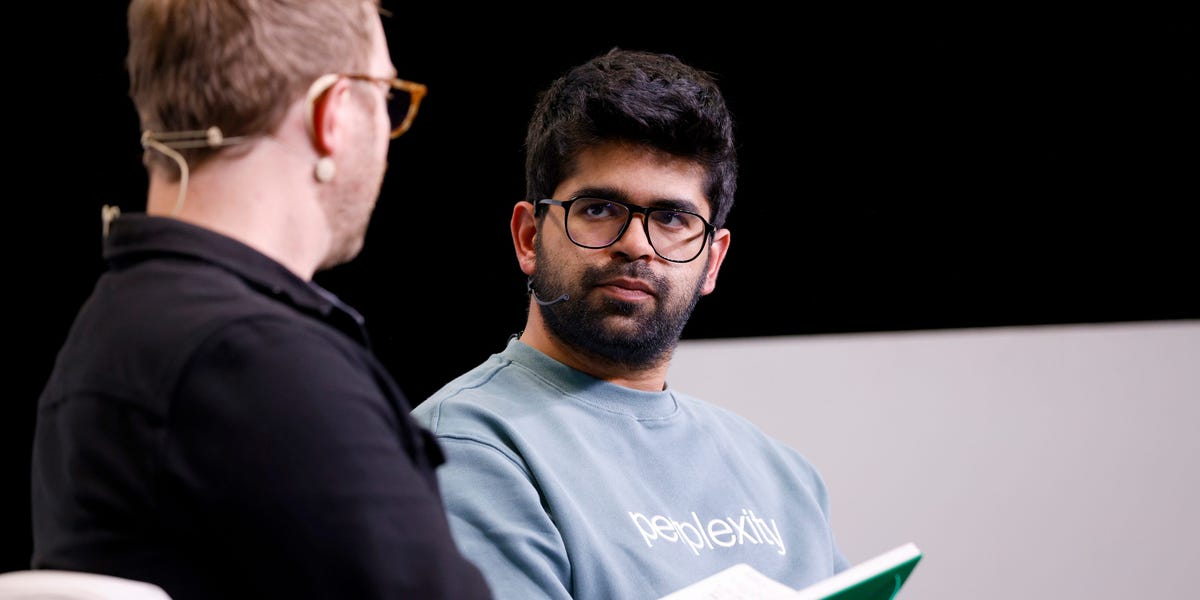
In the fast-paced world of tech startups, originality is a precious commodity, but entrepreneurs should be prepared for their innovations to be emulated. Aravind Srinivas, CEO of Perplexity, has offered some candid advice for those venturing into this competitive landscape.
During a session at Y Combinator’s AI Startup School, Srinivas emphasized the inevitability of larger companies replicating successful ideas. He noted that when Perplexity first launched its chatbot with web-crawling capabilities, it wasn’t long before similar features appeared in products from OpenAI, Anthropic, and Google.
Srinivas addressed a diverse audience of students, ranging from undergraduates to Ph.D. candidates, urging them to “work incredibly hard” while acknowledging the likelihood of facing imitation from industry giants.
“If your company is something that can make revenue on the scale of hundreds of millions of dollars or potentially billions of dollars, you should always assume that a model company will copy it,” Srinivas stated.
He explained the rationale behind such corporate behavior: “They raise like tens of billions or close to 50 billion and they need to justify all that CapEx spend, and they need to keep searching for new ways to make money.”
Perplexity, which was created as an “answer engine,” aimed to deliver accurate answers through web searches, setting it apart from other chatbots that relied solely on pre-existing training data. Released in December 2022, Perplexity’s engine was soon followed by Google’s Bard, now known as Gemini, and later by ChatGPT and Anthropic’s internet-search-capable Claude.
Perplexity’s head of communications, Jesse Dwyer, expressed concerns about the challenges posed by larger companies, stating that they would “do everything they can to drown your voice.”
In a bold move, Perplexity launched its Comet browser on July 9. Meanwhile, OpenAI was reportedly developing a browser to compete with Google Chrome, according to Reuters.
Dwyer commented on the competitive landscape: “Browser wars should be won by users, and if users lose Browser War III, it will be from a familiar playbook: monopolistic behavior by an ‘everything company’ forcing its product on the market.”
OpenAI has yet to respond to requests for comment regarding the statements made by Srinivas and Perplexity.