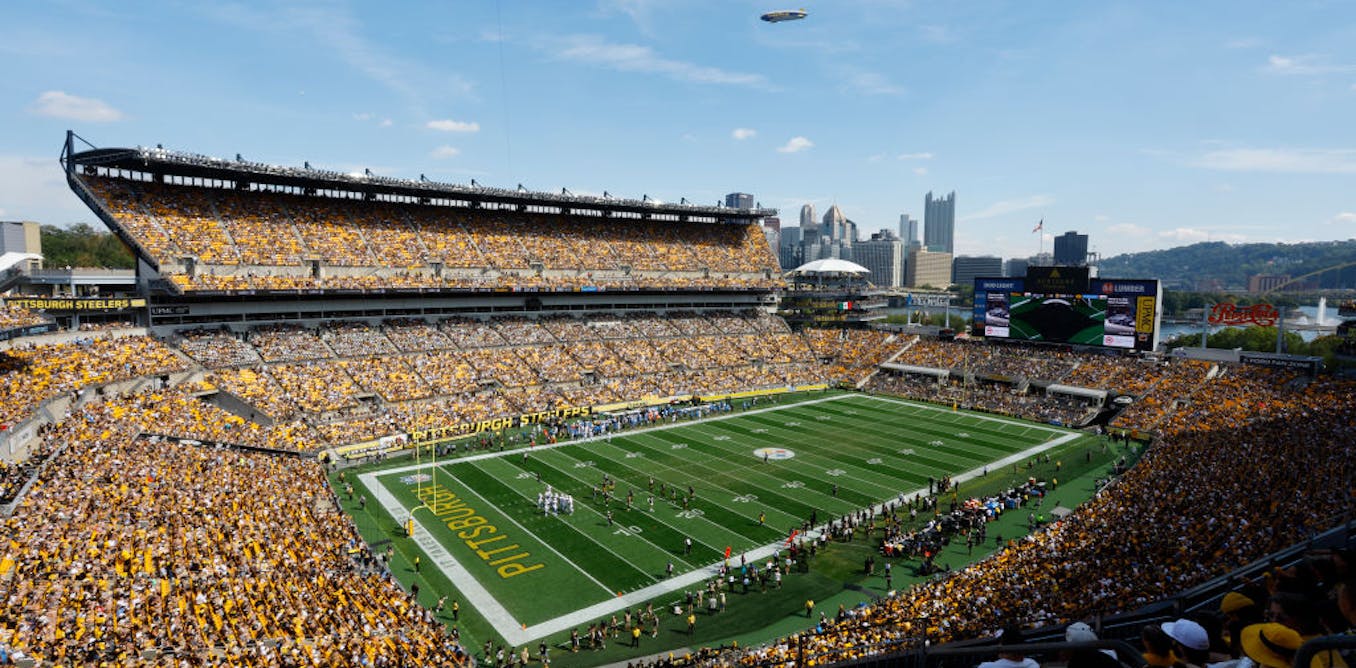
As Pittsburgh gears up to host the NFL draft in April 2026, city officials are likely to highlight the significant economic benefits experienced by previous host cities. For instance, Green Bay, Wisconsin, saw an economic boost of US$73 million in 2025. Detroit and Kansas City also reported impressive figures, with $213 million in 2024 and $164 million in 2023, respectively.
However, sports marketing researchers, like those who study the economics of celebrity endorsements, often question these short-term economic impact numbers. The concept of the “displacement effect” highlights how local residents might avoid the chaos of mega-events, merely replacing existing economic activities rather than creating new ones.
Assessing success based on temporary spikes in local revenue may miss the broader picture. Unlike short-term gains, the real value lies in enhancing brand equity—boosting the city’s long-term market value and reputation.
The Role of Endorsements
For the duration of the NFL draft, Pittsburgh will enjoy the benefits of a powerful endorsement. As attention becomes increasingly valuable, the NFL’s backing acts as a significant endorsement that can surpass any immediate financial gains.
In marketing terms, endorsements serve as signals of credibility and quality. Similar to how Tiger Woods’ endorsement of Nike golf balls significantly boosted sales, the NFL draft can enhance Pittsburgh’s image as a capable host city on the global stage.
The NFL’s choice of Pittsburgh sends a message that the city is a prime destination, ready to handle a major event. This offers a chance for Pittsburgh to redefine itself, shedding its outdated “Rust Belt” image and emphasizing its evolution into a center for robotics, healthcare, and higher education.
Detroit, for instance, used the 2024 draft to counter narratives of urban decay and showcase city investments, resulting in a more modern perception of the city. Similarly, Kansas City experienced a surge in population growth after hosting the 2023 draft.
NFL Draft’s Influence on Local Recruitment
The draft’s impact could extend beyond immediate economic benefits, affecting recruitment at nearby universities. As universities navigate the changing landscape of college sports, including name, image, and likeness policies (NIL), hosting the draft might create a “halo effect” that boosts the perception of regional football programs.
For prospective recruits, seeing the NFL draft in Pittsburgh could reinforce the city’s status as a hub for football talent. This is particularly relevant for universities like the University of Pittsburgh, Penn State University, and West Virginia University.
As ESPN broadcasts will likely showcase local talents such as Penn State quarterback Drew Allar, the exposure can elevate the region’s football programs, enhancing their appeal to high school recruits.
Furthermore, the University of Pittsburgh could directly benefit, with players like linebacker Kyle Louis and running back Desmond Reid exemplifying the school’s track record of producing NFL talent.
Nonetheless, hosting such an event comes with challenges. Any logistical failures or poor fan experiences could tarnish the city’s reputation rather than enhancing it. For Pittsburgh, ensuring a seamless event could solidify its status as a prominent player on the national stage.