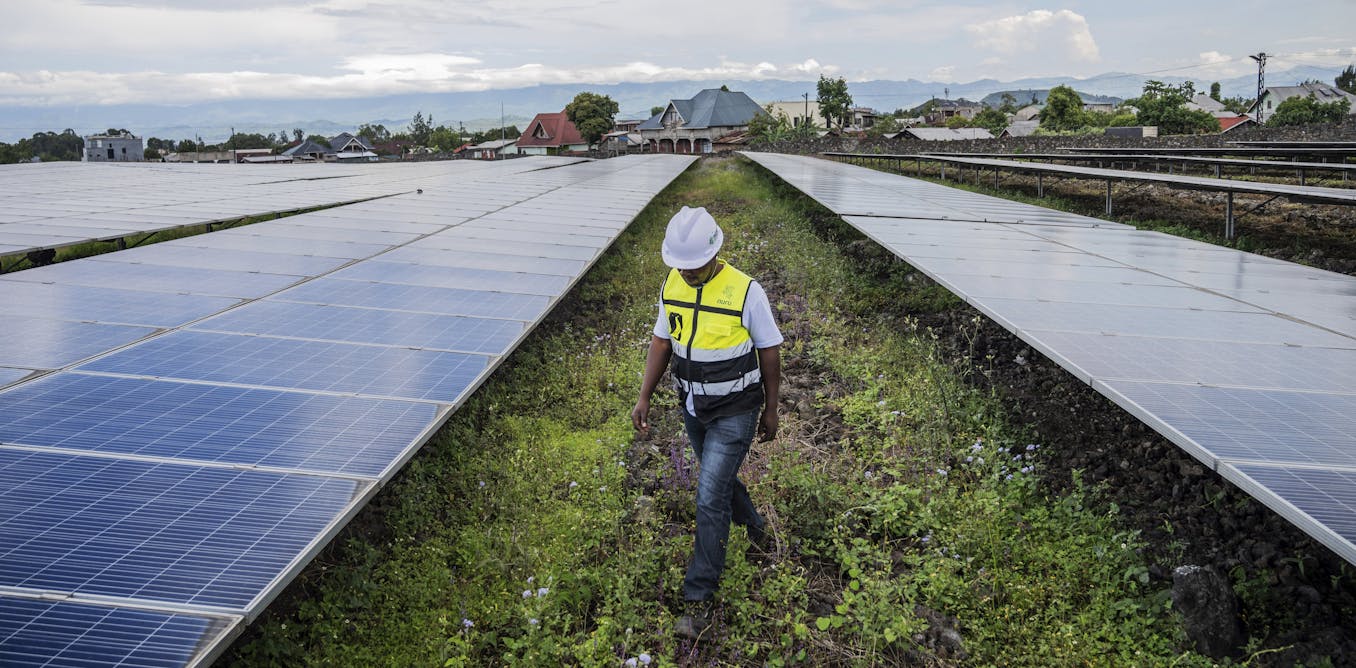
The global shift towards renewable energy is gaining momentum, challenging the long-held dominance of fossil fuels. A decade ago, coal and natural gas were the go-to options for increasing electricity demand. Today, solar and wind power stand out as not only environmentally friendly but also economically viable choices.
Renewable energy sources like solar and wind have become cheaper alternatives to fossil fuels on a utility scale, offering health benefits by reducing harmful emissions. However, the expansion of these energy projects faces obstacles, particularly in rapidly developing nations. According to Jay Gulledge, an expert in energy and climate solutions, international collaboration could address these challenges and promote renewable energy growth.
Economic Advantages of Renewable Energy
Over time, the cost of solar and wind power has decreased significantly, making them more affordable than coal and natural gas for large-scale electricity production. This shift in energy economics resulted in a global savings of US$467 billion in 2024 due to avoided fuel costs.
Data from the International Renewable Energy Agency reveals that more than 90% of new global electricity capacity in 2024 originated from clean energy. By the end of the year, renewable sources constituted 46% of the worldwide installed electric power capacity, with an addition of 585 gigawatts, approximately three times Texas’s total generating capacity.
Health Implications of Renewable Transition
Switching from fossil fuels to renewable energy not only makes economic sense but also benefits public health. The combustion of coal, oil, and natural gas releases pollutants, contributing to an estimated 5 million deaths worldwide annually, as reported in 2019.
For instance, natural gas usage in households can emit benzene, a known carcinogen. This exposure poses health risks comparable to secondhand smoke. Furthermore, gas stoves are linked to about 12.7% of childhood asthma cases in the U.S.
Fossil fuels also significantly contribute to greenhouse gas emissions, which exacerbate climate change, leading to higher global temperatures and increased health risks. Transitioning to electrified buildings and vehicles powered by renewable energy can mitigate these effects.
Challenges in Renewable Energy Adoption
Despite the clear advantages, regulatory hurdles, political stalemates, and insufficient investment impede renewable energy’s progress. In the U.S., energy project approvals average 4.5 years, while transmission line permits may take over a decade, slowing down solar power projects.
The proposed 2024 Energy Permitting Reform Act aimed at expediting approvals did not pass. Senator Joe Manchin criticized it as “just another example of politics getting in the way of doing what’s best for the country.”
Emerging economies face even greater challenges as they strive to meet increasing energy demands. The International Energy Agency predicts that these economies will account for 85% of the additional electricity demand from 2025 to 2027. However, financing renewable energy remains expensive due to higher borrowing costs compared to fossil fuels.
Financial Barriers in Developing Countries
Renewable energy projects in developing countries often face higher financing costs, making them more expensive upfront despite having lower lifetime costs. In contrast, fossil fuel projects benefit from established financial mechanisms that mitigate lender risks.
To make renewable projects more appealing to investors, governments and international development banks can stabilize energy policies and provide financial assurances. Effective risk management can significantly reduce interest rates, making renewable energy a more cost-effective option.
For developing economies to embrace the renewable energy transformation and avoid long-term fossil fuel dependence, international cooperation is crucial. This will help lower the costs associated with financing renewable energy projects and contribute to reducing global greenhouse gas emissions.
Future Prospects
Global efforts to cut greenhouse gas emissions are essential to mitigate climate change’s adverse effects. With renewable energy becoming increasingly affordable, transitioning to these cleaner sources can significantly reduce emissions from the power sector.
While renewable energy can address a substantial portion of emissions, other sectors such as steel, cement, and agriculture require further innovation for decarbonization. Good governance and political support, coupled with accessible financing, are key to achieving these climate goals and realizing the economic and health benefits of renewable energy.