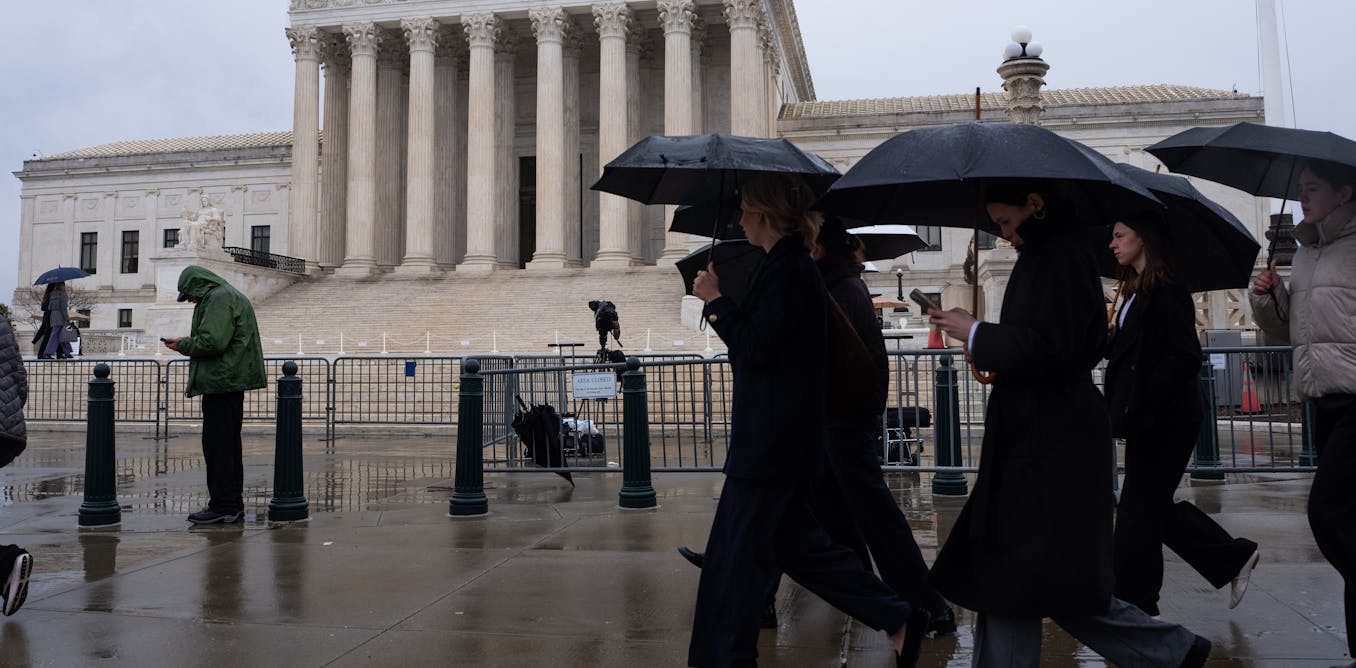
In a significant legal development, the U.S. Supreme Court has curtailed President Donald Trump’s ability to impose tariffs, a central component of his trade strategy. With a 6-3 decision, the court invalidated Trump’s extensive use of the International Emergency Economic Powers Act of 1977 for tariff imposition, deeming it unconstitutional. This decision significantly restricts the president’s leverage in trade negotiations with other countries.
Since January 2025, Trump had utilized the Act to enact tariffs on a broad array of countries. However, the Supreme Court’s ruling on February 20, 2026, emphasized that the president’s actions lacked the necessary congressional authorization, a sentiment echoed by several justices during oral arguments. As a result, questions surrounding the legality of these tariffs have been both answered and complicated further.
Specific Tariffs Deemed Unlawful
The court’s decision impacts several significant tariffs, including the “reciprocal” tariffs, which ranged from 34% on Chinese goods to a baseline of 10% for other countries. Additionally, a 25% tariff on imports from Canada, China, and Mexico, intended to penalize these nations for their alleged failure to limit fentanyl flows into the U.S., has also been nullified. The elimination of these tariffs is expected to revert U.S. tariff schedules to pre-April 2, 2025, levels, which Trump had dubbed “liberation day”.
Legal Grounds for the Court’s Decision
The Supreme Court found that the International Emergency Economic Powers Act does not explicitly permit unilateral tariff imposition. This was a pivotal argument in their ruling. Unlike other statutes that offer clear guidelines for tariff imposition, the Act lacked such specific language. The majority opinion, comprising both liberal and conservative justices, highlighted that Trump’s actions overstepped the powers defined under Article 1, Section 8, of the U.S Constitution. The decision also pointed out that the tariffs represented an unauthorized exercise of presidential power to tax, a power reserved for Congress.
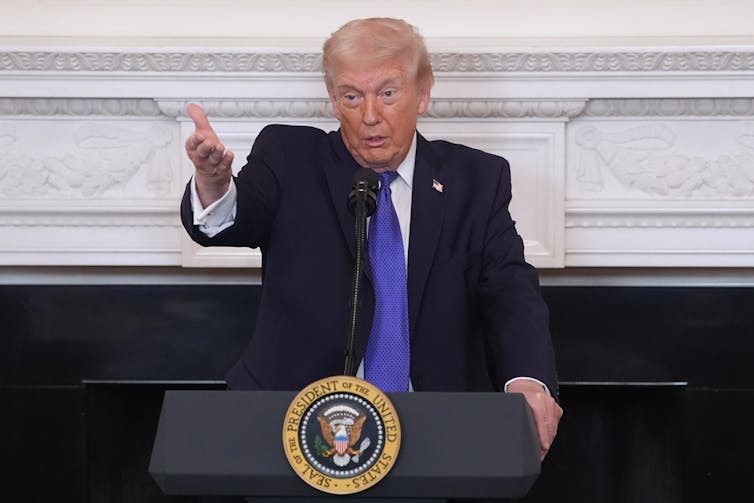
AP Photo/Evan Vucci
Impact on Current Trade Agreements
The decision disrupts Trump’s strategy of using tariffs as a negotiating tool for bilateral trade agreements. Countries may now seek to renegotiate deals made under the now-invalidated tariffs. The ruling does not affect all tariffs, such as those imposed under Section 232 for national security or Section 301 for unfair trade practices.
Future Tariff Strategies
Trump’s frequent use of tariff threats for political purposes, like pressuring Mexico over immigration or Brazil regarding its former president’s prosecution, faces new limitations. The Supreme Court’s decision establishes constitutional constraints on presidential tariff powers. Alternative avenues for imposing tariffs include Sections 232 and 301, although these require specific conditions and congressional approval. The likelihood of Congress expanding presidential tariff powers in an election year appears slim.
Refunds and Political Implications
The ruling leaves open the question of tariff refunds, although many U.S. companies intend to seek them. Companies with documentation of tariff payments may potentially claim refunds if the Supreme Court approves such a remedy. Politically, the decision’s impact on Trump’s trade policy could influence the upcoming midterm elections. Public disapproval of Trump’s tariffs and potential Republican opposition from border states may further constrain his tariff strategies. For more information on public sentiment, visit this Pew Research article.