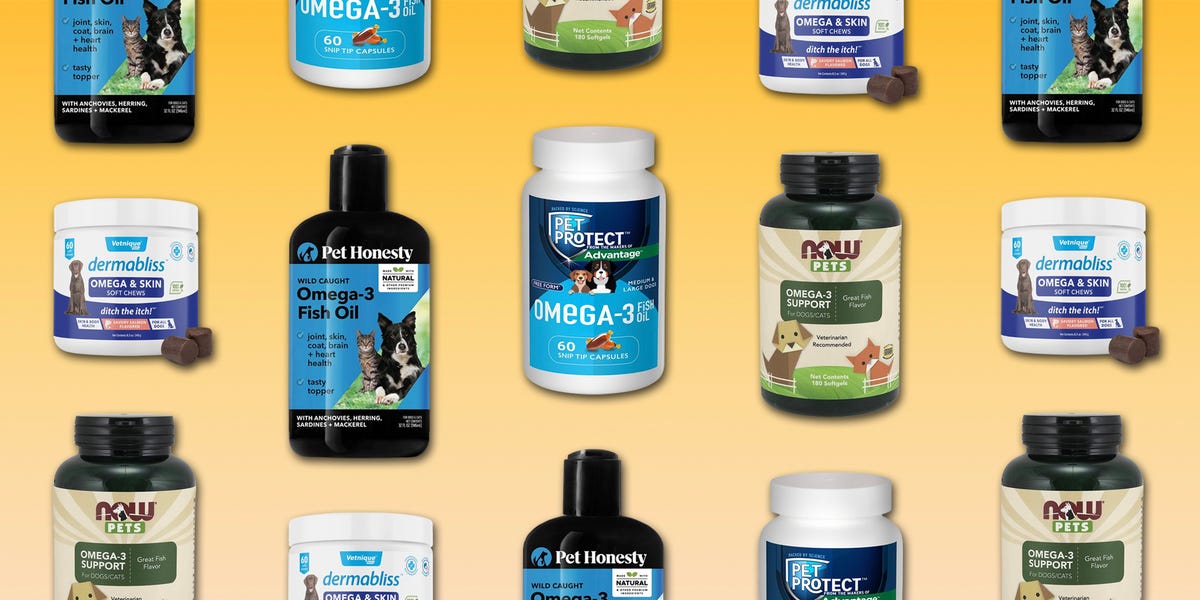
Fish oil supplements for dogs are gaining traction for their potential to enhance canine health. Research highlights their benefits in areas such as joint health, skin conditions, and cardiovascular function. Moreover, these supplements might even improve trainability in puppies, according to Dr. Emily Luisana, a veterinary nutritionist.
To identify the best fish oil supplements for dogs, insights from veterinarians and experts from the National Animal Supplement Council (NASC) were sought. After assessing various forms like liquids, softgels, and chews, Pet Honesty Wild Caught Omega-3 Fish Oil emerged as the top choice. This liquid supplement is praised for its high DHA and EPA content, derived from wild-caught fish known for lower toxin levels.
Criteria for Selecting Dog Fish Oil Supplements
Experts helped establish rigorous criteria for evaluating fish oil supplements for dogs. Products were scrutinized based on omega-3 content, including EPA and DHA levels, source of fish oil, additional ingredients, and third-party certifications. Customer feedback and practical considerations such as flavor, size, and cost also influenced the final recommendations.
Top Fish Oil Choices for Dogs
Best overall: Pet Honesty Wild Caught Omega-3 Fish Oil – See at Amazon
Best softgels: Pet Protect Free Form Omega-3 Fish Oil – See at Chewy
Best budget: Now Pets Omega-3 Support for Dogs and Cats – See at Chewy
Best chews: Vetnique Labs Dermabliss Omega and Skin Soft Chews – See at Chewy
Why Pet Honesty Omega-3 Fish Oil Stands Out
The leading choice, Pet Honesty Wild Caught Omega-3 Fish Oil, offers liquid dosing for precision and boasts a high concentration of omega-3s. It contains at least 100 mg more combined EPA and DHA than competitors, sourced from anchovies, herring, sardines, and mackerel. Its third-party verification ensures purity and potency, and its purification process minimizes odor.
Considerations for Choosing Fish Oil for Dogs
When selecting a fish oil supplement, focus on omega-3, EPA, and DHA concentrations. Luisana advises opting for supplements with at least 225 mg of DHA and EPA per mL or capsule. The source of the oil, ideally from wild-caught small fish, should also be specified to avoid toxins. Be cautious of harmful additives such as xylitol or unwanted vitamins, and look for third-party certifications like NASC.
Various formats, including liquids, softgels, and chews, offer flexibility in administration. It’s essential to consider the caloric content of supplements and adhere to correct dosage instructions, ideally provided by a veterinarian. Packaging should be opaque and airtight to preserve the integrity of the oil.
FAQs on Fish Oil for Dogs
Is fish oil good for dogs?
Yes, fish oil can benefit dogs with various health conditions, including inflammatory and skin diseases, arthritis, renal, and heart disease.
What is the best fish oil to give a dog?
The best fish oil is one recommended by your veterinarian, with clear labeling of omega-3 content and reputable certification.
Is human fish oil safe for dogs?
While technically possible, it’s not advisable to give dogs human fish oil due to differing formulations and potential harmful ingredients.
Is salmon oil or fish oil better for dogs?
Both can be beneficial, but the key is ensuring the oil is sourced from wild-caught small fish and contains adequate EPA and DHA levels.
How long does fish oil take to work on dogs?
Visible improvements in skin and coat may take weeks, while other benefits might require veterinary assessment.