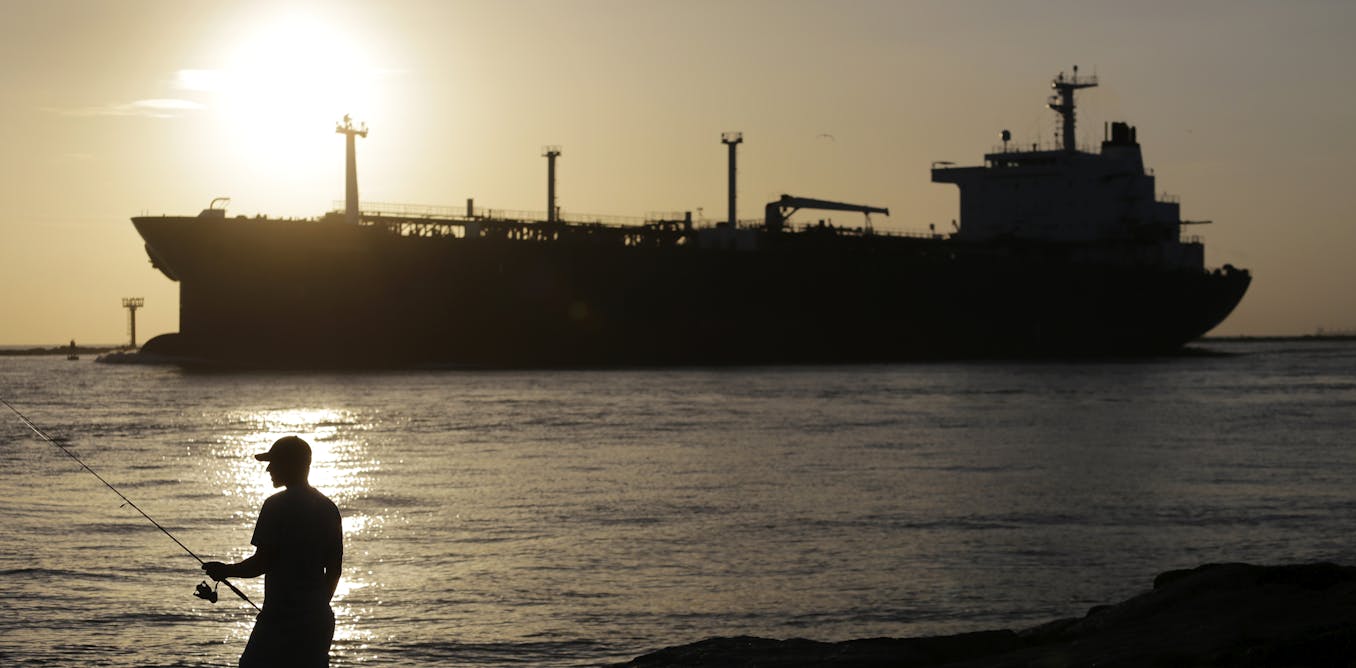
In a move aimed at alleviating the pressure of increasing gasoline prices, the Trump administration announced the temporary suspension of the Jones Act on March 18, 2026. This decision comes as U.S. drivers face escalating fuel costs, but why does this nearly 100-year-old legislation play such a crucial role in today’s economy?
The Merchant Marine Act of 1920, commonly referred to as the Jones Act, has long governed maritime commerce in U.S. waters and between U.S. ports. A key provision of this act restricts foreign vessels from transporting goods between domestic ports, a measure originally intended to protect and promote the American shipping industry and ensure national security.
Understanding the Jones Act
Under the Jones Act, only U.S.-flagged ships, built and owned by U.S. citizens and crewed predominantly by Americans, can engage in domestic shipping. This rule was designed to bolster the nation’s maritime capabilities for both economic and defense purposes, as well as to safeguard American jobs from foreign competition.
While it supports the U.S. shipbuilding sector, critics argue that the act also hinders free trade. The cost of American-built ships is significantly higher – sometimes as much as five times more – compared to their foreign counterparts. This has resulted in a reduced fleet of U.S. ships available for domestic trade, thereby increasing transportation costs.
AP Photo/Lindsey Wasson
Analyzing the Benefits and Drawbacks
Supporters of the Jones Act argue that it provides essential economic benefits, including the protection of American jobs and the shipbuilding industry, while contributing significantly to national security and economic stability. However, detractors highlight the act’s role in escalating the cost of goods transported between U.S. ports, especially in areas like Alaska, Hawaii, and Puerto Rico.
By restricting competition and increasing the cost of building ships domestically, the Jones Act has inadvertently led to higher shipping costs, affecting everything from consumer goods to energy prices.
Gas Price Dynamics
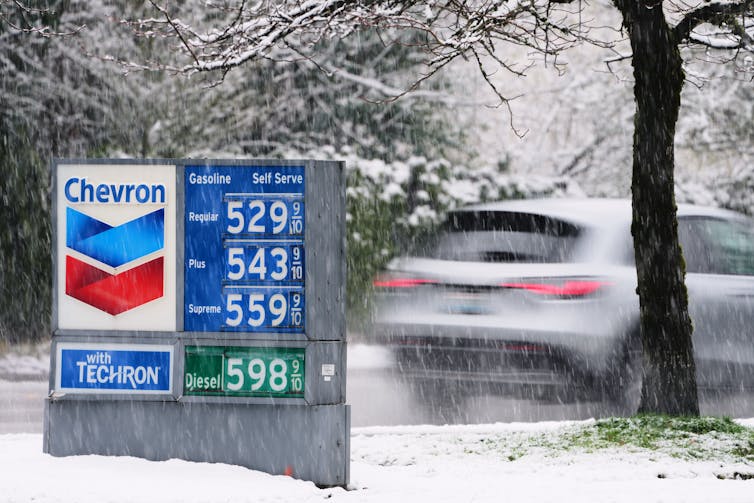
The recent surge in gas prices, spurred by geopolitical tensions following the U.S. and Israel’s military actions in Iran, saw a steep increase from $2.98 to $3.84 per gallon. Suspending the Jones Act could potentially alleviate some of this pressure by allowing foreign vessels to move oil within U.S. ports, thereby reducing transportation costs and potentially lowering pump prices over time.
Still, the effect may be limited, given the short 60-day waiver period, as the marine industry needs time to adjust. In 2022, JPMorgan analysts estimated a potential saving of about 10 cents per gallon for East Coast motorists if the act were temporarily suspended.
The Jones Act has been lifted in the past in response to emergencies, such as the aftermath of hurricanes affecting Puerto Rico or cyberattacks on critical infrastructure. However, a permanent repeal could lead to more significant reductions in fuel prices.
AP Photo/Paul Sancya
Broader Implications
The Jones Act’s influence also extends to the renewable energy sector, particularly offshore wind energy. Although offshore wind farms have the potential to provide cost-effective energy close to major consumption areas, the act’s restrictions on U.S.-flagged vessels create logistical challenges and increase costs.
Developers have managed to navigate these restrictions by using U.S. barges to transport equipment before installation by foreign vessels. Nonetheless, the act’s constraints make it more expensive to establish offshore wind farms, impacting the affordability of renewable energy.
Overall, while the temporary suspension of the Jones Act may offer some relief in specific sectors, its short duration limits any substantial impact, particularly in industries like offshore wind energy.