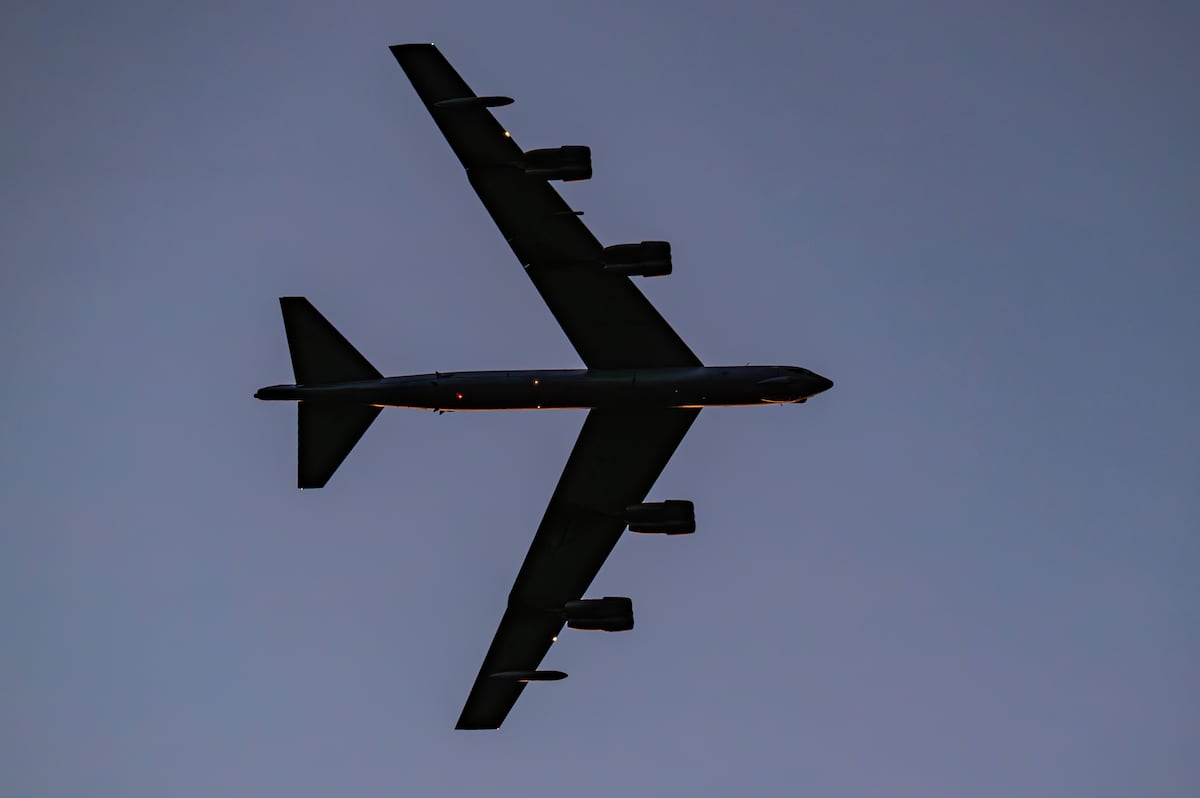
In a significant move to modernize its aging bomber fleet, the U.S. Air Force has entrusted Boeing Defense Systems with a contract exceeding $2 billion. This initiative focuses on replacing the engines of the iconic B-52H Stratofortress, a bomber that has been serving since the Cold War era. The contract, announced in December, marks a pivotal phase in maintaining the aircraft’s relevance and operational capability well into the future.
The Pentagon’s announcement on December 23 outlined the Commercial Engine Replacement Program (CERP), which tasks Boeing with equipping two B-52 aircraft with new engines and related subsystems. This will involve extensive testing and integration following the critical design review phase of the CERP program.
At the heart of this project is the ambition to extend the operational life of the Air Force’s fleet of 76 B-52 bombers. These aircraft, already more than 60 years old, could remain in service until at least the 2050s or even 2060. Achieving this would mean the B-52s would have flown for nearly a century.
The Air Force’s long-term strategy envisions a streamlined bomber fleet comprising B-52s and a minimum of 100 B-21 Raiders, manufactured by Northrop Grumman. This transformation represents the most comprehensive overhaul of the bomber force in decades.
As part of this modernization, the Air Force plans to retire its B-2 Spirit and B-1 Lancer bombers during the 2030s due to their escalating maintenance costs and challenges.
The comprehensive B-52 upgrade, estimated to cost $48.6 billion, will lead to the redesignation of the aircraft as B-52J. Key enhancements include the installation of Rolls-Royce F130 engines, a modern radar system, advanced avionics, upgraded communications, new wheels and brakes, and digital displays replacing the original analog dials.
In December, the first B-52 outfitted with an upgraded Active Electronically Scanned Array radar was flown to Edwards Air Force Base in California. The new Raytheon-made AN/APQ-188 Bomber Modernized Radar System was installed at Boeing’s facility in San Antonio, Texas, before the aircraft’s relocation to Edwards. This system promises enhanced navigation and targeting capabilities across various weather conditions.
Boeing will execute the B-52 modernization work at multiple locations, including Oklahoma City, Oklahoma; San Antonio, Texas; Seattle, Washington; and Indianapolis, Indiana. The entire project is expected to be completed by the end of May 2033.