Air Force’s Future: Drone Wingmen and Strategic Expansion
In a significant move towards future warfare strategies, the U.S. Air Force is considering the integration of Collaborative Combat Aircraft (CCA) squadrons within its Reserve and Air National Guard units. This revelation came during Gen. Kenneth Wilsbach’s confirmation hearing, where he spoke before the Senate Armed Services Committee.
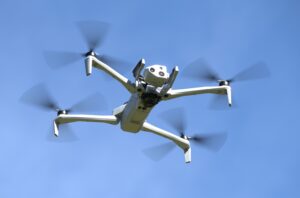
CCAs, designed to operate alongside manned fighter jets like the F-35 and the anticipated F-47, are semi-autonomous drones aimed at enhancing combat capabilities. These drones are envisioned to perform a range of functions: from striking missions and reconnaissance to jamming enemy communications and diverting enemy fire from piloted aircraft. Their introduction is seen as a strategic “force multiplier” by the Air Force, potentially reducing risks to human pilots while being cost-effective.
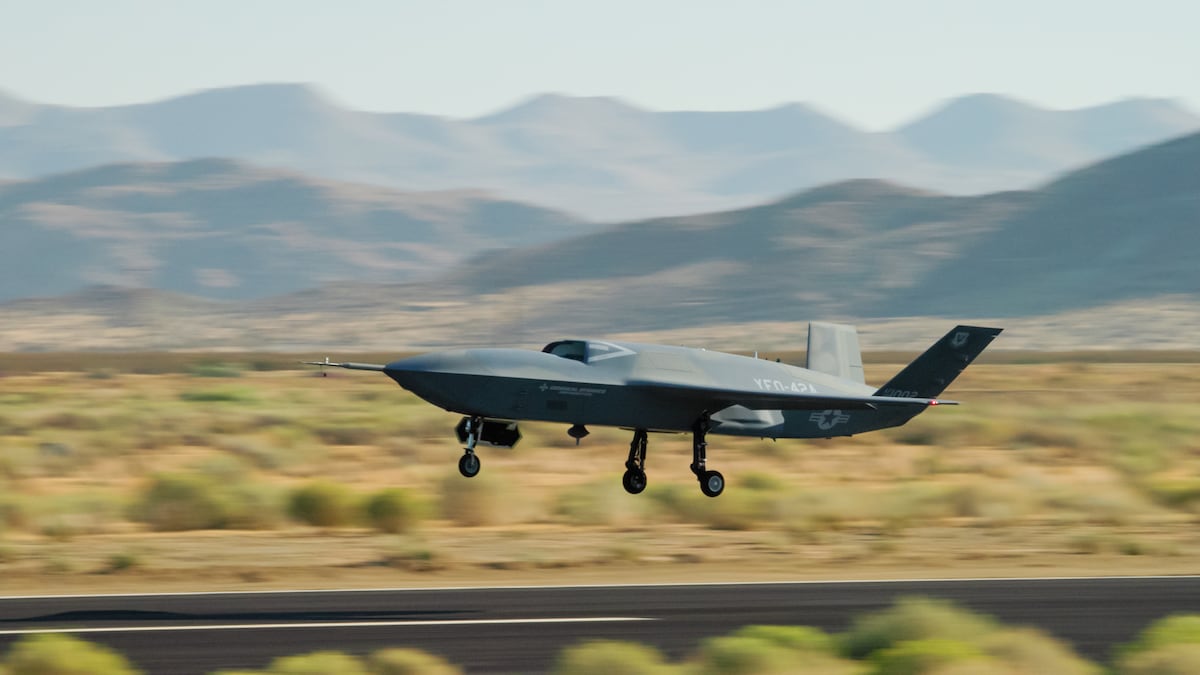
Two companies, General Atomics Aeronautical Systems and Anduril, were tasked with developing these innovative drones last year. General Atomics’ YFQ-42A has already commenced flight tests in August, with Anduril’s YFQ-44A expected to follow suit soon. Both models have undergone ground evaluations since May, marking significant progress in the CCA program.
During the Senate hearing, Sen. Gary Peters emphasized the transformative nature of CCAs, stating they are expected to “increase lethality and decrease risk to manned platforms.” Peters advocated for the deployment of this “cutting edge technology” to the National Guard, highlighting its shift from a strategic reserve to an operational force.
While optimistic about the potential of CCAs, Gen. Wilsbach noted the need for further understanding and development. He clarified that these drones would not be integrated into existing fighter squadrons but would form independent units, allowing for strategic deployment alongside manned jets. This approach offers the flexibility to position these squadrons as needed, without anchoring them to specific fighter units.
Looking forward, Selfridge Air National Guard Base in Michigan is poised to receive the KC-46A Pegasus tanker, replacing its A-10 Warthogs with F-15EX Eagle II fighters. Sen. Peters suggested that CCAs could accompany these new aircraft, further bolstering their operational capabilities.
Peters also lauded the CCA program’s adherence to schedule and budget, describing it as “a model for successful collaboration between the Air Force and industry.” The establishment of distinct CCA squadrons could enable the Air Force to deploy these assets efficiently, adapting to operational demands without being tethered to specific manned platforms.
In a strategic development, the Air Force has identified Beale Air Force Base in California as the site for the first aircraft readiness unit for CCAs. This unit aims to maintain the drones in a “fly-ready status,” ensuring rapid deployment capabilities as required.