U.S. Air Force Implements Surprise Inspections to Boost Readiness
The U.S. Air Force is ramping up its efforts to enhance combat readiness by reintroducing no-notice inspections, a move underscored by top service leaders as a critical priority. This initiative, spearheaded by Air Force Secretary Troy Meink and Gen. Kenneth Wilsbach, aims to hold commanders accountable and improve the overall operational capabilities of the force.
Speaking at the Mitchell Institute for Aerospace Studies conference in Arlington, Virginia, Lt. Gen. Scott Pleus emphasized the importance of operational readiness. “This is commanders’ business, and we’re going to hold commanders responsible for that,” Pleus stated, highlighting the shift back to decentralized control where commanders are directly accountable for their units’ performance.
The focus on readiness comes amid a backdrop of declining aircraft mission-capable rates, which have recently plummeted to 62% in fiscal 2024, marking a concerning low. The Air Force’s fleet has also been shrinking, now totaling fewer than 5,000 aircraft, which further complicates readiness challenges.
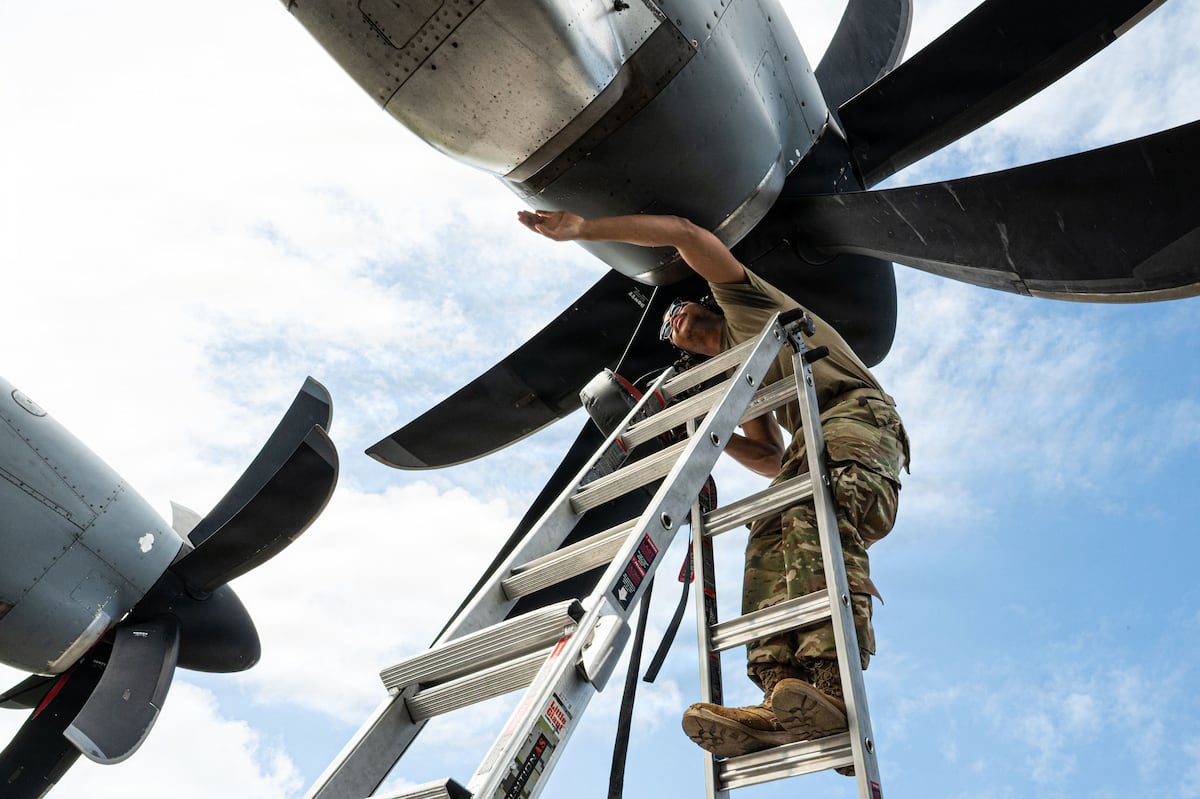
Traditionally, modernization efforts have taken precedence over maintaining current fleet readiness. However, Meink and Wilsbach are now placing a renewed emphasis on ensuring that existing aircraft are mission-ready. Pleus articulated the shift in strategy: “We’ve got to buy parts. We’ve got to have the parts available so that … maintenance folks … have the parts they need so they can fix those airplanes, and then we can get them airborne again.”
While the modernization of the fleet is not being sidelined, the Air Force is determined to balance new acquisitions with the immediate need for operational readiness. This involves collaborations with Congress and the Pentagon to secure necessary resources and skills for effective maintenance and repair of the aircraft.
Speed and efficiency are key components of the new readiness strategy. Pleus noted that Secretary Meink is advocating for streamlining bureaucratic processes in acquisitions to facilitate quicker response times across various operational areas, including training exercises and defense industry interactions. “When you don’t have any time, then you have to move at speed, and that is exactly what our secretary has asked us, and the chief has mandated that we are going to start to do,” Pleus remarked.
High standards are also a focal point for the Air Force, with an emphasis on maintaining rigorous criteria across all aspects of service, from uniform standards to tactical execution. “Everything in between is about setting a high standard, and then pushing your team to make sure that they are ready to do that high standard each and every day,” Pleus concluded.