In the closing stages of 1814, the United States faced a dire situation in the War of 1812. British forces had consistently overpowered American troops, culminating in the burning of the White House. As peace negotiations were underway, the British aimed to capture New Orleans to bolster their position. Meanwhile, Major General Andrew Jackson assembled a diverse and unconventional force to defend the city.
The Diverse Army of Andrew Jackson
Following his success at Horseshoe Bend, Andrew Jackson was tasked with defending New Orleans. His army was unlike any other, composed of Tennessee and Kentucky riflemen, Louisiana Creoles, free Black militiamen, enslaved individuals, Choctaw warriors, U.S. Marines, and even local pirates. This eclectic mix reflected the diverse society of early 19th-century America.
Initial Skirmishes in Mississippi
Although diplomatic talks were ongoing, the British hoped that capturing New Orleans would tilt negotiations in their favor. Admiral Sir Alexander Cochrane led a fleet poised to strike. However, on December 13, 1814, the U.S. schooner Sea Horse, led by Sailing Master William Johnson, engaged British forces near Bay St. Louis, Mississippi. Despite being outmatched, Johnson’s crew fought valiantly, causing damage to several British boats before scuttling their own ship to prevent its capture.
The Pirate King Sides with the Americans
Jean Lafitte, a notorious pirate operating out of Barataria Bay, was offered a generous incentive by the British to aid in their assault on New Orleans. Instead of accepting, Lafitte informed Governor William Claiborne of the British plans and offered his assistance to the Americans. Initially rebuffed, he found an ally in Jackson, who recognized the strategic value of Lafitte’s knowledge and resources.
Jackson’s Preemptive Strike
As British forces landed near New Orleans on December 23, Jackson launched a surprise nighttime assault on their camp, disrupting their plans. His troops, bolstered by diverse elements including a battalion of free men of color, forced the British into a hasty retreat, granting Jackson crucial time to fortify his defenses at Rodriguez Canal.
Final Preparations for Battle
Jackson’s forces grew as reinforcements arrived, including Tennessee and Kentucky militia and Choctaw warriors. Under martial law, every able-bodied man in New Orleans was enlisted to prepare for the impending British assault. American and pirate gunners worked side by side, strengthening the defenses that would soon be tested.
The Battle of New Orleans
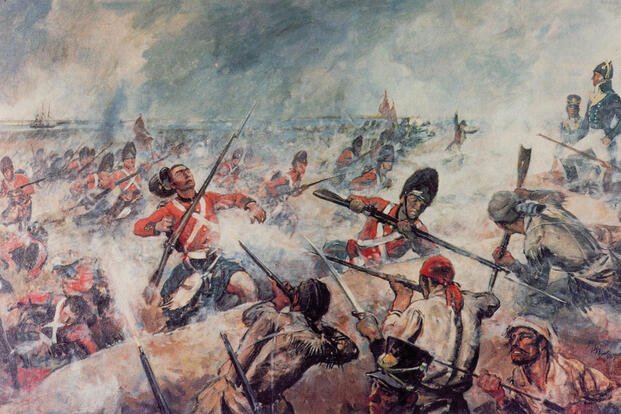
On January 8, 1815, British forces launched their final assault. Despite their experience in European campaigns, the British troops faced devastating American rifle fire as the morning fog lifted, exposing them to precise shots from Jackson’s defenders. The British suffered catastrophic losses, with over 2,000 casualties in just 30 minutes of fighting. General Edward Pakenham was killed, and the British retreat marked a decisive American victory.
A Victory During Peace
Unbeknownst to the combatants, the Treaty of Ghent, signed on December 24, 1814, had already ended the war. However, the delay in communication meant that the Battle of New Orleans was fought without knowledge of the peace agreement. The American victory bolstered national pride and marked the beginning of the Era of Good Feelings, a period of national unity.
Legacy of the Battle
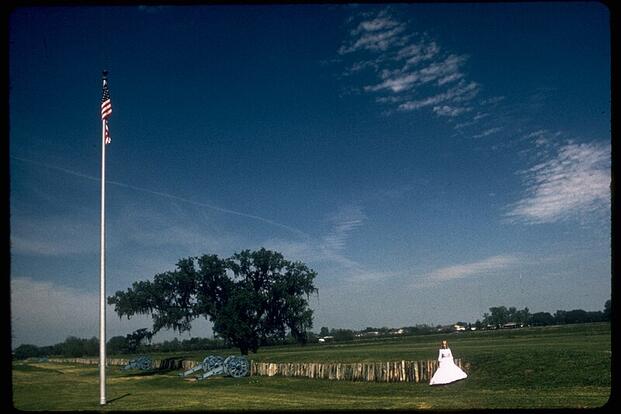
Jackson’s success in New Orleans turned him into a national hero and paved his way to the presidency. Despite the initial exclusion of Black troops from post-battle celebrations, their contributions were eventually recognized. Today, the Chalmette Battlefield, part of Jean Lafitte National Historical Park, commemorates the battle, and annual events honor the diverse defenders who stood united against British forces.