Faced with the need to adjust its force structure, the U.S. Army is taking a strategic approach to manage its aviation personnel. The goal is to reduce numbers without resorting to involuntary dismissals, as explained by Maj. Gen. Clair Gill during a recent meeting.
Maj. Gen. Clair Gill, who oversees the Army Aviation Center of Excellence at Fort Rucker, Alabama, recently stated that new talent panels are being introduced to give soldiers more control over their career decisions. These panels are not intended to immediately cause forced transfers or reductions.
“We went out to the formations and asked commanders to counsel every single soldier that was in the targeted population [where] we are over strength, and talk to them about where they are, what their goals are, what they want to do in the Army, if this is what they want to do, and if they’re looking for other things,” Gill said. “And then they created an order-of-merit list for their formations and sent that to us.”
Commanders have been tasked with discussing career aspirations with their troops, especially those in overstaffed areas. Soldiers are placed into a merit list, which is then reviewed by a panel that categorizes them into top, middle, and bottom thirds.
The commanders are then advised to use this information as a tool. “Right now, they’ll use that as a tool to say, ‘Hey, if you’re in the bottom third, you’re in the at-risk population. You might want to think about options available to you, and here’s what they look like,’” Gill explained.
Junior officers from year groups 2020 to 2023 and untracked warrant officers from 2022 to 2024 are particularly impacted by these evaluations. This realignment is part of a broader Army restructuring strategy, which includes the elimination of cavalry squadrons within the continental U.S.
Gill expressed his hope that most reductions could be achieved through voluntary moves, either within the Army or to other services. He stated that if involuntary cuts become necessary, they are not expected for at least a year, coinciding with the Army’s target to complete these changes by fiscal 2027.
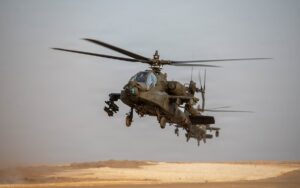
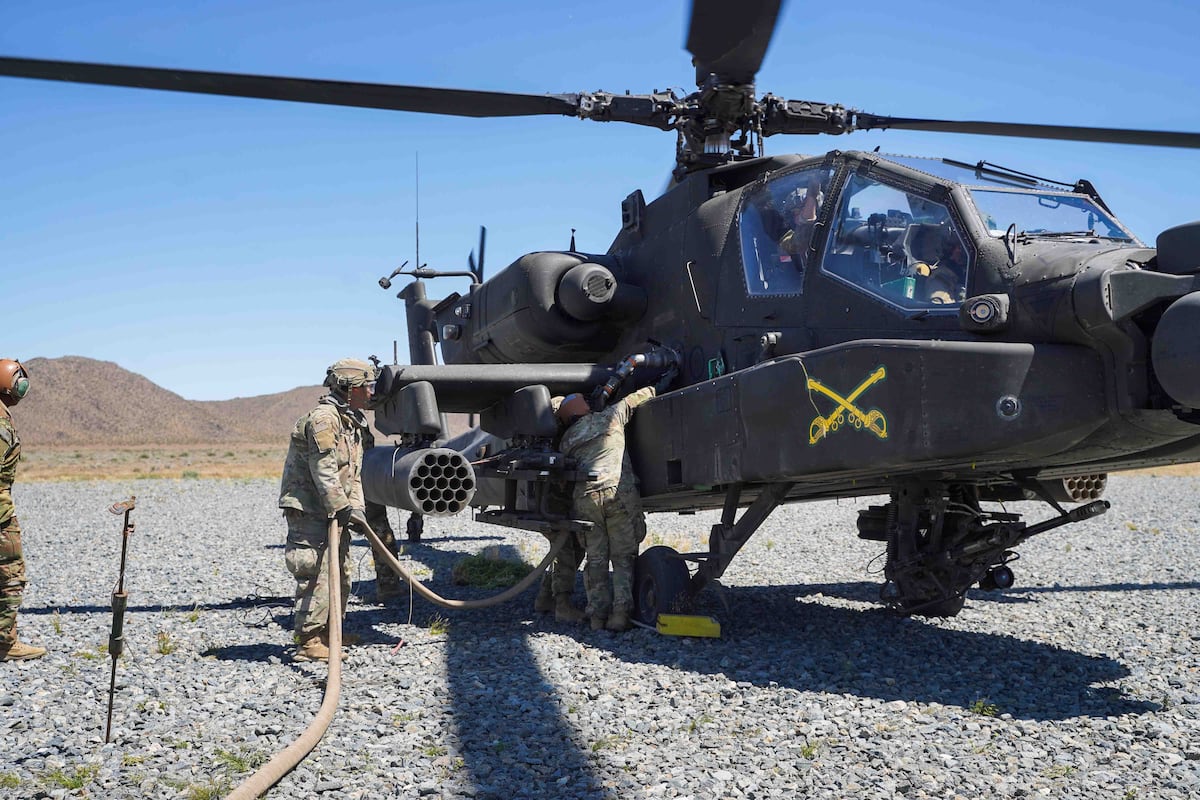
While specific reduction goals are modest, the Army is exploring other methods to reposition soldiers. Overstaffing certain units, such as attack battalions, is one strategy being considered to enhance readiness and maintenance, particularly for AH-64 Apache squadrons.
“Bottom line, the Army has a structure for all these people. So if we can align them with something that they’re interested in, now they’re going to have to compete, right? So they’re going to compete with everybody else that wants to go do that job,” Maj. Gen. Gill noted. This competitive approach aims to minimize difficult decisions regarding personnel cuts.
As part of the broader plan, soldiers are being encouraged to explore careers in unmanned aviation, an area where the Army is expanding its capabilities. Gill highlighted that Apache mechanics could transition effectively into roles such as tactical unmanned aircraft systems operators.
“So yes, initially, we want to solve our own challenges, and then we want to proliferate talent around the Army, where there’s a need and they want to serve,” Gill remarked, emphasizing the Army’s commitment to optimizing its talent pool.