The digital age has ushered in new challenges for the U.S. Army, as foreign adversaries increasingly exploit online platforms to target American soldiers. Amidst this ever-evolving threat landscape, the Army’s counterintelligence efforts are intensifying to safeguard national security.
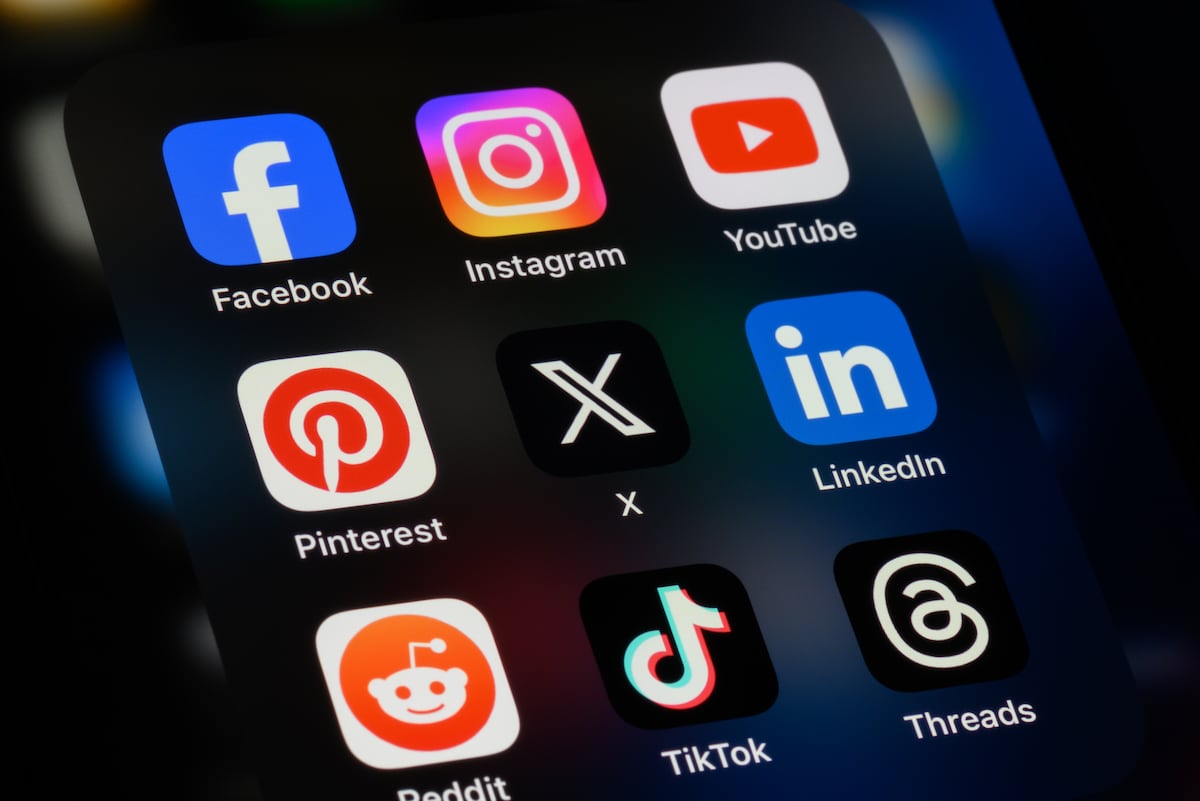
During a panel discussion at the Association of the United States Army conference in Washington, experts from the Army Counterintelligence Command shed light on the contemporary risks faced by military personnel. Scott Grovatt, who serves as the regional special agent in charge for the Northeast Region, highlighted the platforms where soldiers are frequently targeted: “LinkedIn, Indeed, Reddit, that is where our soldiers are being targeted every single day.”
As soldiers entering service in 2025 are increasingly reliant on digital devices, many seek secondary employment opportunities, inadvertently exposing themselves to potential espionage activities. According to Grovatt, Army leadership plays a crucial role in educating service members about these vulnerabilities, ensuring they remain vigilant against foreign recruitment attempts.
Grovatt emphasized the importance of open communication between leaders and their soldiers, advising leaders to take notice when discussions in the barracks involve topics like new technology. “Have a conversation, call counterintelligence so we can talk to them,” he advised.
Leaders are also urged to scrutinize the details of secondary employment applications thoroughly. If a soldier mentions working for a media outlet or an online resource, it is recommended that leaders carefully review the application and consult with counterintelligence agents if necessary.
The Counterintelligence Command’s efforts have yielded results, successfully aiding in the investigation of individuals who have engaged in espionage activities. In one notable case, Spc. Taylor Adam Lee, stationed at Fort Bliss, was arrested on charges of attempting to transmit national defense information to a foreign adversary. Lee, who held a Top Secret clearance, sought to send sensitive data to Russia’s Ministry of Defense.
Similarly, intelligence analyst Sgt. Korbein Schultz pled guilty to selling classified information regarding American military capabilities. Schultz, who also possessed a top-secret clearance, provided defense documents and other intel to individuals he believed were representatives of the Chinese government starting in 2022. He was sentenced to 84 months in prison for his actions.