The evolving digital landscape has introduced new vulnerabilities for U.S. Army soldiers, making them potential targets for foreign espionage in 2025. The United States Army Counterintelligence Command is actively addressing these threats by enhancing awareness among its ranks.
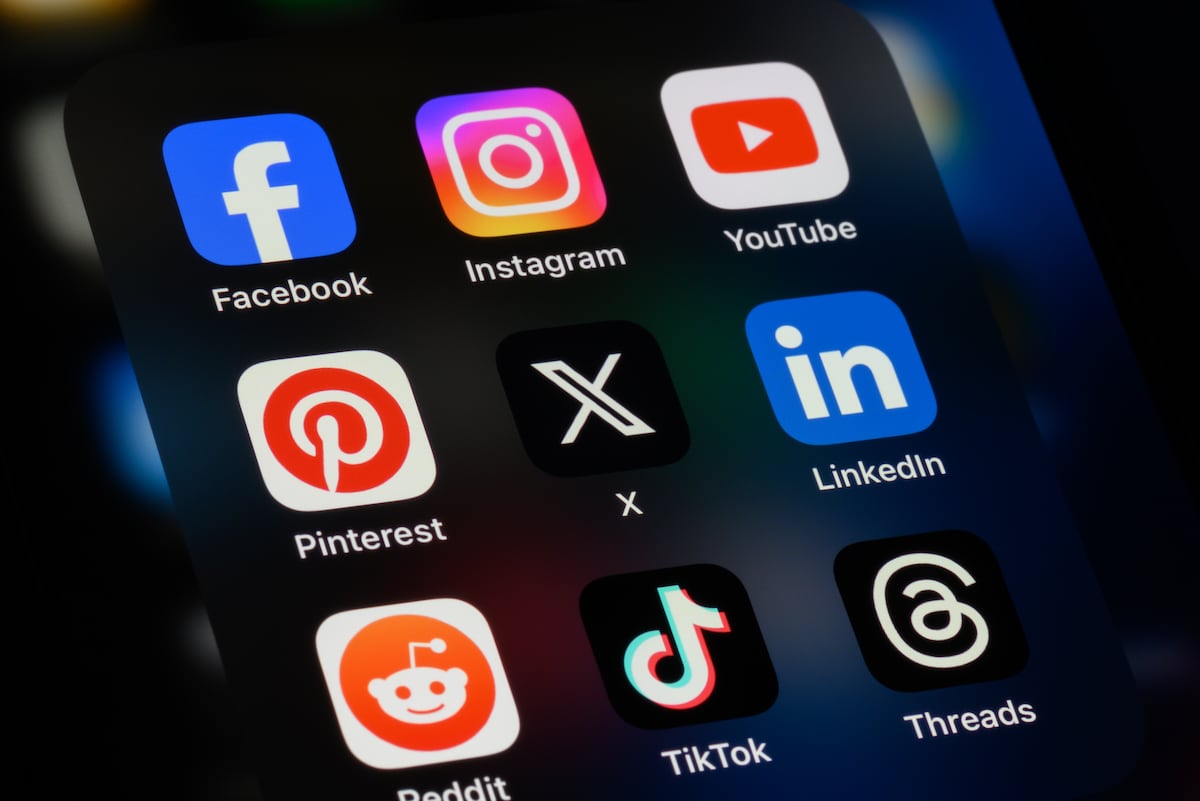
During the Association of the United States Army conference in Washington, a panel from the Army’s counter-espionage division outlined the online platforms where soldiers are most susceptible to enemy identification and recruitment. Scott Grovatt, regional special agent in charge for the Northeast Region, emphasized, “LinkedIn, Indeed, Reddit, that is where our soldiers are being targeted every single day.”
With the increasing reliance on digital tools, soldiers entering the Army in 2025 are more prone to engaging in secondary employment. This shift inadvertently exposes them to foreign entities with espionage intentions. Grovatt highlighted the role of Army leadership in educating soldiers about these digital threats to prevent espionage incidents.
According to Grovatt, if leaders overhear soldiers discussing projects, especially those related to new technologies, it might indicate potential foreign involvement. “Have a conversation, call counterintelligence so we can talk to them,” he advised.
Furthermore, leaders are urged to meticulously review any forms related to secondary employment. If soldiers mention writing for media outlets or online resources, it’s crucial to scrutinize the details and consult with counterintelligence if necessary.
The command’s proactive approach has already led to successful investigations, revealing collaborations with foreign adversaries. In August, 22-year-old Spc. Taylor Adam Lee from Fort Bliss was arrested on espionage charges. He faced accusations of attempting to transmit national defense information and export controlled technical data to Russia without proper authorization.
A similar case involved intelligence analyst Sgt. Korbein Schultz, who pled guilty a year earlier to selling sensitive American military information. Schultz, who possessed top-secret clearance, shared defense documents with individuals he believed were part of the Chinese government. His actions led to an 84-month prison sentence in April 2025.