Army Secretary’s Strategic Shift: Embracing Technology Over Tradition
The Army is undergoing a significant transformation as Secretary Dan Driscoll moves to eliminate traditional advisory roles in favor of integrating tech-focused perspectives. This shift underscores a strategic pivot towards modernization, mirroring Silicon Valley’s innovative model.
In a bold decision announced last Friday, Driscoll informed the 115 members of the Civilian Aides to the Secretary of the Army (CASA) program that their positions were being dissolved. This volunteer group has historically acted as the bridge between the Army and local communities, but the focus is now shifting.
“Moving forward, the Civilian Aide Program will focus on leveraging civilian expertise in strategic communications, advanced technology, innovation and digital transformation to advise the Army as we build a force capable of dominating the future fight,” Driscoll stated in his letter to the aides.
This change marks a departure from the program’s century-long tradition. Previously, aides played key roles in community engagement, liaising with local businesses and educational institutions, and supporting recruiting efforts. John Phillips, a former aide from Atlanta, expressed concerns about the decision, saying, “The key things lost are community and industry. We’re the conduit to get the Army connected to the local community.”
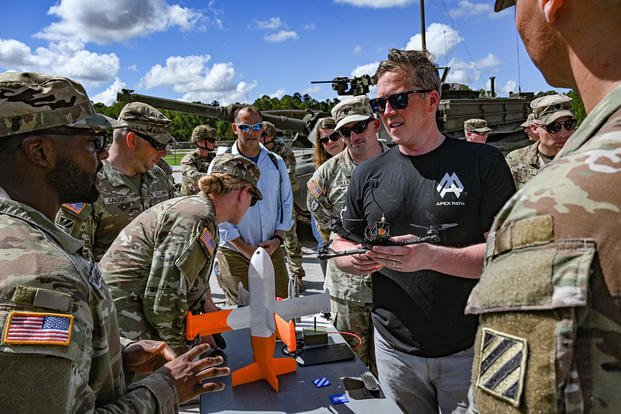
The future structure of the advisory program remains uncertain, but it’s clear that the Army is intensifying its focus on technological advancement, drone capabilities, and collaborations with Silicon Valley. Recently, the Army made headlines by directly commissioning tech executives from companies like Palantir, Meta, and OpenAI as senior officers, bypassing traditional military pathways.
While some in the Pentagon and government are enthusiastic about the Army’s innovative direction, there are growing concerns about potential over-reliance on technology at the expense of broader military objectives. Critics caution that decision-making might be increasingly confined to a small group of officials within the Army’s upper echelons.
The CASA program has had varied levels of engagement, with some aides actively participating in outreach and policy advising, while others were perceived as holding more ceremonial roles. Historically, these aides facilitated Army interactions with local stakeholders, organizing events, and engaging with officials and educational entities.
Edward Salo, a history professor and former CASA at Arkansas State University, reflected on his experience, stating, “It was an honor. It felt good to be able to contribute to help the Army in any way possible.” Salo hopes the program will evolve to meet the Army’s new strategic needs, emphasizing its value as a resource for the Secretary.
“`