A New Era for the B-52: Modernizing America’s Iconic Bomber
The B-52H Stratofortress, a stalwart of the U.S. Air Force for over six decades, has embarked on a new chapter with a major radar upgrade. This significant update is part of a broader initiative to modernize the Air Force’s oldest bomber fleet, ensuring its readiness for future missions.
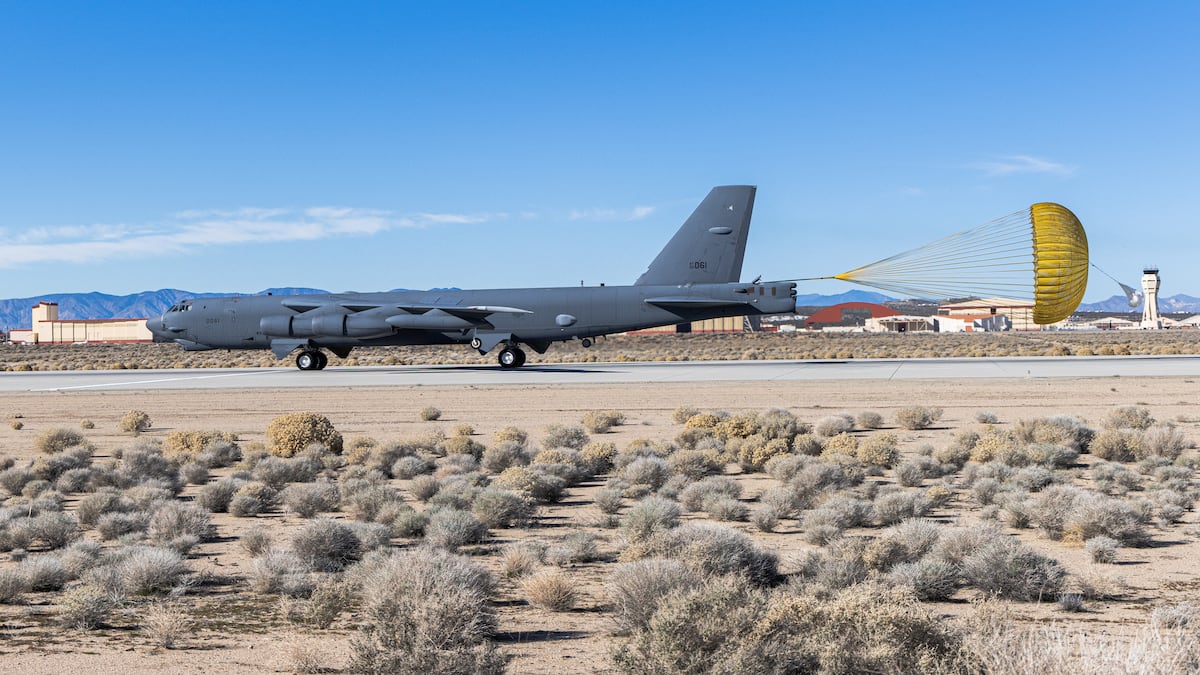
On December 8, the first B-52 to receive this upgrade took off from Boeing’s San Antonio facility, making its way to Edwards Air Force Base in California. The Air Force confirmed in a statement on December 10 that this ferry flight was managed by a team from the 49th Test Evaluation Squadron and the 419th Flight Test Squadron.
The arrival of the bomber at Edwards marks the beginning of an extensive testing phase. Ground and flight tests are scheduled to continue through 2026, a crucial step before deciding on full production of the new radar system. The advanced radar, developed by Raytheon Technologies, replaces the outdated APQ-166 system with the AN/APQ-188 Bomber Modernized Radar System. This upgrade promises enhanced navigation in all weather conditions and improved targeting capabilities.
The new radar technology aligns with systems currently used in the Air Force’s F-15E and EX Eagle, as well as the Navy’s F/A-18 Hornet, ensuring comparable capabilities and simplified maintenance for the B-52.
Among the enhancements, the radar is set to provide high-resolution ground mapping, boosting the B-52’s efficiency in target location and tracking. These upgrades are part of a comprehensive overhaul, which includes new engines, avionics, and communication systems. This extensive modernization effort is so transformative that the aircraft will be rebranded as the B-52J. The Air Force anticipates these improvements will enable the B-52 to remain operational into the 2050s, potentially reaching the century mark in active service.
“The ferry flight of this upgraded B-52 marks an important moment in our efforts to modernize the bomber force,” stated Air Force Secretary Troy Meink. He emphasized the modernization’s role in sustaining the B-52 as a core element of U.S. airpower alongside future aircraft.
Currently, the Air Force maintains a bomber fleet that includes 76 B-52s, 19 B-2 Spirit stealth bombers, and 45 B-1B Lancers. As the advanced B-21 Raider, developed by Northrop Grumman, begins to join the fleet, older B-1s and B-2s will be phased out in the coming years, leading to a streamlined future force of B-21s and B-52s.
Air Force Chief of Staff Gen. Kenneth Wilsbach highlighted the importance of the radar modernization, stating, “This milestone ensures our future airmen inherit a modernized, ready Air Force. The B-52 Radar Modernization Program is about more than technology. It’s about readiness, deterrence and the ability to fight and win.”