The expectation that shared aircraft models among the United States and Europe would streamline operations is proving to be more intricate than initially thought. Despite the prevalence of common jets like the F-35 and F-16, challenges such as variant differences, incompatible support tools, and a lack of unified procedures hinder effective collaboration, according to a September report by the Rand Corporation.
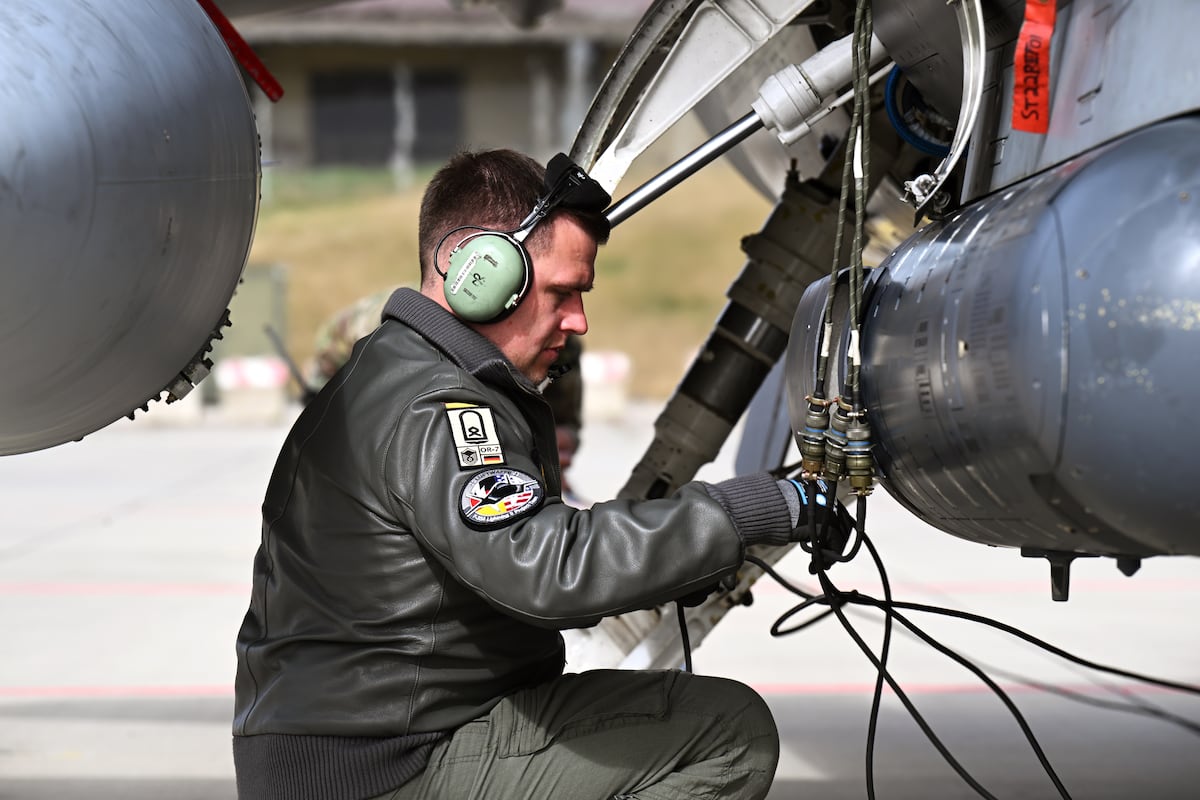
Among the most pressing issues is the incompatibility of ground equipment. The report highlights that while some nations utilize U.S.-standard support equipment, others have developed their own versions, which are only partially compatible. This complexity is further compounded by NATO members like Poland, Slovakia, and Bulgaria, who have historically operated Soviet-era aircraft with support systems unsuitable for Western planes.
The U.S. Air Force’s Agile Employment Concept (ACE) calls for fighter squadrons to operate from dispersed bases, necessitating high mobility and adaptability. Ideally, U.S. military aircraft could be maintained at Dutch or Polish airfields using local mechanics, reducing the need for transporting extensive ground crews and equipment.
Rand’s study, commissioned in 2024 over concerns about ACE and interoperability, points out the importance of U.S. aircraft being serviceable at partner bases without dedicated U.S. maintenance teams. This approach would enhance the agility and scalability of ACE operations.
The research initially focused on cross-servicing with the F-35 but later expanded to include the F-16 and support equipment used by European allies. An example of cross-servicing potential is illustrated by Portuguese F-16s deploying to Lithuania, a journey of nearly 1,700 miles that might involve aerial refueling. If these jets could refuel and undergo inspections at interim airbases, they could reach their destinations swiftly without requiring tanker support.
Security concerns stemming from U.S. policies also contribute to interoperability issues, particularly with F-35 cross-servicing. Moreover, differing policies across U.S. fighter wings regarding allied support equipment and inadequate information sharing further complicate matters. “USAFE’s [U.S. Air Forces in Europe–Air Forces Africa’s] efforts to enhance interoperability face a fundamental challenge: poor communication among key stakeholders,” the report states.
A parallel Rand study identified additional challenges such as coordination gaps in aircraft arresting systems, emergency services, and airbase protection and repair.
To address these challenges, the report suggests the U.S. Air Force should establish dedicated units to manage interoperability with allies. These units, though not large, would require a clear mandate and regular engagement with both headquarters and wings, along with access to pertinent data and decision-makers.
Patrick Mills, co-author of the Rand studies, emphasizes the potential benefits of resolving these interoperability challenges. He notes, “Interoperability would make European airpower far more agile and confident in crisis,” and highlights the resource-intensive nature of fighter operations, which demand substantial base support and skilled maintainers. Improved interoperability could mitigate the high costs and limited capabilities currently faced by individual nations.