Potential Reprieve for A-10 Warthogs Amidst Budgetary Debates
Amidst ongoing budgetary discussions, a lifeline may be extended to some A-10 Warthogs as Congress considers reversing certain proposed cuts by the Pentagon in the Air Force’s fiscal 2026 budget. These discussions could alter the fate of the iconic aircraft as well as other crucial Air Force programs.
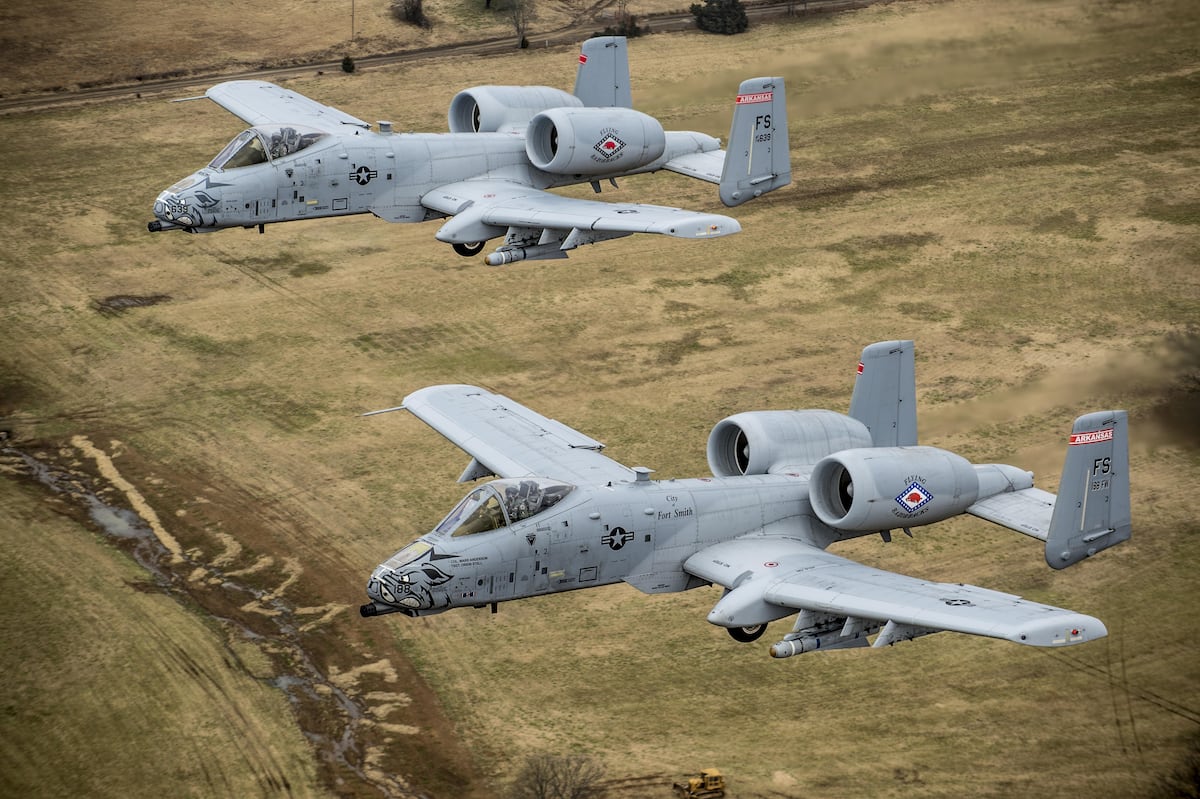
The Pentagon’s recently unveiled budget proposes a complete retirement of the Air Force’s A-10 attack aircraft fleet, currently 162-strong, two years ahead of the initial plan. This budget also aims to halt the E-7 Wedgetail program, favoring the deployment of E-2D Hawkeyes and space-based sensors instead. Additionally, there is a suggestion to reduce the planned acquisition of F-35A Joint Strike Fighters to 24 units, nearly halving the original number.
These potential reductions have sparked concern among the Air Force community. A collective of 16 retired four-star generals, including six former chiefs of staff, have voiced opposition. They addressed a letter to congressional leaders, urging a reconsideration of these plans (read more here).
In response, the Senate Armed Services Committee has approved its version of the 2026 National Defense Authorization Act (NDAA), aimed at mitigating some of the proposed changes to the A-10 and F-35 programs (more details here).
The committee’s NDAA version would mandate the Air Force to maintain at least 103 A-10 Warthogs in 2026 and increase the procurement list to include 35 F-35As, adding 10 more units than the Pentagon’s proposal.
Meanwhile, the House Armed Services Committee’s version of the NDAA, also unveiled recently, proposes restoring funding for the E-7 program. This Boeing-manufactured airborne battle management system is anticipated to replace the aging E-3 Sentry aircraft. Despite the Pentagon’s recent stance to end the E-7 program due to cost and survivability concerns, the House committee’s draft would increase the program’s budget to nearly $800 million, up from the proposed $200 million cut.
The House proposal also supports the Air Force’s request for $387 million for the Lockheed Martin-made hypersonic AGM-183A Air-launched Rapid Response Weapon (ARRW). Although previous test failures had cast doubt over the ARRW, current indications suggest a renewed interest in its development.
Additionally, the Senate NDAA includes a directive for the Air Force to provide two detailed roadmaps — one focusing on future bomber force strategies and the other on intelligence, surveillance, and reconnaissance missions.