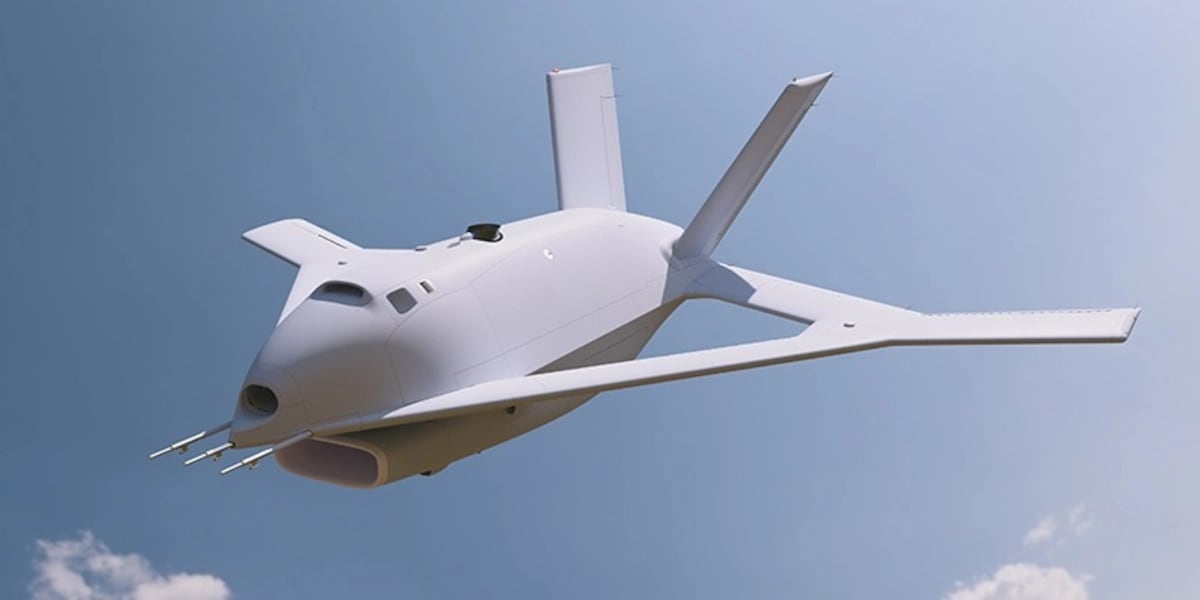
An innovative experimental aircraft, designed by the Defense Advanced Research Projects Agency (DARPA), is set to revolutionize aviation dynamics by using air bursts for steering instead of traditional mechanical controls. Originally slated for an earlier debut, the X-65 is now expected to take its maiden flight in late 2027 due to a strategic pause and subsequent program restructuring.
The X-65, an unmanned vehicle spearheaded by Boeing’s Aurora Flight Sciences, is central to DARPA’s initiative to explore “active flow control.” This approach aims to eliminate conventional flaps and rudders, utilizing air bursts to manipulate airflow over the wings, thereby altering the aircraft’s trajectory.
This cutting-edge technology, part of the Control of Revolutionary Aircraft with Novel Effectors (CRANE) program, offers the potential to streamline aircraft design by enhancing aerodynamic efficiency, reducing weight, and minimizing mechanical complexity. DARPA is optimistic that these advancements will lead to a new era in aircraft design.
In January 2023, DARPA allocated a $42 million contract to Aurora Flight Sciences to advance the active flow control design. Based in Manassas, Virginia, Aurora is renowned for its pioneering work in aircraft and unmanned systems.
Following a successful critical design review in late 2023, Aurora embarked on constructing a full-scale prototype to test this new technology. By January 2024, fabrication had commenced at Aurora’s West Virginia and Mississippi facilities, with flight tests anticipated to begin that summer. The prototype boasts a 30-foot wingspan, weighs approximately 7,000 pounds, and is capable of reaching speeds exceeding 500 miles per hour.
However, the program faced setbacks due to higher-than-anticipated prototype costs, prompting DARPA to pause and reassess the initiative. “DARPA programs are high-risk by nature,” explained a spokesperson, citing technical and supply chain hurdles that extended development timelines.
In response, DARPA restructured the program into a collaborative effort with Aurora, making the company a co-investor in the X-65 project. This agreement, finalized in August, aims to keep costs manageable for the government while achieving the CRANE program’s objectives. Christopher Kent, DARPA’s CRANE program manager, emphasized the significance of this collaboration, stating, “Demonstrating active flow control in flight opens new design and production possibilities for both military and commercial aircraft.”
The restructured partnership is designed to make the project financially viable and maintain momentum. Following successful demonstrations of active flow control, Aurora will assume responsibility for the platform’s ongoing test and development phases.
Despite being over two years behind schedule, the project is progressing. Aurora reported that the fuselage construction is on track for completion by January, with integration work and ground tests slated for late 2026 or early 2027, leading to a projected flight test later that year.
Fiscal records indicate DARPA’s significant financial commitment to the CRANE initiative, with expenditures amounting to $38.3 million in fiscal 2024 and additional funding earmarked for subsequent years.
In a recent statement, Aurora highlighted the X-65’s innovative design, featuring 14 “effectors” to facilitate the air bursts essential for flight control. Aurora’s vice president of aircraft development, Larry Wirsing, expressed enthusiasm for the project, stating, “The X-65 platform will be an enduring flight test asset, and we’re confident that future aircraft designs and research missions will be able to leverage the underlying technologies and flight test data.”