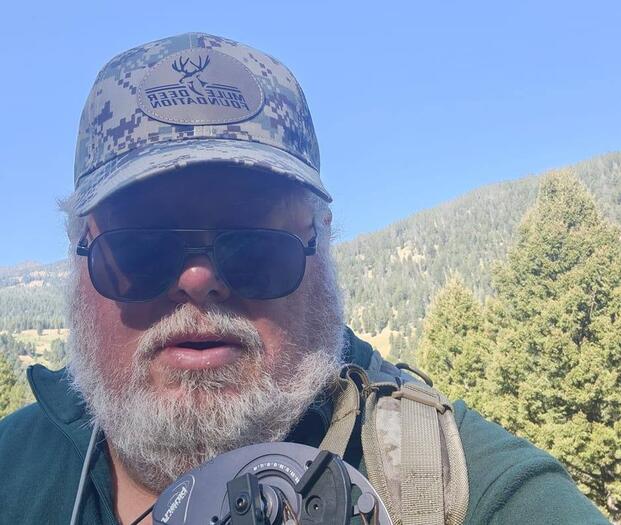
In a heartwarming example of innovation and collaboration, Navy veteran Chester Evitt has found a way to return to his beloved hobby of archery. After sustaining injuries that rendered his left arm nearly immobile, Evitt’s chances of shooting a bow seemed bleak. However, the dedication of Trine University engineering students has changed his outlook entirely.
With the help of Trine University students in Angola, Indiana, Evitt can now enjoy archery again. These students diligently worked on a custom adaptive design that enables the Gulf War veteran to use his bow without the need for his left arm.
Overcoming Challenges
Evitt’s challenges began with a gunshot wound to his arm while serving in the Navy. More recently, an additional injury further impaired his arm’s mobility, leading him to express frustration over losing the ability to shoot his bow, as he told WPTA.
Connecting with Innovative Minds
Seeking a solution, Evitt shared his concerns with his VA physician. This conversation set in motion a series of events that connected him with Trine University’s engineering team through Project S.E.R.V.E. The initiative aims to enhance the lives of veterans and first responders with student-led engineering projects.
Despite the geographical distance of 1,500 miles between Evitt in Montana and the students in Indiana—Ava Dobbins, Andrea Mendoza, Copper Clark, and Jake Welker—the team collaborated virtually over several months. They recently met in person at Thunder Lakes Gund Ammo and Archery in Angola.
Crafting the Perfect Solution
The students experimented with various designs before finalizing a 3D-printed model that attaches to Evitt’s back, providing the necessary support for the bow. “It really needs to just hold it up for him and kind of be that skeleton that he can’t,” explained Welker.
For the students, aiding a disabled veteran was immensely fulfilling. Welker mentioned, “The military runs very deep in my family, like most people from the Midwest, and it means a lot to me.”
Upon testing the new device, Evitt expressed his gratitude, saying, “Oh my goodness. They’re giving me back something that was took from me.” Beyond this, he forged new friendships with the students and expressed, “As a father that’s raised four kids, I’d be proud to call any one of them my own.”
The project is set to be completed in two months, after which the students will present it to a panel at Trine. Once finalized, Evitt plans to return to Montana with the device, eager to embrace his rekindled passion for archery, a hobby he cherished since the age of eight.