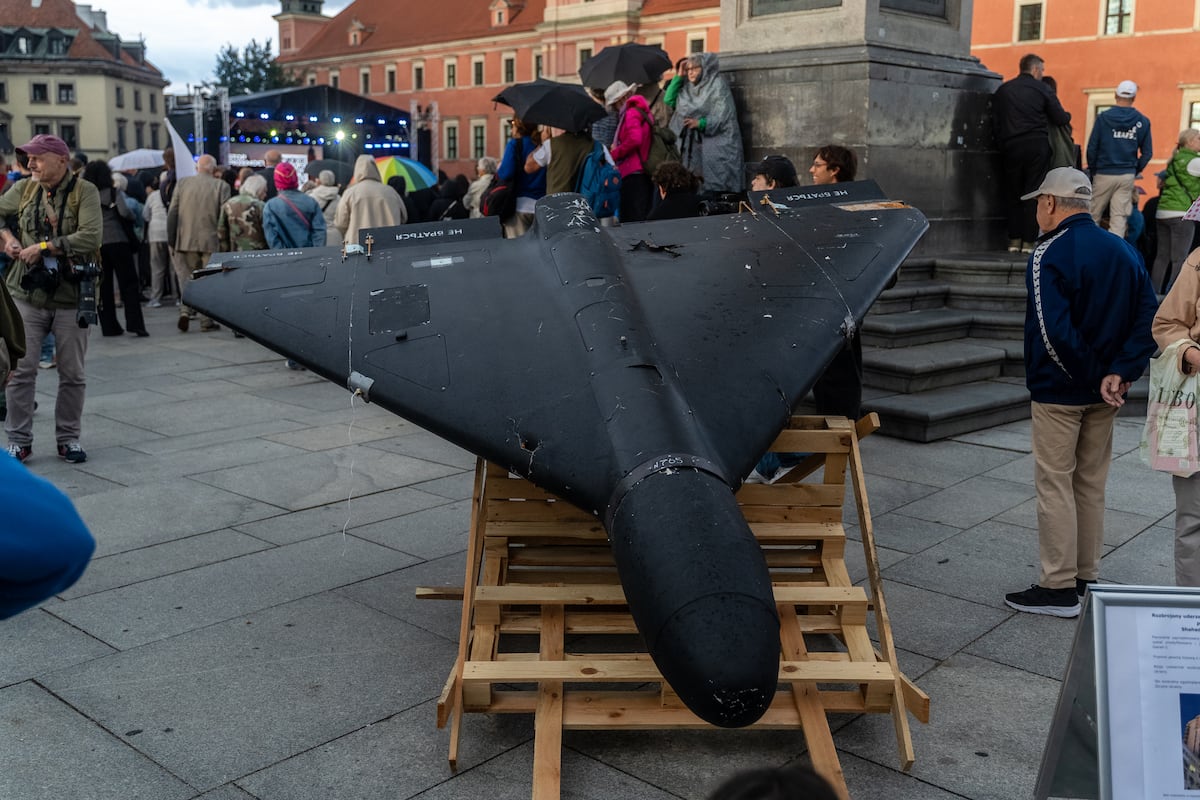
In a strategic move to counter the rising threat of Russia’s jet-powered attack drones, Estonia’s newly appointed defense minister, Martin Herem, is exploring the acquisition of light jet aircraft. This consideration comes amidst growing concerns over the effectiveness of current air defense systems in the Baltic region.
Estonia’s Defense Strategy
Martin Herem, who assumed office on September 16, expressed the need for Estonia to evaluate potential options for bolstering its air defense capabilities. Following discussions with Ukrainian President Volodymyr Zelenskyy in Kyiv, Herem shared with both The Baltic Sentinel and Postimees that air-to-air weaponry might serve as the most effective deterrent against the advanced drones.
While Herem has not specified any aircraft type or budget, nor committed to any immediate purchase, he mentioned that Estonia is also considering alternatives such as computer-controlled cannons and fast interceptor drones. Currently, Estonia possesses air-control expertise and utilizes L-39 Albatros trainers, although these are leased under civilian status, posing challenges for armament.
Regional Air Defense Dynamics
The urgency of Estonia’s defense considerations is underscored by the rapid escalation of drone threats. As reported by Hromadske, Ukraine’s increased interception success rates, from 40% in July to 60% in August, highlight the growing sophistication and frequency of drone attacks.
Unlike Estonia, neither Latvia nor Lithuania has shown interest in acquiring jet aircraft. These nations are instead investing in multiple layers of counter-drone technologies, with Latvia considering the Embraer A-29 Super Tucano as a potential addition to its air-defense lineup. Lithuania, meanwhile, is fast-tracking trials for interceptor drones and radars, focusing on systems already proven in combat in Ukraine.
NATO’s Air Policing and Regional Cooperation
NATO allies, including Turkish F-16s currently stationed in Estonia, contribute significantly to Baltic air policing. Spanish F-18s are wrapping up their deployment, further emphasizing the reliance on allied forces for regional air security.
Efforts to enhance regional defense include Latvia’s ambitious “wall of drones” project, which integrates radars, interceptor drones, and command equipment to safeguard its eastern border. NATO officials have consistently highlighted the cost-effectiveness of using interceptor drones and ground-based defenses over heavy fighters against small drone threats.