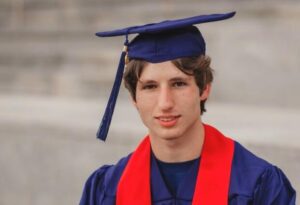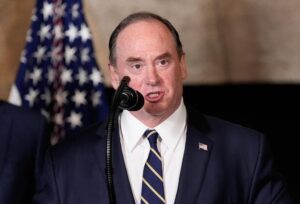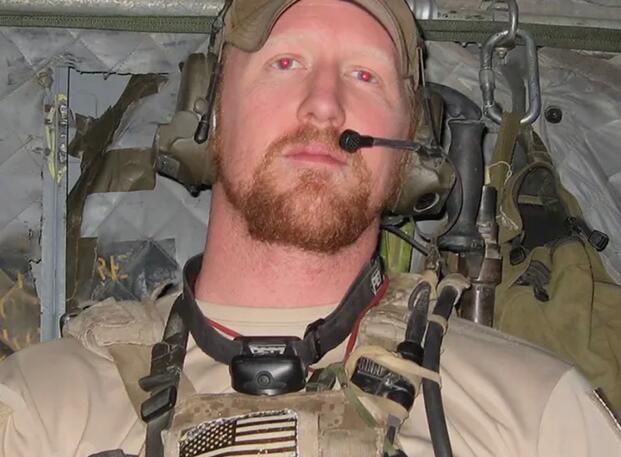
The legal battle surrounding Robert O’Neill, the former Navy SEAL who claims to have killed Osama bin Laden, sees a pivotal moment as a judge decides whether the defamation lawsuit he filed will stay in federal court or move to state court. This lawsuit, targeting podcasters Tyler Hoover and Brent Tucker, has captivated attention due to its ties to one of the most significant military operations in recent history.
In November, Robert O’Neill initiated a $25 million defamation lawsuit against the hosts of The Antihero Podcast, Tyler Hoover and Brent Tucker. O’Neill alleges that these hosts have been systematically tarnishing his reputation, particularly concerning his role in the 2011 mission that led to the death of bin Laden.
Both Hoover and Tucker, who have military backgrounds, stand accused of attacking O’Neill’s reputation not just for personal gain but also to promote veteran-on-veteran animosity. Hoover is an ex-Army airborne infantry veteran and former sheriff’s deputy, while Tucker served in the 75th Ranger Regiment and Delta Force.
O’Neill’s legal team recently filed a motion to revert the case to Westchester County Supreme Court. This motion follows an earlier request by attorney Timothy Parlatore, representing the podcast hosts, to move the case to federal court. Parlatore argues that O’Neill is apprehensive about facing a federal court trial.
Podcasters Criticized for Conspiracy Theories
David Schwartz, O’Neill’s attorney, claims that the podcast hosts have engaged in a “malicious and deliberate publication of false information” about O’Neill. The podcast allegedly accuses O’Neill of falsifying his involvement in the bin Laden raid, casting doubts on his military accomplishments.
They’ve accused him of a species of stolen valor and engaged in rampant conspiracy theories riddled with falsehoods and completely unfounded recriminations. — Schwartz in court filings
Schwartz originally intended for the case to be presented before a jury, highlighting the severity of the accusations against his client.
O’Neill Ready to Defend His Name
Recent legal developments have been seen as a temporary win for O’Neill, according to Schwartz. “Rob O’Neill has served this country with honor, distinction and bravery,” Schwartz stated, emphasizing O’Neill’s involvement in over 400 combat missions, including the high-profile bin Laden raid.
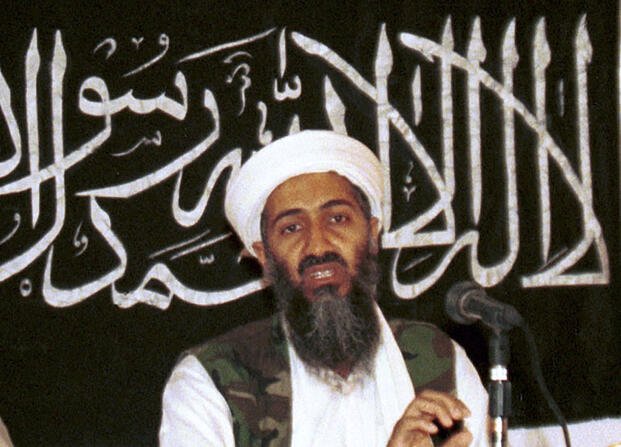
O’Neill himself has expressed readiness to address the allegations in court, stating, “I can only watch the truth be trampled for so long before I fight back. I look forward to court.”
On the other side, Parlatore remains skeptical of O’Neill’s chances, citing his status as a public figure and the challenge of proving actual malice in defamation cases.
Conflicting Narratives from the Bin Laden Raid
Central to the dispute are differing accounts of the bin Laden raid, as captured in two best-selling books. Matt Bissonnette’s No Easy Day and O’Neill’s The Operator offer contrasting perspectives on the events of May 2, 2011.
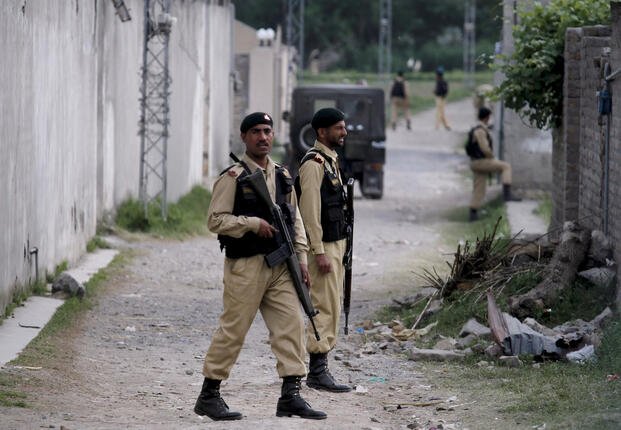
The podcast in question, titled “Rob O’Neill—The Web of Lies,” draws from Bissonnette’s account, while O’Neill maintains his own version as the truth. According to Parlatore, the existence of these differing accounts complicates O’Neill’s ability to prove the podcast hosts acted with malice.
Role of Adm. William McRaven in the Case
O’Neill’s lawsuit references statements from retired Adm. William McRaven, who led the operation against bin Laden. In interviews, McRaven has identified O’Neill as the SEAL who shot bin Laden, a claim Schwartz argues is uncontested by the defense.
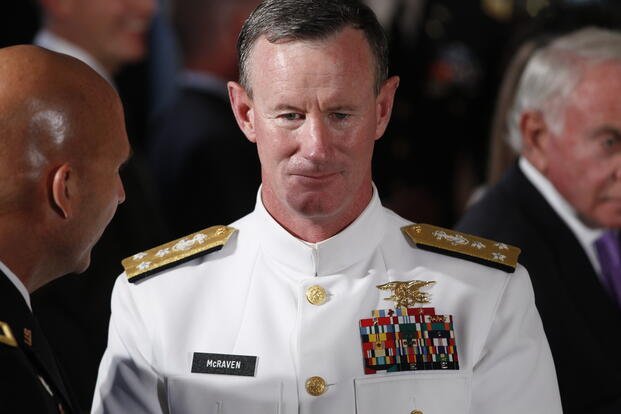
Parlatore, however, dismisses McRaven’s testimony as hearsay, arguing that only those present during the raid can provide credible evidence.
Awaiting Judicial Decision
As the legal proceedings unfold, Parlatore contends that O’Neill’s lawsuit is unlikely to succeed. He believes the podcast hosts conducted thorough research, speaking to individuals involved in the mission, and thus have a strong defense.
“There’s not a possible way under the law that you can hold them liable for defamation,” Parlatore stated, suggesting that the financial and reputational consequences for O’Neill could be significant if the case proceeds unfavorably for him.
Honestly, it’s just a matter of how long is it going to take? How much money is Rob going to owe them at the end of this? And how bad of a hit is this going to be to Rob O’Neill’s reputation, or is this going to go all the way to where these guys have to testify?
The court has yet to decide on the motion to transfer the case back to state court, leaving all parties awaiting the next steps in this high-profile legal saga.