In a significant geopolitical development, tensions are escalating in the Middle East as Yemen’s Houthi rebels, backed by Iran, have issued a new threat to vessels navigating the Red Sea. This move comes amidst heightened anxieties over a U.S. aircraft carrier’s approach, following President Donald Trump’s warnings of potential military action in response to Iran’s internal crackdown on protests.
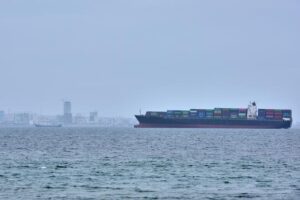
The Houthis released a short video featuring previously seen footage of a burning ship with the ominous caption: “Soon.” While the group stopped short of providing details, their past operations in the Red Sea have targeted over 100 ships, purportedly to pressure Israel regarding its military actions in the Gaza Strip. The ceasefire temporarily halted these attacks, but the Houthis have consistently warned of resuming if necessary.
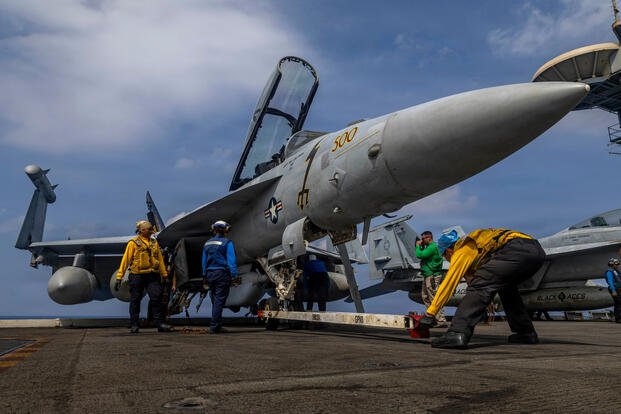
These developments coincide with the movement of the USS Abraham Lincoln and its accompanying guided missile destroyers towards the region. President Trump has indicated these assets are positioned “just in case” military intervention becomes necessary, specifically citing two critical triggers: the killing of peaceful protesters and the execution of detainees by Tehran.
Iran’s Strategic Posturing and Airspace Restrictions
Iranian Defense Ministry spokesperson Gen. Reza Talaei-Nik issued a stark warning to both Israel and the United States, emphasizing that any attack would meet with a “response that is more painful and more decisive than in the past.” Talaei-Nik highlighted the necessity for Iran to maintain high levels of preparedness due to the perceived threats.
Over the weekend, Iran showcased a new banner in Enghelab Square, depicting an aircraft carrier covered in bodies and blood, accompanied by the ominous message: “If you sow the wind, you will reap the whirlwind.” This comes as Iran grapples with the aftermath of a recent conflict with Israel, which damaged its air defense capabilities, resulted in the loss of military leaders, and saw U.S. assaults on its nuclear facilities.
Reflecting concerns over airspace security, Iran imposed a ban on small private planes, with exceptions for the oil sector and emergency medical services. In light of mounting tensions, many Western airlines are avoiding Iranian airspace, though Gulf carriers heading to Moscow still utilize these routes. The region’s airspace remains tense, especially after Iranian forces accidentally downed a Ukrainian airliner in 2020, killing all 176 on board.
Escalating Unrest in Iran
Protests within Iran, sparked by the depreciation of the national currency, the rial, erupted on December 28 and have since swept across the nation. The Iranian government’s forceful response has led to a comprehensive internet blackout lasting over two weeks, obscuring the scale of the crackdown.
The U.S.-based Human Rights Activists News Agency reported a death toll of 5,848 as of Sunday, with the number of arrests surpassing 41,280. This figure, verified by activists within Iran, represents the deadliest period of unrest since the Islamic Revolution of 1979. The Associated Press has not independently confirmed these figures.
Conversely, official Iranian sources claim significantly lower casualties, reporting 3,117 deaths. Of these, they classify 2,427 as civilians and security personnel, with the remainder labeled as “terrorists.” Historically, Iranian authorities have tended to underreport fatalities during periods of unrest.
© Copyright 2026 Associated Press. All rights reserved. This material may not be published, broadcast, rewritten or redistributed.