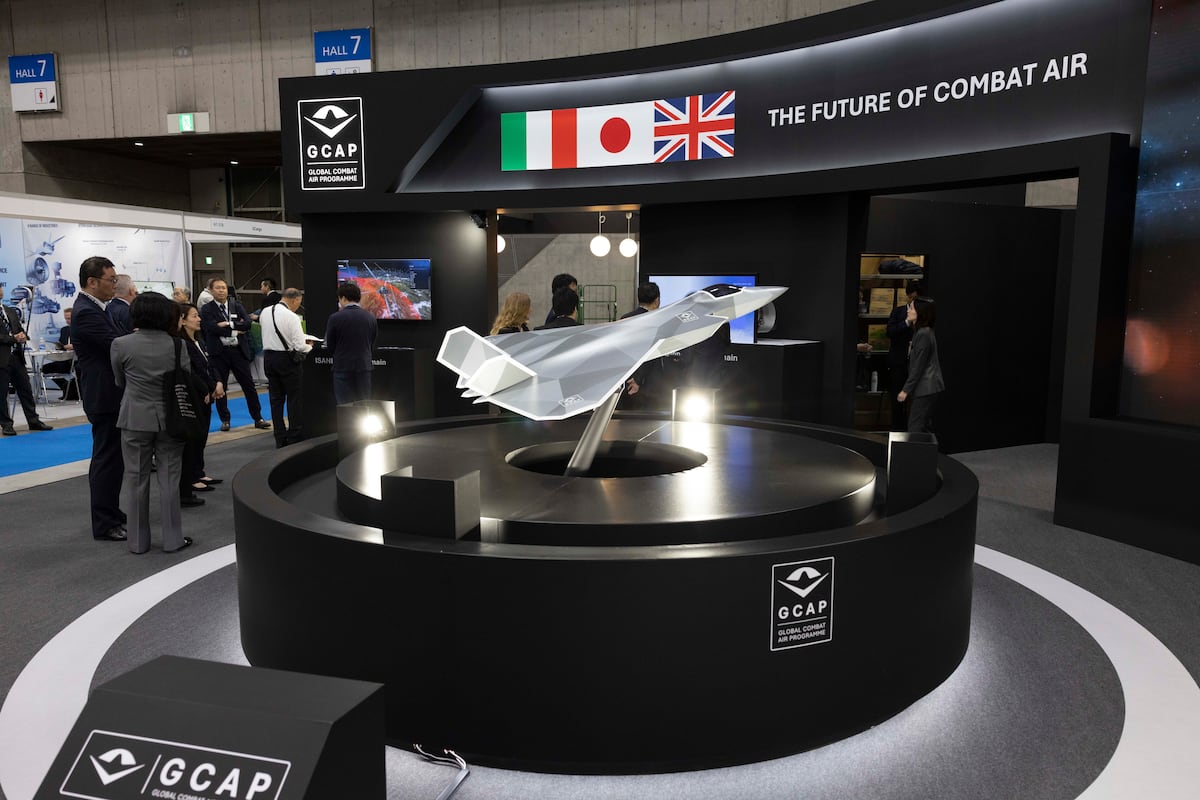
Japan is taking strides to hasten the collaborative Global Combat Air Programme (GCAP) with the United Kingdom and Italy, even as it grapples with financial and contract-related delays. Despite these obstacles, experts believe the goal of deploying the fighter jets by 2035 remains feasible.
The Japanese government is simultaneously working to ease strict export restrictions on defense equipment, a move that could facilitate the program’s progress. Although strategies to address fiscal challenges have yet to be unveiled, the National Diet is anticipated to approve funding for the jets shortly.
The legislation has already relaxed export limitations on GCAP, potentially paving the way for future exports to conflict zones. This legislative shift is also expected to benefit other defense projects, including the 11 Mogami-class frigates intended for the Royal Australian Navy, with finalization by Defense Minister Shinjiro Koizumi expected soon.
However, the partnership between the governments of Japan, the U.K., and Italy, represented by the GCAP International Government Organisation (GIGO), and the industry consortium Edgewing, faces delays. Edgewing, which includes national companies BAE Systems, Leonardo, and Japan Aircraft Industrial Enhancement Co. Ltd., has yet to receive its initial design contract due to the late delivery of the British Defense Investment Plan, which is critical for funding allocation.
According to reports, the British Defense Investment Plan was originally expected last fall, but budgetary constraints have postponed its release. Shigeki Muto, a retired lieutenant general, expressed concern over the “uncertainty in financial commitments” resulting from the delay, though he noted that the situation is currently manageable.
The GCAP initiative represents Japan’s most significant defense investment and its first co-production venture with European allies. The program is intended to replace the F-2 fighters, and any delays could impact Japan’s defense capabilities, particularly given the growing military pressures from China, as noted by retired Lt. Gen. Eiichirou Fukazawa.
While costs for the GCAP have reportedly tripled, it remains unclear whether Japan will increase its previously allocated 700 billion yen ($4.44 billion) budget. However, experts argue that Japan’s major involvement in the project could enhance its defense industry’s global standing and improve its technological access and negotiating power.
Yoko Iwama, a professor at the National Graduate Institute for Policy Studies, remarked that the partnership with European countries is viewed as a strategic move away from reliance on the U.S., especially in light of past experiences with the Trump administration. Although there are rumors of Germany potentially joining the GCAP, Japan remains cautious, as adding new participants might delay the development timeline.
Fukazawa emphasized the importance of adhering to the original schedule, suggesting that Japan is likely to resist changes that could disrupt the program’s progress.