Pentagon Report Examines Communication Breach by Defense Secretary
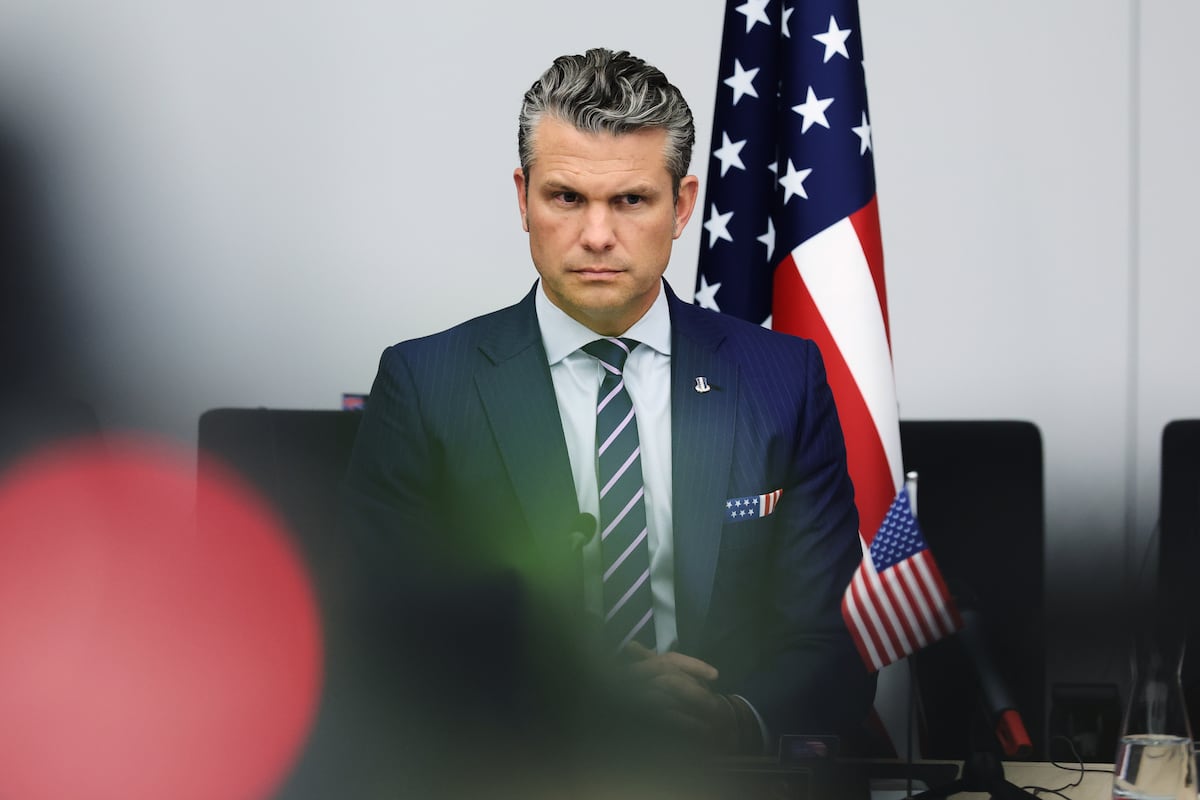
A recent Pentagon inspector general report shed light on an incident involving Defense Secretary Pete Hegseth, who used his personal phone to send sensitive information regarding a military operation in Yemen. This action raised concerns about the potential risk to mission success and troop safety.
Released on December 2, the report reveals that Hegseth decided the details he shared in a March 15 Signal chat were either not classified or safe to declassify, thus creating an “unclassified summary” for chat participants. However, one of these participants turned out to be Atlantic editor Jeffrey Goldberg, who unintentionally received this information and later published a report on the breach.
Although no direct breach of classified information rules occurred, the report emphasized the significant risks associated with sharing nonpublic details so close to an airstrike. Hegseth reportedly disclosed the “quantity and strike times of manned U.S. aircraft over hostile territory” using an unsecured network, just hours before the strikes.
The Pentagon reiterated that Hegseth, as secretary, had the authority to declassify information. Hegseth’s attorney, Timothy Parlatore, stated in an interview, “There’s no classified material in those texts. Everything he declassified, he has within his authority to declassify.”
Despite this, the incident, known as Signalgate, reignited controversy, prompting calls from lawmakers for Hegseth’s resignation. Rep. Sarah Elfreth, D-Md., commented, “This was a rookie mistake that could have had dire consequences for our service members who put their lives on the line for our nation every day.”
The report also detailed that Army Gen. Erik Kurilla, then U.S. Central Command commander, sent Hegseth classified emails discussing the strike plan. Despite the lack of visible classification markings, investigators concluded the emails contained classified content.
On March 15, while at Fort McNair, Hegseth communicated the strike details via a group chat labeled “Houthi PC Small Group.” The group included Vice President JD Vance and former national security adviser Mike Waltz, who mistakenly added Goldberg to the chat.
In the chat, Hegseth provided precise timing for aircraft launches, as well as plans for other military actions. Experts noted that if the Houthi group had intercepted this information, it could have compromised the operation.
The report concluded that Hegseth’s use of Signal on his personal phone did not align with department rules for official business communications. The Defense Department permits personal device use for official matters only under certain conditions, such as emergencies.