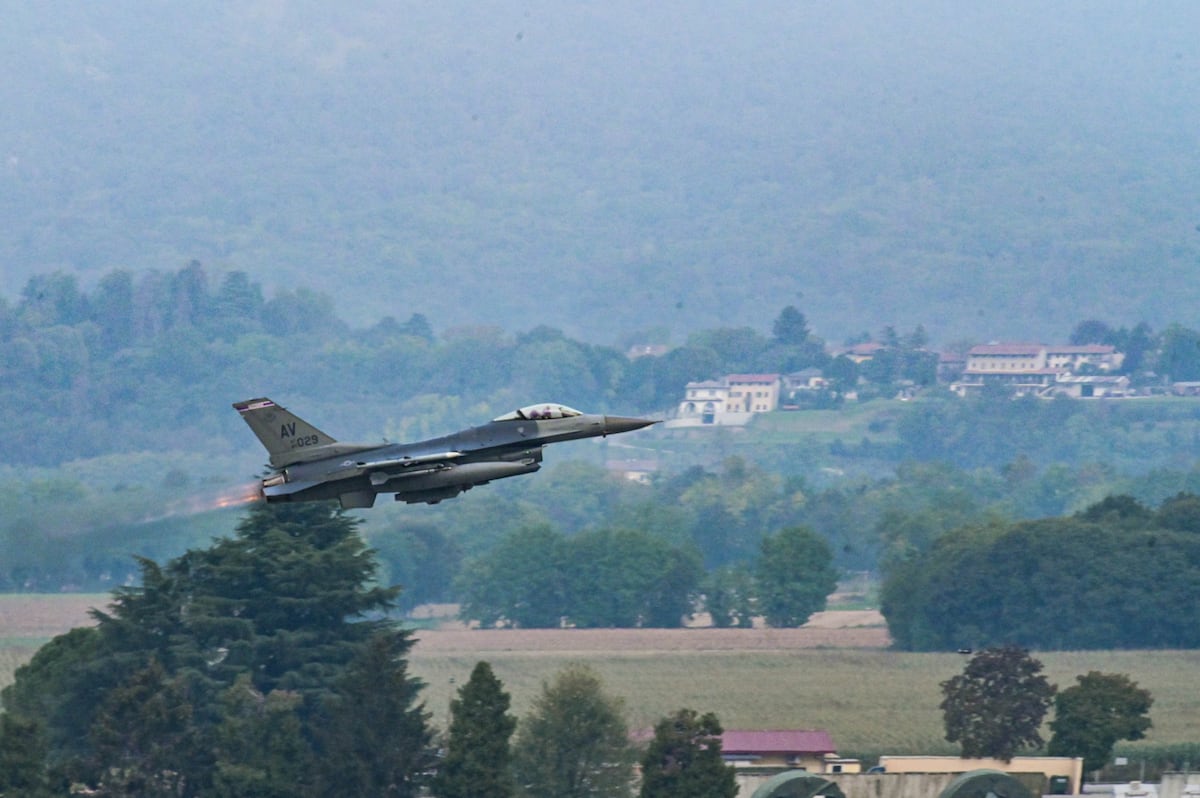
Philippines Faces Funding Challenges in F-16 Acquisition from Lockheed Martin
As the Philippines navigates its defense modernization journey, negotiations with Lockheed Martin for the acquisition of F-16 fighter jets remain uncertain. The discussions are ongoing, but financial constraints continue to obstruct the deal, leaving both parties in a stalemate.
Philippine Ambassador to the U.S., Jose Manuel Romualdez, recently stated that the nation is not dismissing the idea of purchasing F-16s, emphasizing that “imaginative and creative ways” are necessary to finance the acquisition. However, funding issues have put these plans on hold, as resources are directed towards other priorities.
Last November, Defense Secretary Gilberto Teodoro revealed that Lockheed’s proposal, priced at $5.58 billion for 20 F-16 Block 70/72 aircraft equipped with AN/APG-83 AESA radars, exceeded the approved budget, necessitating a review. Teodoro remarked, “It was beyond the approved budget ceiling, so they have to resubmit [some documents]. Anything is under consideration. What is not in consideration right now—which should be considered—is the funding.”
The Philippines is in the process of updating its air fleet after decommissioning 10 Northrop F-5 A/B Freedom Fighters in 2005. To address operational gaps, the government purchased 12 FA-50 combat jets in 2015, with plans for an additional fleet. These FA-50s serve as trainer jets for pilots transitioning to more advanced aircraft.
Under the current modernization program, the defense department aims to procure approximately 40 multirole fighter jets, but financial limitations pose significant hurdles. Out of 188 projects in the three-phase Horizon military modernization initiative, only 59 have been completed due to restricted funding.
In 2025, a proposed defense budget of 50 billion pesos ($863 million) was reduced by Congress to 35 billion pesos, affecting six projects. Although the overall defense budget increased by 12.3% to 310 billion pesos ($5.35 billion) this year, funds for modernization remained stagnant at 40 billion pesos ($691 million).
During last year’s budget discussions, Teodoro expressed frustration, stating, “Let’s stop kidding around. If we only get 40 billion pesos every year, let’s just do project-based programs and opt for loans with longer financing terms.” Congress has allocated “unprogrammed” funds that could potentially reach 50 billion pesos, but financial experts caution that these allocations are too uncertain for reliable planning.
Besides the F-16s, the Philippines is also considering other aircraft options, including Saab’s JAS Gripen E/F, Leonardo’s Eurofighter Typhoons, and Korea Aerospace Industry’s new KF-21 Boramae. Teodoro’s stance on selecting a warplane was clear: “Give me the funds today, I’ll make the decision.”