Senate Pushes for Amendments Amid Safety Concerns in Defense Bill
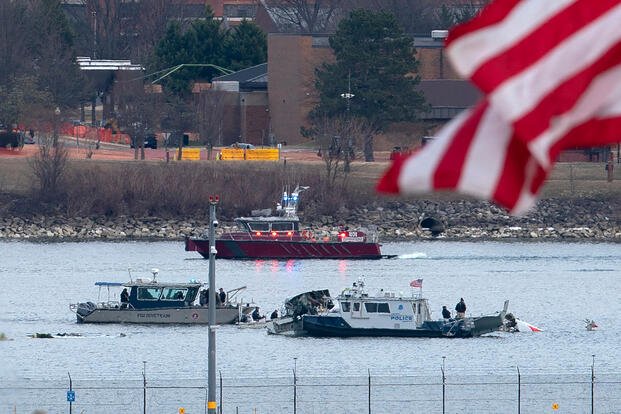
In a significant development on Capitol Hill, senators are advocating for modifications to a substantial defense bill following warnings from crash investigators and victims’ relatives. The legislation, as it stands, could potentially roll back crucial safety reforms instituted in response to a tragic midair collision over Washington, D.C., that claimed 67 lives.
The National Transportation Safety Board (NTSB), victims’ families, and members of the Senate Commerce Committee have raised alarms that the proposed bill could compromise air safety in the United States. They argue that it would enable military operations to continue similarly to how they were conducted before the devastating January crash, the deadliest incident of its kind in over two decades.
Democratic Senator Maria Cantwell and Republican Committee Chairman Senator Ted Cruz have introduced two amendments aimed at removing contentious helicopter safety provisions. These amendments draw from a bill they proposed last summer to bolster safety requirements. However, there is uncertainty about whether Republican leadership will permit changes to the National Defense Authorization Act at this juncture, as it might delay its passage.
“We owe it to the families to put into law actual safety improvements, not give the Department of Defense bigger loopholes to exploit,” the senators emphasized.
The current bill includes provisions that would permit military helicopters to navigate the heavily trafficked airspace around the nation’s capital without employing the ADS-B system to broadcast their locations. The Federal Aviation Administration began mandating this system in March. NTSB Chairwoman Jennifer Homendy has criticized the bill as a “significant safety setback,” warning that it could result in a repeat of the previous disaster.
“It represents an unacceptable risk to the flying public, to commercial and military aircraft, crews and to the residents in the region,” Homendy stated. “It’s also an unthinkable dismissal of our investigation and of 67 families … who lost loved ones in a tragedy that was entirely preventable. This is shameful.”
Senate Majority Leader John Thune has acknowledged the concerns and suggested that the issues could be addressed by quickly passing the aviation safety bill proposed by Cruz and Cantwell last summer. “I think that would resolve the concerns that people have about that provision, and hoping — we’ll see if we can find a pathway forward to get that bill done,” Thune remarked.
The military previously utilized national security waivers to bypass FAA safety requirements, citing concerns about security risks associated with disclosing helicopter locations. Tim and Sheri Lilley, whose son was the first officer on the ill-fated American Airlines flight, criticized the current bill as merely a “window dressing fix” that allows for the continued bypass of requirements with only a superficial risk assessment.
Homendy contended that entrusting the military with safety risk assessments is inappropriate since they lack the expertise, as evidenced by the 85 near misses around Ronald Reagan National Airport prior to the crash. She emphasized that no one involved in drafting the bill consulted with NTSB experts.
The White House and military have yet to respond to inquiries regarding these safety concerns. Earlier this week, former President Trump expressed his intent to sign the National Defense Authorization Act, highlighting its alignment with his priorities and the 3.8% pay raise it offers many military personnel.
The Senate is poised to review the bill next week, although significant alterations seem improbable. With Congress set to adjourn for the holiday break, the passage of the defense bill remains a priority before the year’s end.